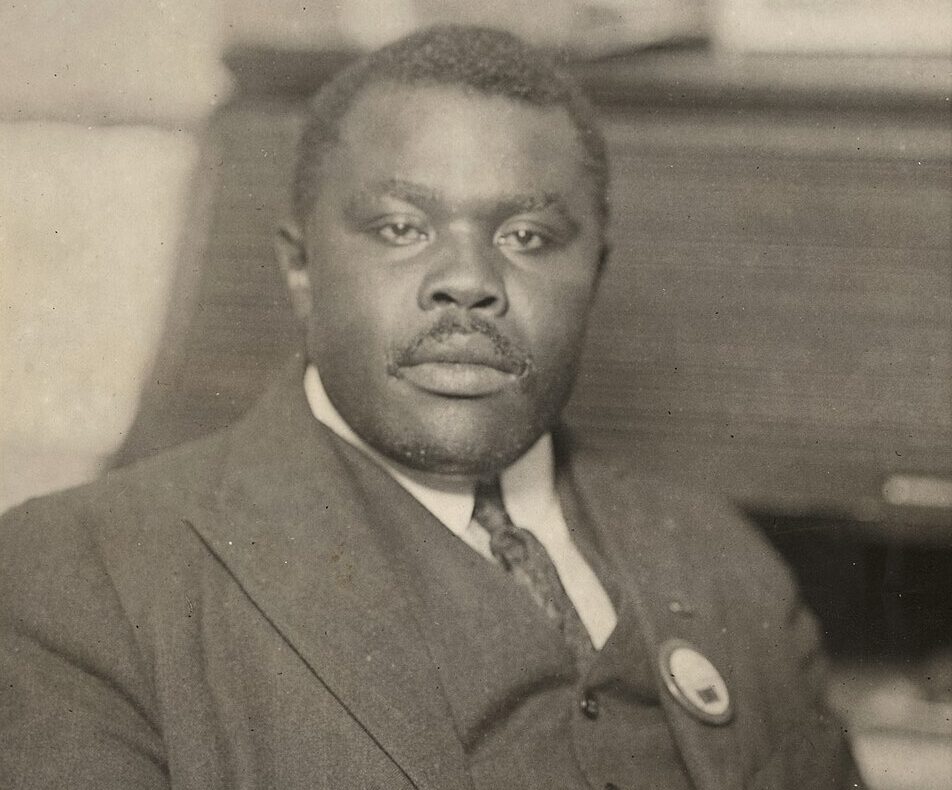
As the world marks the 136th anniversary of the birth of Marcus Mosiah Garvey, Jamaica’s iconic national hero and foundational Pan-Africanist leader, commentator and educator Wayne Campbell is sounding a urgent alarm: modern Jamaican society has drifted dangerously far from the core values Garvey spent his life advancing, and systemic erasure of his philosophy from national education is at the heart of the country’s growing social crisis.
Garvey once famously observed, “A people without the knowledge of their past history, origin and culture is like a tree without roots.” Today, that metaphor has become a painful reality for Jamaica, Campbell argues. While the 2026 Jamaica boasts measurable progress in infrastructure such as expanded road networks and widespread digital connectivity, the nation has suffered deep social decay: rising selfish individualism, collapsing tolerance for others, eroding respect, and a fading sense of collective community that once bound the country together.
Born in Jamaica’s St. Ann parish on August 17, 1887, Garvey left formal schooling at 14 due to family poverty and entered the printing and newspaper trade, where he first developed his passion for political organizing focused on uplifting marginalized working-class Black communities. Frustrated by limited progress in local organizing, he traveled to London in 1912 for two years of study and reflection, where he refined his core ideology: Garvey argued that racial equality would never be gifted through integration; rather, it could only be earned through collective economic, political, and cultural success for people of African descent worldwide.
In 1917, he established the Universal Negro Improvement Association (UNIA) headquarters in New York to spread his vision of Black nationalism, centered on three pillars: global unity for people of African descent, pride in African cultural heritage, and full collective autonomy. Later, in 1929, he founded Jamaica’s first modern political party, the People’s Political Party (PPP). Though the party never won national power, it secured a seat on the Kingston and St. Andrew Corporation, cementing Garvey’s legacy as a trailblazer for Jamaican political organizing. He was also a pioneer of radical racial pride, coining the mantra “black is beautiful” nearly 50 years before it entered mainstream global discourse in the 1960s. He urged Black people to reject white supremacist narratives of inferiority, telling followers, “I am the equal of any white man; I want you to feel the same way.”
Tragically, Campbell argues, most of modern Jamaican society has failed to live up to Garvey’s vision. Deep-seated colorism remains pervasive: many Black Jamaicans still internalize the white supremacist belief that lighter skin is superior, leading to unapologetic skin bleaching even among school-aged children. Black hair is still policed in Jamaican schools, where students who wear afros as an act of self-representation face disciplinary action. Mothers still straighten their daughters’ hair to align with white beauty standards, a far cry from Garvey’s call for Black people to celebrate their natural appearance and heritage.
This erasure of Garvey’s ideology is no accident, Campbell contends. Garveyism is not taught in Jamaican schools, and civics education as a whole has been eliminated from the national curriculum entirely. This deliberate gap leaves young Jamaicans without historical context for the socio-cultural challenges they face today, a pattern that extends beyond Jamaica to the wider Caribbean and the Americas. Most recently, this trend has escalated in Florida, where Republican Governor Ron DeSantis has overseen a ban on African American studies in high schools, part of a broader global push to erase Black intellectual and activist history from public education.
This year’s 136th anniversary celebrations of Garvey’s birth have been underwhelming and limited almost exclusively to academic circles, a situation Campbell calls unacceptable. Most ordinary Jamaicans have to actively seek out information about Garvey’s life and work, as his legacy is intentionally locked away in obscure academic texts, while low reading rates across the country compound the problem of access.
Campbell argues that Jamaica stands at a critical crossroads. Rampant crime and violence, including a string of brutal attacks against children in recent months, has created a national emergency that demands a complete reset of the country’s socialization values. As the primary institution for shaping collective values, the national education system is the ideal place to start this reset. Campbell is calling for urgent policy action from the Jamaican government: integrate Garveyism into the National Standards Curriculum, make history education compulsory at all grade levels, and establish grassroots initiatives to bring Garvey’s legacy to students.
His concrete proposals include establishing Garvey clubs in schools where students can explore his teachings through interactive activities; distributing low-cost pamphlets outlining Garvey’s core values through government offices for widespread public access; hosting a national Marcus Garvey quiz for primary and lower secondary students; and creating a dedicated national Marcus Garvey Day in schools that centers social and cultural activities celebrating his legacy.
“if we as a people realized the greatness from which we came we would be less likely to disrespect ourselves,” Garvey once said. Campbell echoes this call, urging all Jamaicans to play a role in preserving Garvey’s legacy not just for the current generation, but for all future generations to come.