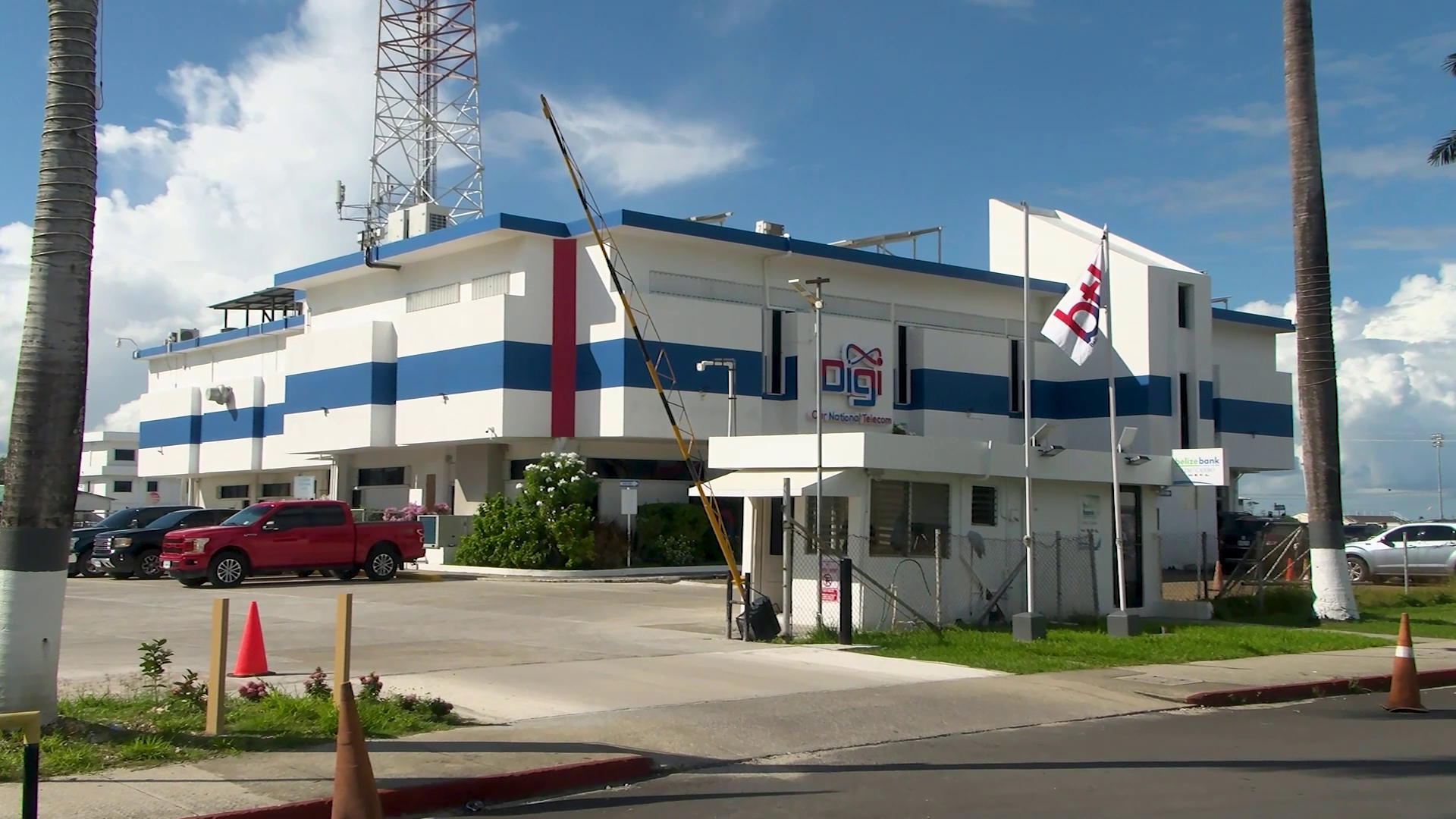
On August 14, 2026, one day after Belize’s Cabinet announced its formal rejection of Belize Telemedia Limited’s (BTL) planned acquisition of competitor Speednet, local outlet News Five took the conversation out of government boardrooms and union meeting halls to the streets of Belize City, asking everyday mobile and internet users what they think of the high-stakes telecom decision.
For months, the proposed merger has divided industry stakeholders, political actors and labor groups across Belize. Unions have already celebrated the Cabinet’s call and are now urging BTL’s board of directors to fully rescind its earlier approval of the deal. In his official statement released a day prior, Prime Minister John Briceño explained the government’s reasoning, noting that while the transaction might check out from a pure business perspective, the Cabinet concluded moving forward would only lead to prolonged unconstructive conflict with opposing groups. “It makes the most sense to advise BTL against proceeding with this merger,” Briceño said.
The core concern raised by opponents of the buyout, including most of the residents News Five spoke to, centers on market competition and consumer choice. The majority of Belizeans who shared their views on the street aligned with the government’s decision, emphasizing that open competition between telecom providers is the only way to keep service quality high and prices accessible for customers.
One long-time Belize City resident argued that blocking the acquisition was the right outcome because consumers deserve the freedom to pick their preferred provider rather than being forced onto a single network. “You shouldn’t have one option forced on you,” he said, reinforcing his stance that maintaining consumer choice is non-negotiable.
A second mobile customer told reporters he currently uses SIM cards from both of Belize’s major providers, SMART (owned by Speednet) and Digicell, and values having multiple options. Even so, he noted he would adapt to the change if the acquisition were eventually approved, saying he would follow the government’s final decision regardless.
For one Belize City resident who relies exclusively on SMART for his telecom service, the prospect of losing Speednet as an independent provider is deeply concerning. When asked how he would feel if SMART ceased to exist as a standalone brand after a buyout, he replied simply, “Bad,” and urged the government to hold firm on its rejection.
A female consumer echoed this sentiment, saying she also uses SMART regularly at home, and praised the government for listening to public feedback when making its decision. “The government made the right call because it went with what the people wanted,” she said.
Another resident shared that while he is relieved the acquisition has been halted for the time being, he remains worried that the deal could be revived later. He stressed that maintaining competitive pressure in the telecom sector is critical to preventing a monopoly that would leave consumers with no leverage, saying “We need competition between these companies so we don’t end up with a take-it-or-leave-it situation.”
A small number of respondents told News Five they had not heard about the proposed acquisition at all before the interview, but also expressed relief after learning the government had blocked the merger. This on-the-ground report from Belize City was compiled by Britney Gordon for News Five.