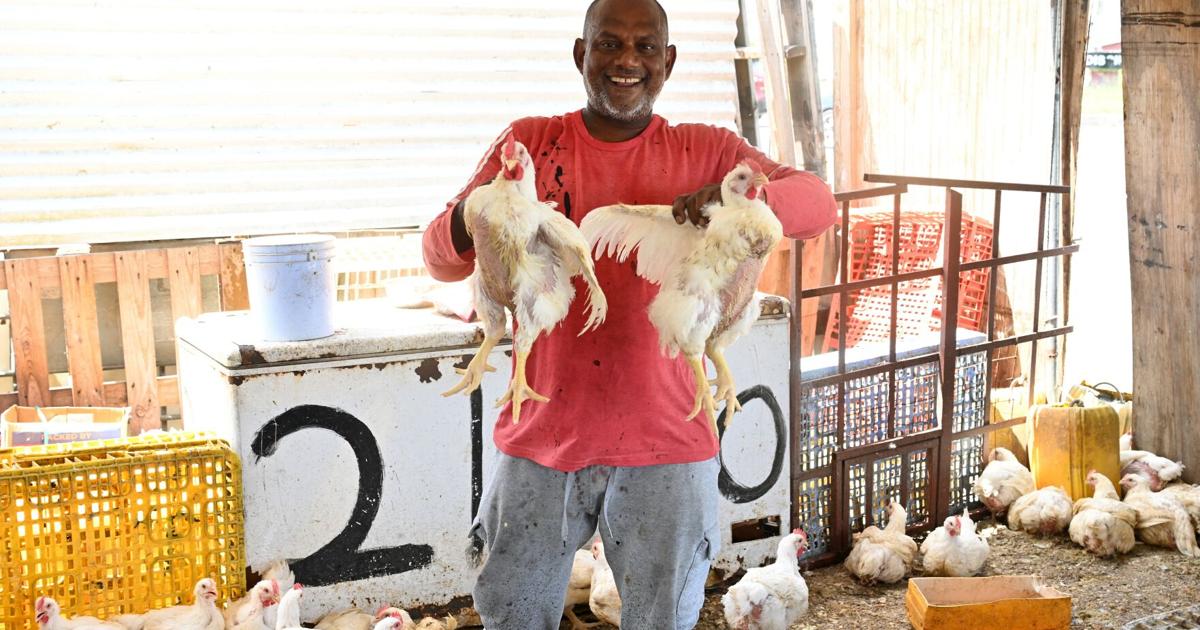
Consumers across Trinidad and Tobago are currently grappling with widespread chicken shortages and sharp price increases, driven by a combination of unusual extreme weather patterns that have disrupted the nation’s poultry supply chain. The Ministry of Agriculture and Fisheries released an official statement addressing the crisis this week, clarifying that the shortfall is a temporary, weather-driven disruption rather than a sign of long-term structural issues with domestic production capacity.
Local climatic conditions have put unprecedented strain on poultry farmers across the twin islands. Persistent record-high temperatures have forced producers to implement costly additional heat mitigation strategies, and in many cases, reduce the total number of birds raised on farms to protect animal welfare. According to the ministry’s statement, cutting stock numbers is a deliberate precaution: running farms at full capacity during extreme heat would lead to higher bird mortality rates and stunted growth, resulting in far greater long-term losses for producers and deeper shortages for consumers.
Officials note that while chicken remains available across the country in aggregate, many consumers are facing difficulty finding their usual quantities at local retail outlets. The Ministry is currently monitoring every link of the poultry supply chain, from hatchery output to domestic production, import volumes and changing weather conditions, while maintaining ongoing dialogue with producers and industry stakeholders to address emerging challenges quickly.
Looking ahead, official projections point to a gradual recovery of supply over the coming weeks. Based on data from local hatcheries, the number of newly hatched chicks available to farmers is set to rise within the next two weeks. Once these new birds complete the standard production cycle, full supply levels are expected to be restored approximately three weeks after that increase in chick availability, bringing the market back to normal as weather conditions improve.
“Poultry is a core component of national food security and a staple for household consumption across the country,” the Ministry said in its release. “We remain committed to supporting the local poultry sector while ensuring consumers have access to a stable, reliable supply of this essential product.”
Industry stakeholders and suppliers have confirmed the severity of the current shortages, reporting significant cuts to distribution quotas and steep price increases that have been passed on to consumers. One unnamed San Juan-based depot owner said that little has changed to ease the crisis since the *Express* first reported on emerging poultry supply issues in late June. “We are getting 50% less chicken than we usually get, and prices have gone up 15%,” he explained, adding that birds currently available are also smaller than the standard size consumers expect.
Since the start of 2024, average retail chicken prices have jumped from roughly $6 per pound to more than $9 per pound, a more than 50% increase that has put significant strain on household grocery budgets. A depot owner in Chaguanas also confirmed ongoing supply pressures, warning that if the disruption continues, many locations could run out of chicken entirely. She added that small independent chicken producers are facing particular strain, with even larger industry players like Arawak now facing disruptions that have created shortages of hatching eggs. She noted that fewer small farms are hatching their own chicks currently, forcing many to purchase day-old chicks from external suppliers instead.
Sudesh Ramkissoon, President of the Broiler Growers Association, confirmed that heat-driven stock reductions are a common precaution during hot periods, but this year’s extreme temperatures have created deeper disruptions than usual. “Chickens do not have sweat glands, so farmers have to reduce the density of birds in pens to keep them cool,” he explained. “This means the total weight of market-ready chicken available will be lower than usual for consumers, but this is not a permanent situation.” Ramkissoon added that some farmers are also facing water access issues, which have compounded existing supply constraints.
The shortage is not limited to retail outlets: local food businesses are also adapting to the new supply conditions. Pappy’s, a popular fried chicken restaurant based in Woodbrook known for its signature “Brian’s Fricken Chicken”, announced publicly this week that it would compensate customers for smaller-than-standard chicken portions during the shortage. In a post on social media, the restaurant explained: “Due to the current chicken supply shortage, our usual chicken sizes may be limited over the coming weeks. Don’t worry—if your pieces are smaller than our usual Pappy’s standard, we’ll add extra to make up for it. Thank you for your patience and understanding while we work through the shortage.”
This current shortage follows initial warnings issued by Ramkissoon back in June, when he first alerted consumers that reduced supply would lead to higher prices. At that time, prices had already risen to between $8 and $9.50 per pound, and checks conducted by the *Express* this week confirm that elevated prices remain in place across all retail and wholesale outlets.