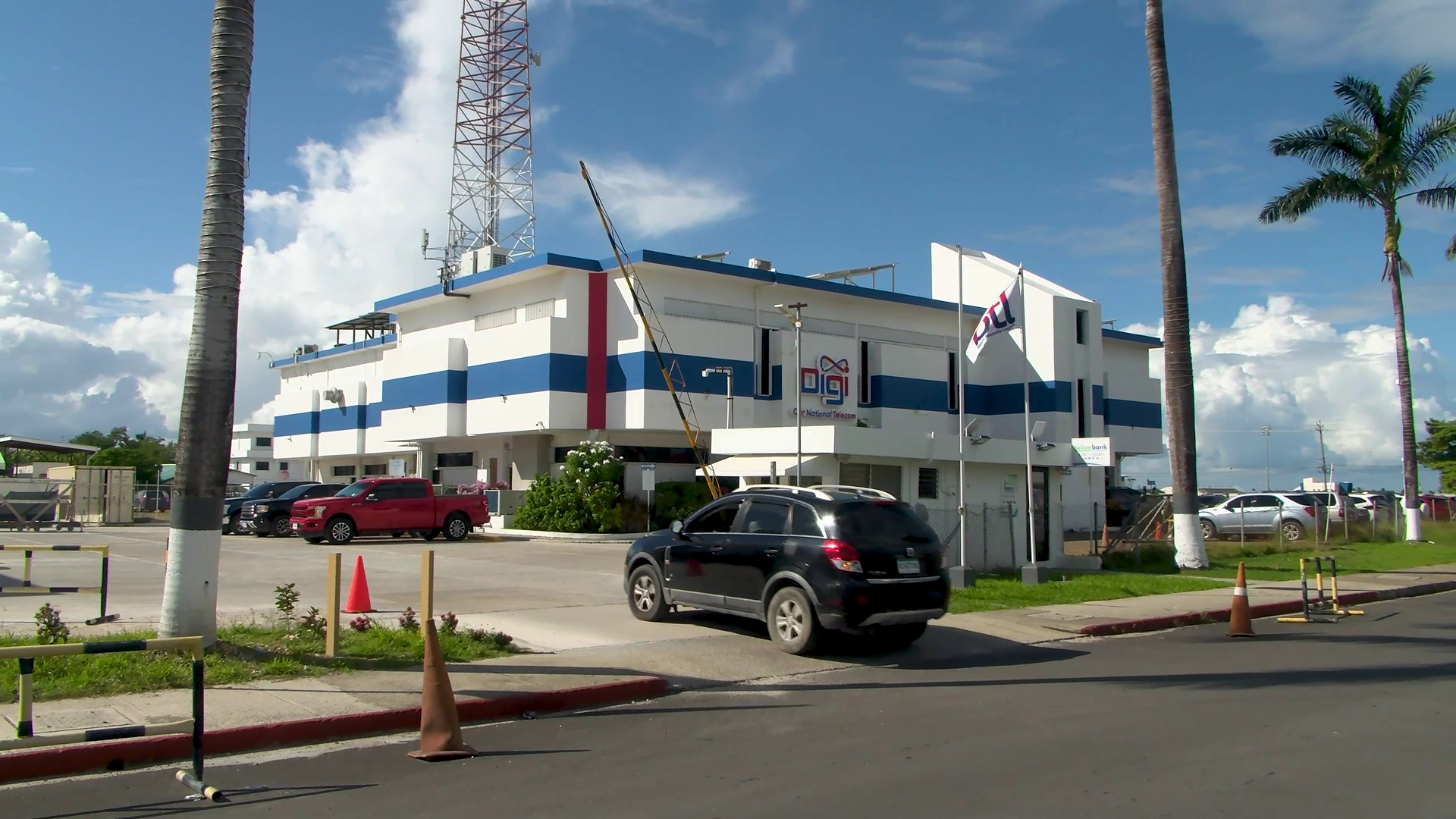
A major debate has erupted in Belize’s telecommunications sector over Belize Telemedia Limited’s (BTL) proposed $80 million acquisition of rival provider Speednet, with the core question at the center of discussions being whether the regional telecom can actually afford the eight-figure deal.
BTL’s leadership is standing firm behind the financial viability of the transaction, saying the acquisition’s numbers add up to a solid strategic investment for the company. In an interview with local reporters, BTL Chairman Markhelm Lizarraga laid out the company’s financial roadmap for the deal, confirming that the negotiated purchase price currently stands at $80 million, pending the results of final due diligence to close the transaction.
According to Lizarraga, BTL projects it will fully pay off the cost of the acquisition in approximately 4.2 years. The repayment structure calls for interest-only payments during the first two years, followed by principal payments carrying a 4.5 percent interest rate for the remaining term. Lizarraga emphasized that this repayment timeline has not been pulled from thin air: three independent third-party bodies have conducted their own analyses and substantiated BTL’s financial projections.
The key to making the deal work, Lizarraga explained, lies in cutting redundant operational costs across the two merged companies. By eliminating duplicated expenses, BTL expects to redirect those savings toward increased cash flow that will cover the acquisition costs. He added that the company also plans to leverage unused excess capacity already existing in BTL’s current network infrastructure to generate additional revenue without major new capital investments.
When pressed about what would happen if BTL fails to meet its repayment obligations, Lizarraga dismissed the scenario as extremely unlikely. He noted that both BTL’s board of directors and executive management team hold formal fiduciary responsibilities to act in the company’s best financial interest, and the leadership would never move forward with a transaction that carried any meaningful risk of default.
“We would not be doing it if we thought that there was the slightest chance that through efficiencies in the market place we would not be able to pay it back,” Lizarraga told reporters. “The board has a fiduciary responsibility to the company. The management has a fiduciary responsibility to the company, we take that seriously.”
This report is based on a transcribed transcript of a local evening television news broadcast from Belize District, originally published on August 12, 2026.