Earlier this week, the Caribbean island nation of Dominica joined Indigenous communities across the globe to observe the United Nations International Day of the World’s Indigenous Peoples, marked annually on August 9. First formally adopted by the UN in 1994, the observance commemorates the inaugural 1982 meeting of the UN Working Group on Indigenous Populations, convened in Geneva under the former Sub-Commission on the Promotion and Protection of Human Rights.
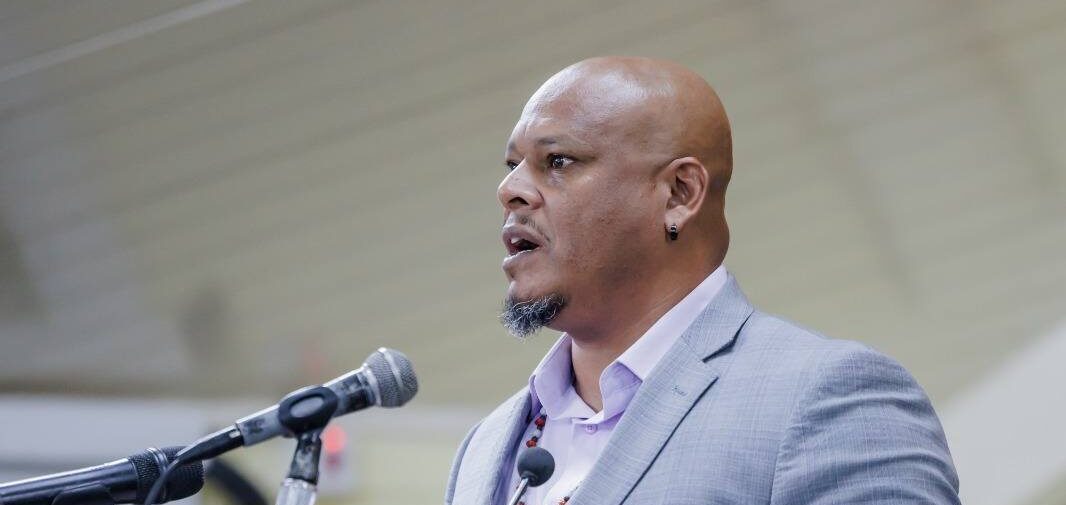
For Dominica, this annual commemoration carries unique national meaning: the Kalinago people, the island’s largest Indigenous group with approximately 3,000 members concentrated along Dominica’s eastern coast, remain a vibrant, living community whose identity continues to shape the nation’s present and future trajectory. In his official address marking the occasion, Cozier Frederick, Dominica’s Minister for Kalinago Upliftment, centered the 2025 UN theme *“Honouring Indigenous Midwives: Safeguarding Life and Well-being”* to celebrate the intergenerational legacy of Indigenous women who have sustained Kalinago culture and community through their work.
Frederick emphasized that Kalinago midwifery has never been limited to clinical healthcare. For generations, these women have blended ancient traditional knowledge with evolving modern medical practices, serving mothers in private homes, community health clinics, and hospital settings alike. Their work, he argued, underpins cultural continuity, community cohesion, and collective survival, bridging generations by welcoming new Kalinago people into the world and passing down ancestral identity alongside care.
In a moving portion of his address, Frederick publicly named six distinguished Kalinago midwives whose decades of service have shaped the community: Bernadette John Frederick, Bernadette Sanderson, Doreen Ettienne, Sylvie Paris-Warrington, Winnie Joseph, and Porshia Burton. The tribute carried deep personal meaning for the minister: Bernadette John Frederick, the first name on the list, is his grandmother, and the midwife who delivered him into the world. “That is a debt no public office can ever repay,” Frederick noted, tying his own life story directly to the legacy he honored.
Beyond remembrance, Frederick stressed that symbolic celebration of Indigenous heritage must be paired with concrete action to advance Indigenous rights, protect cultural diversity, and safeguard traditional knowledge. He outlined the Ministry of Kalinago Upliftment’s ongoing core commitments: preserving the Kalinago language and cultural traditions, expanding inclusive economic opportunities for the community, building local climate resilience, and empowering younger generations of Kalinago to lead their community’s future.
A core argument of Frederick’s address pushed back against common framing of Indigenous knowledge as a relic of the past. He noted that ancestral ecological and communal wisdom offers critical, underutilized insights for addressing modern global challenges, most notably climate change, and building more equitable, sustainable futures for all communities. “When an Indigenous language disappears, humanity loses a language. When traditional knowledge disappears, humanity loses knowledge,” he said, emphasizing that protecting Indigenous heritage is not a parochial concern for individual communities—it is a global responsibility that benefits all of humanity.
Global UN data underscores the widespread impact of Indigenous cultures: Indigenous peoples make up roughly 5% of the global population (around 476 million people), represent more than 5,000 distinct cultures, and speak the majority of the world’s 7,000 existing languages. Closing his address, Frederick called on Kalinago community members and Indigenous peoples worldwide to continue stewarding their heritage, strengthening their communities, and carrying their stories forward for future generations, affirming: “We are still here. And we will continue to be here. We will continue to remember. We will continue to protect. We will continue to build. And we will continue to tell our stories.”