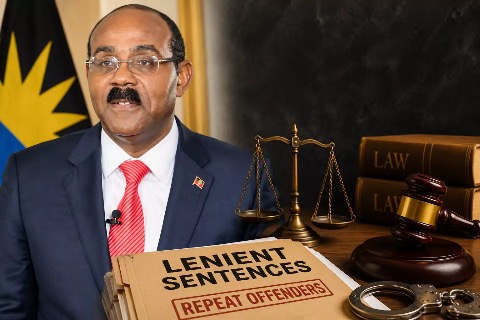
The prime minister of Antigua and Barbuda, Gaston Browne, has reignited a long-running debate over the separation of powers between the executive and judicial branches of government, after announcing that his administration is considering action against justices who have overseen lenient sentencing for serious gun-related offenses.
Years ago, Browne confirmed, parliament approved legislation that raised the maximum prison sentence for gun crimes to 15 years, a change driven by growing public concern over rampant gun violence in the country. At the time of the reform, members of the national judiciary advised the government against enacting mandatory minimum sentencing for these offenses. They argued that binding minimum sentences would unnecessarily limit judicial discretion, amounting to an overreach into the independent authority of the judicial branch.
But despite the government’s compromise on that point, Browne says the current arrangement has led to a troubling outcome: a significant portion of the judiciary is misusing the discretionary power granted to them. Specifically, justices have been handing down unusually light sentences to repeat violent offenders and individuals convicted of particularly heinous violent crimes connected to illegal firearms.
The prime minister warned that this pattern of lenient sentencing has created a tangible public safety crisis across the nation. To date, he estimates, roughly 250 convicted repeat offenders have been released early after serving short sentences, placing an unprecedented strain on local law enforcement agencies that are forced to continually re-arrest and re-process the same offenders. More importantly, Browne emphasized, these early releases put the broader public at constant risk of additional violent gun crime.
Under the nation’s constitutional framework, Browne noted, the executive branch holds the legal authority to request the removal of underperforming or non-compliant judicial officials from active judicial jurisdiction. He went on to raise a second, more extreme option for non-citizen justices who refuse to step back from the bench after a formal request: if the judiciary fails to act to remove these lenient-sentencing justices, should the executive exercise its power to deport them from the country entirely? Browne framed the step as a measure justified by national security interests, arguing that the government has a core duty to protect citizens from the threat of violent crime enabled by irresponsible sentencing.
Rather than moving forward unilaterally, the prime minister announced he is actively seeking input and guidance from the general public on how the government should proceed, opening a rare public consultation on a sensitive constitutional issue.