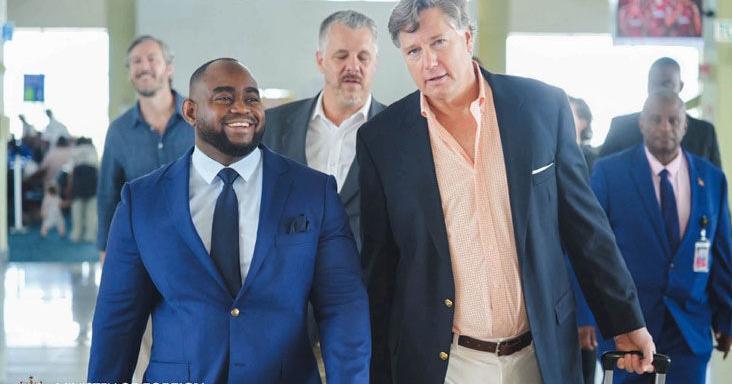
The second-highest ranking diplomat at the U.S. Department of State, Deputy Secretary Christopher Landau, touched down in Trinidad and Tobago on Wednesday for an official working visit centered on deepening long-standing bilateral ties between the two nations. High on his meeting agenda are key collaborative areas: cross-border energy strategy, joint security initiatives, and expanded economic partnership.
Upon his arrival at the port of entry, Landau was formally welcomed by Sean Sobers, Trinidad and Tobago’s Minister of Foreign and Caricom Affairs, alongside Philip Kern, the U.S. Chargé d’Affaires based in the country. Over the course of his two-day stop, Landau is scheduled to hold high-level talks with Prime Minister Kamla Persad-Bissessar. The two leaders are set to align on mutual energy and security objectives, as well as map out new pathways to grow mutually beneficial economic cooperation between Washington and Port of Spain.
On the second day of his stay, Landau will also take part in a formal ribbon-cutting inauguration for Ibis Steel Company T&T Ltd, marking the opening of the new regional industrial operation.
According to official statements from the U.S. State Department, Landau’s stop in Trinidad and Tobago is just one segment of a broader multi-country regional tour that will run through August 12. Following his engagements in the twin-island nation, the deputy secretary will travel onward to Guyana for the next leg of the trip.
In Guyana, Landau is set to hold official meetings with President Irfaan Ali and senior members of the Guyanese cabinet. The discussions there will center on broadening bilateral economic collaboration, unlocking new cross-border investment opportunities, and ramping up joint work in high-priority strategic sectors, including energy development and critical mineral supply chains.
The State Department emphasized in its release that the regional tour underscores the Biden administration’s sustained commitment to strengthening diplomatic and economic partnerships across the Western Hemisphere. The trip is structured to advance shared priorities for all participating nations, from bolstering regional security frameworks and strengthening global energy resilience to driving inclusive economic prosperity across the Caribbean and South American region.