Authored by Indra Toelsie and published on August 10, this op-ed draws a urgent, interconnected picture of the overlapping crises reshaping life across the globe today, rooted deeply in human action.
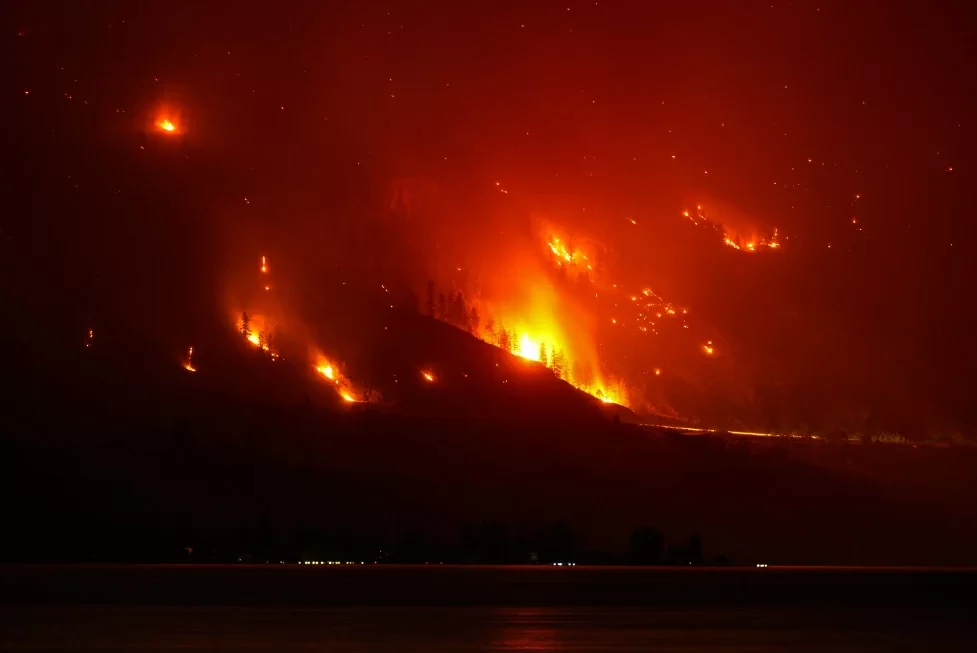
First, Toelsie lays bare the unignorable, devastating impacts of a warming planet. Earth’s rising average temperatures have unlocked a cascade of extreme weather events that grow more destructive with each passing year. Record-breaking wildfires have scorched millions of hectares of land across continents, from the vast, ecosystem-razing blazes that swept Australia to the massive fires that have threatened populated areas in Siberia and California, upending thousands of lives. Southern Europe has faced the same deadly combination of extreme heat and out-of-control wildfires in recent years. Beyond wildfires, prolonged drought across large swathes of Africa and the Middle East has wiped out harvests and drained critical water reserves, forcing communities into food insecurity. In stark contrast, other regions including South Asia have faced catastrophic flooding and deadly landslides driven by unprecedented rainfall, leaving thousands homeless in recent events. The intensity of tropical cyclones and hurricanes continues to climb, bringing irreversible destruction to low-lying coastal communities worldwide. Even geophysical hazards are growing more frequent: earthquakes and volcanic eruptions have increased in intensity, adding new layers of risk and uncertainty for populations across the globe.
A particularly devastating trend is that these disasters now strike in increasingly rapid succession, leaving local communities no time to recover and rebuild between catastrophic events. Toelsie emphasizes that most of these climate shifts are not random natural occurrences: they are driven directly by human activity. A throwaway consumer culture, relentless reliance on fossil fuels, widespread deforestation, and unregulated pollution have all upset the natural balance of Earth’s ecosystems. Over time, societies have grown desensitized to the steep price that both the planet and vulnerable communities pay for this unsustainable trajectory.
But the crisis extends beyond the climate, Toelsie argues, intersecting sharply with social and political instability that compounds human suffering. Wars and geopolitical conflicts have created unfathomable hardship for millions, and their ripple effects grow more severe by the day. Toelsie highlights the case of Cuba, where the population already struggles under an authoritarian regime, and now faces crippling international sanctions imposed by foreign powers. These restrictions block critical imports of fuel and food, turning daily survival into a grueling battle. Millions of Cuban residents regularly go without electricity for up to 22 hours a day, with little hope of near-term improvement. This situation has spawned not just widespread physical hardship, but a deepening social and economic crisis that further destabilizes the island nation.
This pattern of human-caused suffering repeats across the globe. In long-running conflict zones such as Syria and Yemen, millions of people have been displaced from their homes, trapped in extreme poverty, and exposed to deadly disease outbreaks amplified by squalid living conditions. Preventable infectious diseases including cholera and measles spread rapidly in these regions, fueled by widespread shortages of clean water, nutritious food, and basic medical care.
Toelsie stresses that none of these overlapping disasters and conflicts are inevitable. They are collective wake-up calls demanding that global communities take responsibility and pursue a fundamental shift in how we treat both our planet and one another. Because human action created these crises, human collective action has the power to fix them.
The piece closes with a pressing question for readers: Will the global public continue to stand by and look away from growing suffering? Or will we break through our collective indifference and work together to build a livable future for all people, regardless of where they live? Meaningful change begins close to home, in our own communities and nations, and it is our responsibility to act for the planet, for humanity, and for generations yet to come.