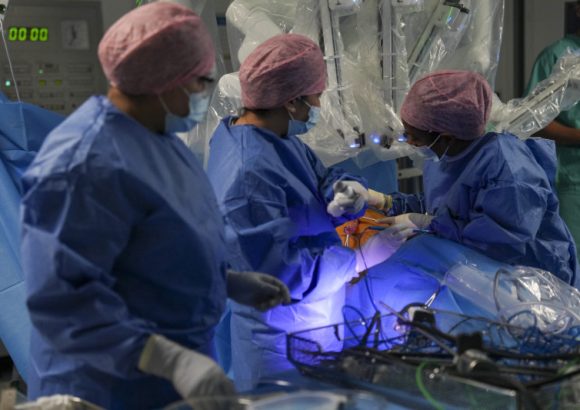
For many patients facing an upcoming surgical procedure, the long list of pre-operative instructions often feels like unnecessary red tape, with little understanding of why each rule exists. To demystify these critical protocols, Dominican newspaper Listín Diario interviewed experienced surgeon José Barriento, who walked through the reasoning behind every precaution and why skipping even one step can put patients in serious danger.
Dr. Barriento stresses that patient understanding of pre-surgery rules is the foundation of a successful procedure. When patients follow guidelines correctly, they enter the operating room in the best possible physiological condition, cutting the risk of life-threatening complications during and after the operation.
Pre-operative evaluations are not just routine box-ticking, the surgeon explains. Care teams first conduct a full cardiovascular assessment to confirm a patient’s vascular system is strong enough to tolerate the physical stress of surgery. Providers also test lung function and evaluate liver health, since all patients will be exposed to anesthetic gases and medications during the procedure. These screenings catch underlying issues early that could raise risk levels if left unaddressed.
It is also completely normal for patients to experience anxiety or fear in the lead-up to surgery, Dr. Barriento notes. Entering an operating room, an unfamiliar and high-stakes environment, naturally triggers these feelings. To manage this anxiety, he encourages patients to remember that surgery is a targeted solution to an existing health problem, and thorough pre-operative preparation — including multi-specialist evaluations, full medical history reviews, and prehabilitation — is designed to set the procedure and recovery up for success.
One of the most non-negotiable pre-surgical requirements is fasting, though modern guidelines have updated the old 8-hour rule. Dr. Barriento explains that current standards call for 2 to 4 hours of fasting from solid foods, with the exact timeline adjusted to the type of procedure being performed. The core risk of eating too close to surgery is aspiration: when patients are under general anesthesia with a breathing tube in place, a full stomach raises the chance of gastroesophageal reflux, which can push food particles into the airways and lungs. This complication can lead to dangerous aspiration pneumonia, or even death in the most severe cases. Clear liquids move through the digestive system far faster than solids, the surgeon adds, so a small sip of water just 1 to 2 hours before surgery rarely causes issues.
For patients with chronic conditions like hypertension that require daily medication, Dr. Barriento confirms it is usually safe to take routine doses before entering the operating room. The one non-negotiable rule here is full honesty: patients must disclose all food, drink, and medication they have consumed before surgery, even if they forgot the fasting rule. “It is always better to postpone the procedure by two to four hours than to put the patient at unnecessary risk,” he says. He emphasizes that safe surgery is a shared responsibility: while clinical teams bear part of the burden for preventing complications, patients also play a critical role by following guidelines and being transparent about their habits and health.
Dr. Barriento also addressed the common requirement to pause certain medications in the days before surgery. Anticoagulants such as aspirin, for example, increase the risk of uncontrolled, massive bleeding during a procedure, so patients must stop taking these medications 5 to 7 days before their operation. Tobacco use must also be paused at least four weeks before surgery, he says: smoking impairs post-operative tissue healing, raising the risk of complications by 40% compared to non-smoking patients. Alcohol is also restricted in the pre-operative period, as it causes dehydration and interferes with the liver’s ability to process anesthetic and other surgical medications. Dr. Barriento recommends full abstention from tobacco and alcohol before, during, and after any surgical procedure to support optimal outcomes.
Pre-operative hygiene is another often-overlooked step that makes a big difference in preventing post-surgical infections. Most hospitals require patients to bathe or wash the surgical site with chlorhexidine, a powerful antiseptic that reduces harmful bacteria on the skin before the incision. Patients are also asked to remove all jewelry and accessories, and to remove acrylic nails or nail polish before entering the operating room. This rule exists because pulse oximetry, a key tool for monitoring oxygen levels and heart function during surgery, is clipped to a patient’s finger. Artificial nails and polish block the sensor, leading to inaccurate vital sign readings that can compromise patient safety during the procedure.
In closing, Dr. Barriento reiterates that the most important actions a patient can take are approaching surgery with a positive, open attitude and being fully honest with their care team about every detail of their health, including medical history, medication use, substance use, and recent food or drink intake. No detail is too small to hide, he stresses: providers need full information to keep patients safe. Even when pre-operative tests and protocols feel excessive or tedious, following every instruction cuts complication risk dramatically and improves the chances of a successful procedure and smooth recovery.
Dr. Barriento also added a key warning for patients in the Dominican Republic: amid a growing number of unqualified practitioners offering surgical services, patients must verify that their operating surgeon is properly certified, registered with the Dominican Medical Association, and affiliated with the national College of Surgeons or a relevant legitimate professional collegiate body before agreeing to any procedure.