On August 4, 2026, a unique professional development program is taking 13 educators out of traditional school classrooms and into Belize’s coastal mangrove ecosystems to build climate resilience literacy across the country’s education system.
Hosted at Calabash Caye, the four-day Project Mangrove: Enhancing Resilience to Climate Change in Belize workshop is a collaborative initiative led by Belize WaterWays, Galen University, and the University of Belize’s Environmental Research Institute, with funding and support from the CEK Foundation’s Earth Focus Initiative and the World Wildlife Fund. The program is designed to turn local teachers into frontline environmental ambassadors, equipping them with hands-on experience and curriculum-ready knowledge to share climate and conservation lessons with their students.
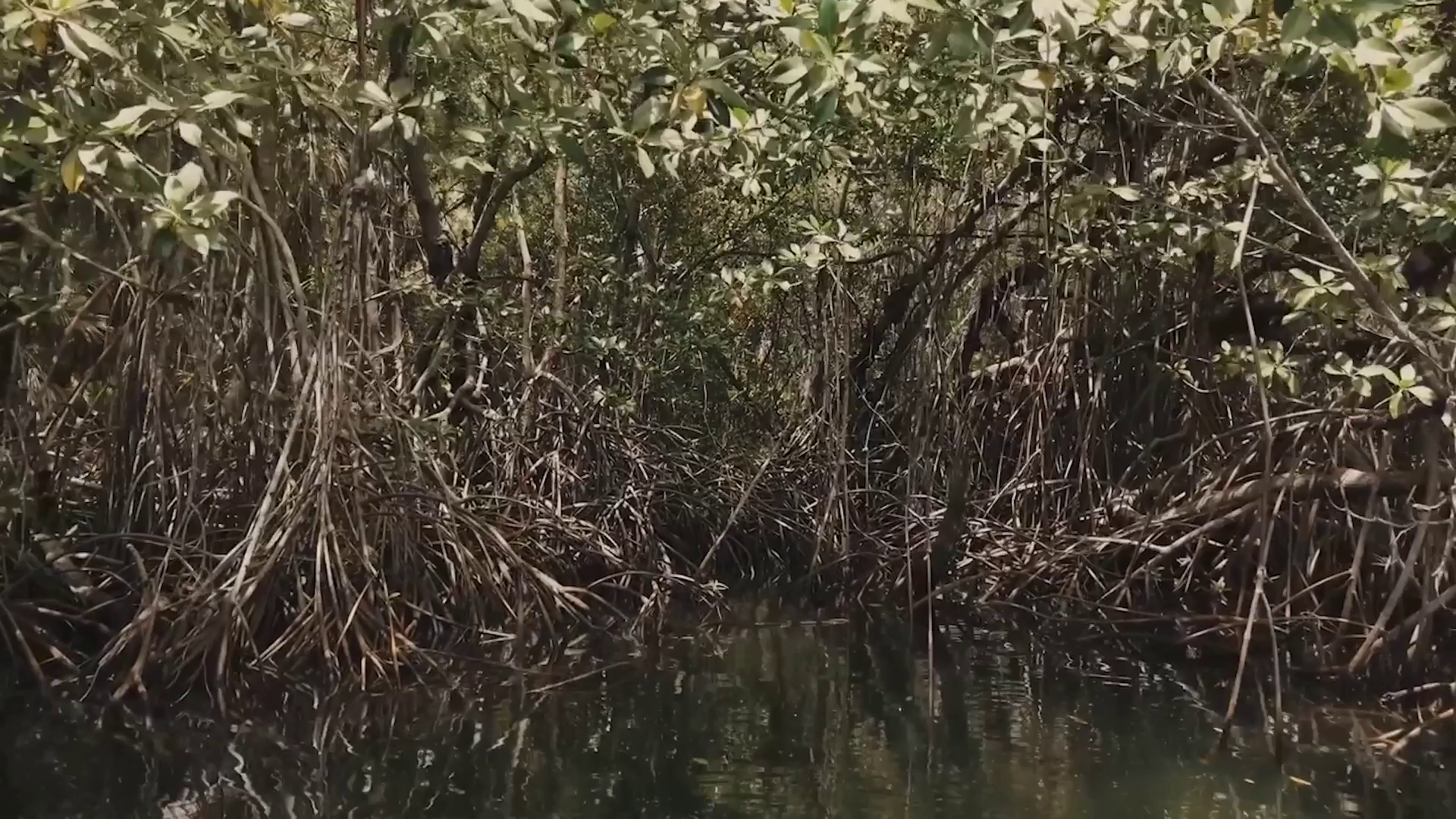
For Belize, mangrove ecosystems are far more than just coastal vegetation – they serve as critical natural infrastructure that shields shorelines from destructive storm surges and erosion, provides critical habitat for commercially and ecologically important marine species, and filters pollutants before they can reach the country’s iconic Mesoamerican Barrier Reef. The workshop’s immersive model flips the script on traditional in-service teacher training, moving lectures out of closed rooms to give educators direct, experiential learning across interconnected Belizean ecosystems.
“Usually, teachers tend to do projects and workshops in their classrooms and everything else, but we wanted to do a flip side immersive fun project where teachers get to learn the ridge-to-reef perspective, pretty much to understand the watersheds in Belize,” explained Miracle Bood, Program Coordinator for Belize WaterWays. On the first day of the workshop, participants focused on freshwater ecosystem health at the Sibun River watershed, learning to distinguish biotic and abiotic components of watershed systems, conduct rapid ecological health assessments, and understand how watershed conditions cascade down to impact coastal mangrove and reef ecosystems.
Peri Edwards, WaterWays Education Coordinator, emphasized that the program works to demystify environmental science and make outdoor learning accessible for both educators and their future students. “It’s just a great opportunity to kinda teach them how to make the outdoors a little bit more approachable and make science fun, a little less scary, and just empower not only our teachers but our students and our community to really take ownership of our water and our environment,” Edwards said. “Belize is blessed to have so much forest cover and so many protected areas as well as mangrove coverage.”
After a day of freshwater field training at Monkey Bay Wildlife Sanctuary, participants traveled to Calabash Caye on Tuesday to begin hands-on training in mangrove restoration techniques. For Cyndi Vellos, a teacher at Corozal Junior College, the hands-on water quality testing activities at the Sibun River already delivered tangible, actionable learning. “People should know the importance of the river and why it cuts in the way that it does. From there then, we started to collect water samples because we wanted to look at the quality of the water,” Vellos explained. “We tested for dissolved oxygen, phosphates, nitrates, and we were given some charts in order for us to be able to look at the water quality. So I can safely say that the Sibun River has excellent dissolved oxygen, phosphates, and nitrates.”
This year’s workshop also leverages the experience of past participants, with returning educators stepping into leadership roles to mentor new attendees. Winston Elijio, a teacher at Pallotti High School who has participated in Project Mangrove for three years, noted that peer knowledge sharing amplifies the program’s impact across Belize’s education community. “It’s important to pass on the knowledge I’ve gained after being with Project Mangrove for three years, pass it on to other teachers, and this will allow them to, to better understand and to teach their students about seabeds, reef, mangroves, also teach them about conservation, preservation,” Elijio said.
Drawing participants from every region of Belize, from northern Orange Walk to southern Punta Gorda, the workshop awards participants with 20 continuing professional development credits, meeting the country’s requirements for teacher in-service training. Organizers say the model creates a multiplier effect: trained teachers will carry their firsthand conservation experience back to thousands of students across the country, building a culture of environmental stewardship from the classroom up.