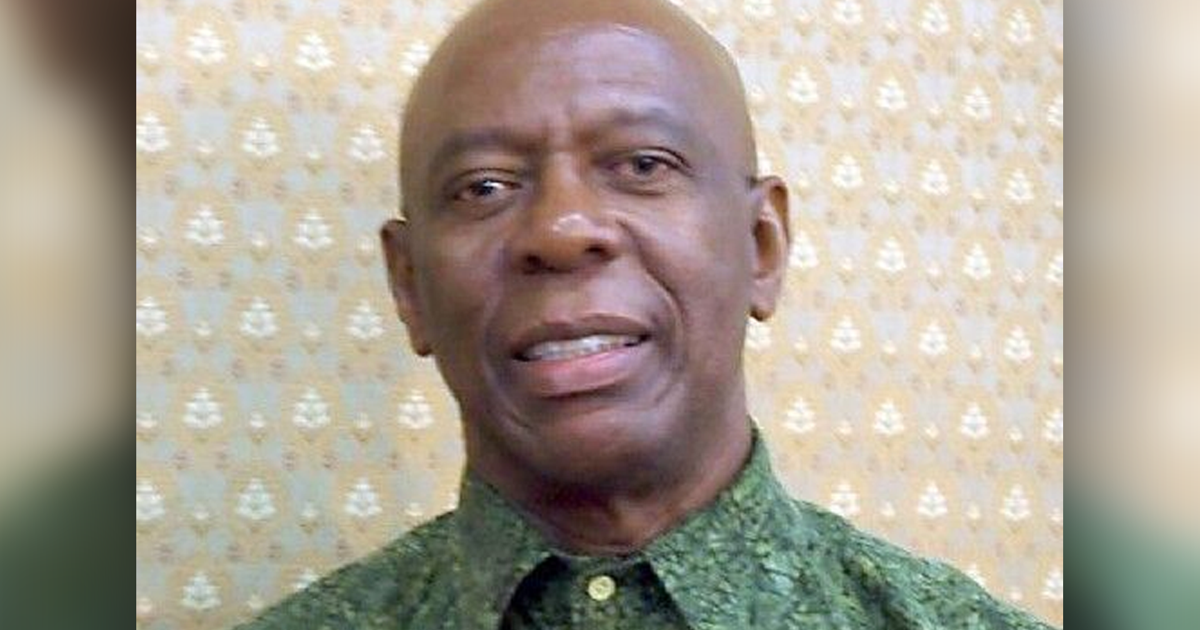
Top political analyst Dr. Winford James has issued a stark call for Trinidad and Tobago’s political leadership to abandon divisive racial rhetoric, warning that long-simmering ethnic tensions could spiral into dangerous outcomes given the nation’s unique history of coexistence between two major ethnic groups spanning more than 70 years.
In an exclusive interview with local outlet Express on Wednesday, James argued that for decades, successive national governments—starting from the administration of Dr. Eric Williams—have failed to meaningfully confront systemic issues of racism, instead allowing racial identity to skew national policy and decision-making. This pattern of avoidance, he emphasized, has set the stage for the dangerous, unacceptable political discourse playing out across the nation today.
“We know racial discord can lead to racial violence. And this is not the way to go. It solves no problems,” James told reporters. He stressed that the small island nation cannot withstand the devastating social and economic fallout of open racial conflict, noting that while the country has enjoyed relative interethnic peace for generations, leaders must actively work to protect that stability instead of putting it at risk.
Turning to the current political landscape, James analyzed the strategy of the opposition People’s National Movement (PNM), which lost national office in recent elections. He noted that the party appears to be prioritizing consolidating its traditional core voter base, which it believes has eroded in recent cycles. However, James warned that shifting demographic and social changes have made reliance on outdated, race-based voting patterns obsolete. Modern voters are far more informed, articulate, and issue-focused than in decades past, he explained, meaning any party that hopes to return to power must expand its appeal beyond its established ethnic and ideological base. Once political support is lost through poor performance or divisive tactics, James added, it is often extremely difficult to win back.
Beyond the question of racial division, James also delivered a broad critique of the quality of national political debate across all major parties. He argued that public discourse is dominated by shallow talking points, empty rhetoric, and counterproductive jargon, rather than substantive discussion of the core challenges that impact daily life for Trinidad and Tobago’s citizens. Neither of the country’s two largest political parties, he claimed, has put forward a credible, convincing policy agenda to address the nation’s most pressing problems. After more than a decade of PNM incumbency preceding their election loss, many voters have already concluded the party failed to deliver on key promises, he added, and the ruling party has failed to fill that policy gap with meaningful solutions of its own.
“We look around and we want to see… what the real issues are that will give the population solace and comfort going forward. But we don’t hear them. We hear shallow pronouncements, rhetoric, and unacceptable jargon on platforms and media,” James said.
He closed by urging leaders to set aside division and come together to build a clear national agenda centered on inclusive development and tangible, meaningful change for all citizens—an agenda he says is noticeably absent from current politics. “This is not the time for separation, but to come together and look at the content of what we need. We need serious conversations. The time has far come when we need to determine what the actual issues are and how we can go about getting people interested in resolving those issues,” James said. “Maintaining that peace requires a clear national agenda centred on development and meaningful change… But for that to happen we need an agenda of development and change, which is not currently evident.”