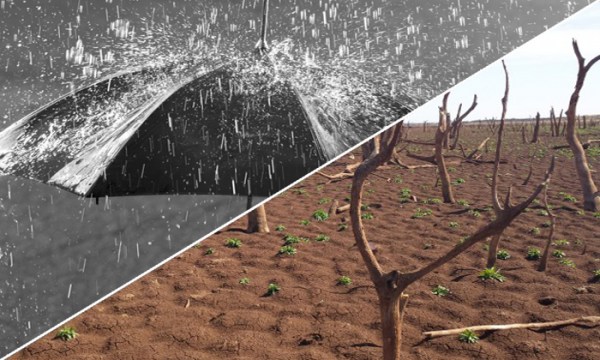
On August 3, 2026, Guyana’s national Hydrometeorological Service (Hydromet) issued an urgent official warning, cautioning residents across the South American nation that the strengthening El Niño climate pattern will trigger an extended period of extreme heat through much of the rest of the year, raising the threat of severe, widespread water shortages.
El Niño, a recurring climate phenomenon defined by unusual warming of surface waters across the central and eastern equatorial Pacific alongside weakened trade winds, is the core driver behind the forecasted extreme conditions. Hydromet’s latest seasonal climate outlook projects a dramatic spike in the number of extreme hot spell days for 2026, a sharp deviation from the country’s historical climate averages. While Guyana normally records a maximum of 30 hot spell days in a full year, the updated forecast predicts the total could reach as high as 80 this year, with the most intense heat concentrated between August and at least October 2026.
Hydromet defines a hot spell as a consecutive stretch of two or more days of record-breaking extreme temperatures. The agency confirmed that every region across Guyana will see fewer rainy days than the long-term average, with both daytime and overnight temperatures remaining well above normal seasonal benchmarks. The highest frequency of extreme hot days is expected to impact five key regions: Demerara-Mahaica (Region 4), Mahaica-West Berbice (Region 5), East Berbice-Corentyne (Region 6), Potaro-Siparuni (Region 8) and Upper Demerara-Upper Berbice (Region 10). Hinterland and remote vulnerable communities will face the most acute risks from the extended dry period, which will cut access to reliable water supplies for residential use, agricultural production and other core economic activities.
The ripple effects of the prolonged heat and drought will extend across nearly every major sector of Guyana’s economy and public life. For the agricultural industry, reduced rainfall and sustained high temperatures will leave crops suffering from critical moisture stress, degrade the quality of grazing pasture, and increase water demand for livestock herds. In forested and savannah regions, parched vegetation combined with record high temperatures will drastically raise the risk of uncontrolled bush and forest fires.
The transportation sector will also face significant disruptions: lowered river water levels will impede inland river navigation in many areas, interrupting the movement of residents, commercial goods and essential public services. Unpaved rural roads will become extremely dusty as dry conditions persist, cutting driver visibility and raising road safety risks. While Hydromet did not forecast widespread power outages, the agency noted that sustained extreme heat will push up electricity demand, as households and businesses ramp up use of air conditioning and cooling systems, placing extra strain on the country’s national power grid.
Public health and education systems are also bracing for impacts. Sustained extreme heat will increase discomfort in school classrooms and raise the risk of heat-related illness among students. For public health, prolonged exposure to extreme high temperatures is projected to increase cases of dehydration, heat exhaustion and life-threatening heat stroke, with children, older adults, people with pre-existing chronic medical conditions, and outdoor workers facing the highest vulnerability.
In response to the forecast, Hydromet has issued a comprehensive set of public advisories to help residents and communities prepare for the extreme conditions. The agency urges the public to stay consistently hydrated, practice ongoing water conservation throughout the extended dry period, limit strenuous outdoor activity between 11 a.m. and 2 p.m. when temperatures peak, and wear lightweight, loose-fitting clothing to reduce heat absorption. It also called on education authorities to ensure all schools maintain adequate supplies of safe drinking water, and to prioritize heat safety protocols for students and staff. To reduce wildfire risk, the public has been warned to avoid any activity that could spark unintended fires, including open burning of waste or vegetation. Farmers are advised to closely monitor crop and livestock conditions and ensure consistent access to high-quality water for their operations.
Hydromet emphasized that even though El Niño brings overall warmer and drier conditions to Guyana, periods of heavy rainfall remain possible during the forecast period. The agency confirmed it will continue ongoing monitoring of evolving climate conditions and will issue regular, timely updates to support community preparedness and help public and private stakeholders make informed adaptation decisions.