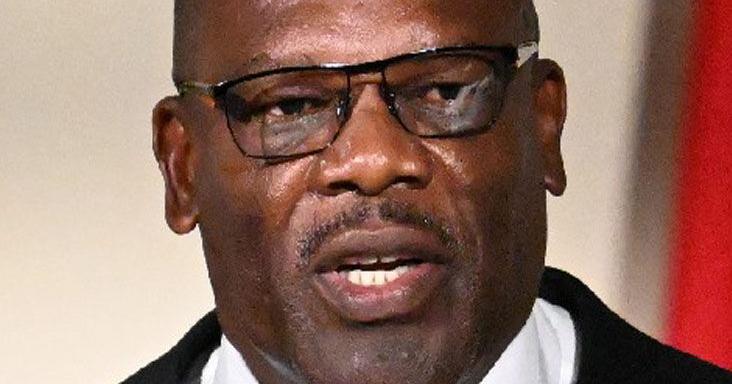
In a provocative, unflinching address to mark Emancipation Day, Homeland Security Minister Roger Alexander has drawn widespread attention by declaring that people of African descent have become “an endangered species” — blaming internal cycles of violence, criminality and intergenerational neglect for the community’s ongoing stagnation nearly two centuries after the formal abolition of slavery.
Delivering his remarks in a virtual presentation titled for his hard-hitting thesis, Alexander challenged the value of annual Emancipation Day observances, questioning whether the popular celebrations have translated to tangible, meaningful progress for African communities globally. He argued that far too many people remain trapped in what he described as a slave-era mentality that continues to hold the community back generations after emancipation.
“ I have more questions than answers because why after so long we are celebrating Emancipation but still mentally we are still on that slave ship making that same trip,” Alexander told his online audience. He pressed community leaders and members to examine their own inaction, asking: “What are we doing differently to change the hearts and minds of our people, to richly educate them, prepare young men to be adults, to be fathers and women to be able to manage their career and their family at the same time? What are we doing?”
Alexander pointed out a stark disconnect in how African identity is practiced: while communities proudly showcase their culture, heritage, traditional clothing, distinctive hairstyles and unique talents during Emancipation events, these values are rarely upheld consistently through the rest of the year. He also leveled criticism at individuals and organizations that he says only lean into public African identity when pursuing grants or financial backing, all while ignoring the deep-rooted structural and social issues eroding the community from within.
Acknowledging that his blunt assessment would likely stir controversy and alienate some listeners, Alexander insisted that uncomfortable, honest dialogue is a necessary first step to drive change. “I know some of us will not be impressed with what I say because most African males do not have the testicular fortitude to say it. We are endangered species, not just young men but Africans on a whole whether we like it or not. And who is doing all of this? We. We are doing it to each other. So what really changed?”
To illustrate the ongoing crisis facing young people in the community, Alexander shared a recent anecdote: he recently spoke with a 30-year-old man who had managed to secure stable employment, yet still saw his life derailed by addiction to drugs and exposure to gang violence — a case, he says, that proves systemic problems within the community continue to undermine individual progress.