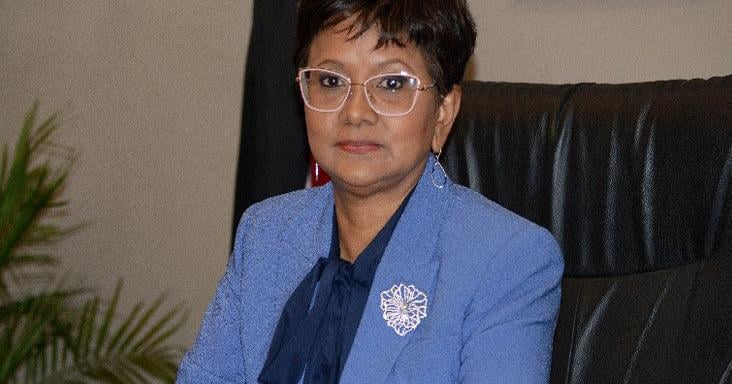
On the annual observance of African Emancipation Day, Trinidad and Tobago President Christine Kangaloo delivered a nationally broadcast address framing the historic occasion as a lasting testament to the resilience of the human spirit and a reminder of unfinished work to advance true freedom across the nation.
Kangaloo opened her message by emphasizing that this year’s commemoration carries unique urgency, coming against the backdrop of months of emergency public safety measures implemented across the country. The emergency period, she argued, offers a critical opportunity to reaffirm a core truth: public safety and individual liberty are not competing goals, but interconnected responsibilities that societies must uphold in tandem.
Recounting the brutal history of chattel slavery, Kangaloo paid tribute to generations of enslaved Africans who resisted systemic dehumanization. Torn from their home continents, trafficked across the Atlantic Ocean, and reduced to property to be bought and sold, enslaved people were systematically stripped of their names, cultural traditions, family ties, and basic human dignity. Yet every attempt to break their collective spirit failed: through persistent resistance, enormous sacrifice, and unwavering hope, they challenged the exploitative system that oppressed them, ultimately forcing the end of legal slavery with the 1834 Emancipation declaration, followed by full emancipation in 1838.
This hard-won victory, Kangaloo stressed, is not only a milestone for the African diaspora—it is a universal win for all of humanity. “Slavery was an offence against the entire human family, and Emancipation proved that no people can be permanently denied their inherent dignity,” she said. “Its message belongs to every citizen, regardless of faith, ancestral background, or cultural identity. All of us inherit both its promise and the responsibility to uphold it.”
Beyond the physical end of chattel slavery, the president argued, true emancipation requires intellectual and cultural liberation. Invisible chains, she noted, persist in harmful inherited prejudices, biased patterns of thought, and the language used to marginalize groups. Racial slurs, for example, reinforce the dangerous falsehood that ancestry determines an individual’s worth, loyalty, or place in society—harming not just targeted groups but the entire nation by eroding shared trust and solidarity.
Kangaloo pushed back against the idea that prejudice can be countered with reciprocal bias, warning that responding to hate with hate only validates the core falsehood that race defines a person’s character. Resentment may offer short-term emotional reward, but it ultimately undermines the collective social fabric that binds all citizens together.
Mental emancipation, she explained, demands the rejection of all forms of racism, exclusion, and hatred, and a refusal to use race as a metric of merit or belonging. She pointed to everyday examples of cultural marginalization: a society that is truly free will never force Black children to feel ashamed of their natural hair texture or traditional African cultural practices, nor will it require citizens to downplay their African identity in clothing or appearance to gain acceptance in schools or workplaces.
“While standards of discipline and public decorum have a legitimate role, they become harmful when they perpetuate inherited discomfort with African features, clothing, and culture,” Kangaloo said. “We cannot meaningfully celebrate African heritage in formal ceremonies while treating its visible, everyday expressions as something that needs to be corrected or hidden.”
Returning to the ongoing state of emergency, the president reaffirmed that when temporary restrictions on freedom are required for public safety, those measures must always be implemented with intentional gravity and restraint. They must never weaken the nation’s core commitment to liberty or erode public vigilance in defending individual freedoms.
Kangaloo concluded by noting that the work of emancipation remains unfinished, requiring ongoing effort across every sphere of national life: from the laws legislatures uphold, to the public institutions that communities strengthen, to the language individuals choose, to the daily choices that either expand or restrict the freedom of others.
“Our ancestors broke chains that were visible to all, but the chains we must resist today are often hidden,” she said. “Even so, our duty to identify and oppose them is just as urgent. On this Emancipation Day, may we work together to build a Trinidad and Tobago where freedom is not just a historic memory, but a way of life that all citizens get to live fully.”