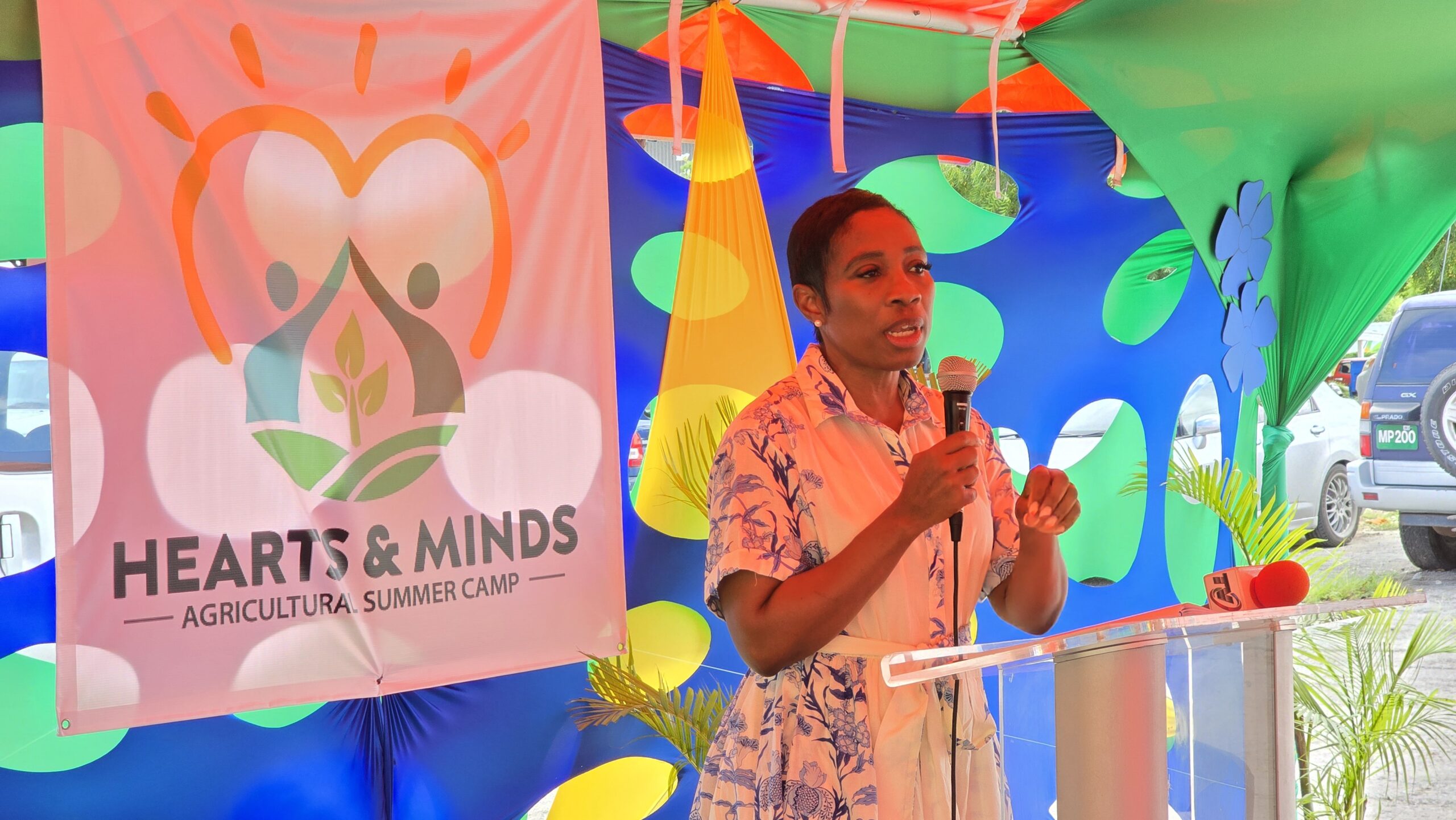
In a strategic push to weave agricultural education deeper into the national K-12 system, Barbados’ Ministry of Agriculture and Ministry of Education have announced a joint expansion of the country’s school greenhouse program, with 13 new facilities set to launch at the start of the upcoming academic year. Unlike past iterations of the initiative that relied on external experts to complete construction before bringing students in, the new model centers student participation from the earliest planning and building phases, Agriculture Minister Dr. Shantal Munro-Knight confirmed during a Friday press briefing marking the close of a month-long national agricultural summer camp that hosted more than 20 student participants.
Dr. Munro-Knight explained that the hands-on reworking of the program is designed to give students a far more comprehensive understanding of modern agriculture than traditional planting-focused lessons. “Previously, our specialists would handle all construction from start to finish. But Minister [of Education] Blackman and I agreed that this approach misses critical learning opportunities,” she told outlet Barbados TODAY. “Agriculture isn’t just about sowing seeds and harvesting crops. It involves architectural design, climate science, and technological innovation too, and we want students to experience all of that.”
Beyond basic cultivation skills, students will gain practical knowledge in greenhouse structural design, the effects of weather and heat exposure on crop growth and infrastructure, modern agricultural technology, and sustainable growing practices. For example, students will learn firsthand how to adjust growing bed heights to manage heat and moisture levels, rather than just memorizing the concept in a textbook.
To complement the practical learning, the government also plans to introduce a cooperative business framework for school agricultural programs, giving students firsthand experience in agribusiness and food systems economics. Under the proposed model, the Ministry of Agriculture will sign a formal off-take agreement to purchase quality produce grown by students, with all revenue generated returning to the participating schools to fund further agricultural programming or other school initiatives. “This structure lets students see the full commercial side of agriculture,” Dr. Munro-Knight said. “They learn that sustainable agriculture isn’t just growing food—it’s building a viable business too.”
The long-term vision of the partnership extends far beyond adding new greenhouses. To embed agriculture permanently into the national education system, the two ministries are currently developing a complete formal agricultural curriculum for all school levels, a project that will be rolled out incrementally. Additional specialized training for participating teachers is also a core part of the initiative, as the government works to address existing capacity gaps. “We’ve tasked teams from both ministries to map out the full curriculum framework,” Dr. Munro-Knight said. “This is a long-term goal. We’re starting with the greenhouses and initial teacher training, and we’ll build steadily toward a full integrated curriculum over time.”
The agriculture minister noted that demand for school greenhouse projects has grown steadily in recent years, with a number of local schools such as Springer Memorial already running consistent, successful agricultural programs on their own. Teacher training remains one of the most significant barriers to faster nationwide expansion, so the program will prioritize schools that already have established farming initiatives, enthusiastic leadership, and the capacity to scale up their work in the first phase. “We’re starting with the schools that are ready, that have teachers willing to lean in, and that already have momentum around agricultural learning,” Dr. Munro-Knight said. “Once we refine the model there, we’ll expand to the next stage.”