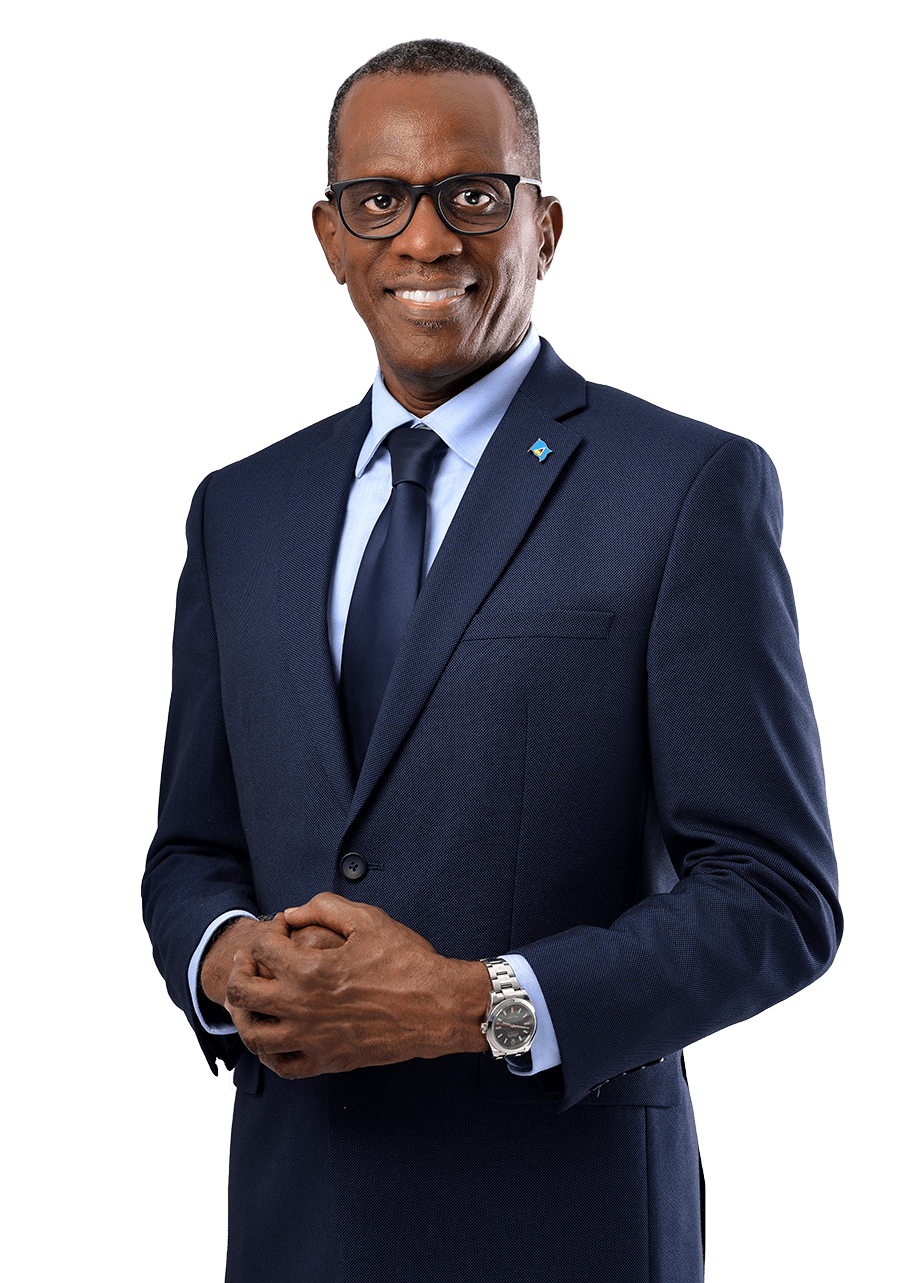
On July 31, 2026, ahead of Emancipation Day commemorations across the Caribbean region, the Chairman of the Caribbean Community (CARICOM) and Prime Minister of Saint Lucia, the Honourable Philip J Pierre, delivered an official message reflecting on the legacy of enslavement, celebrating Caribbean resilience, and outlining a collective path forward for the regional bloc.
In his address to people across Saint Lucia and the entire CARICOM community, Pierre opened by paying tribute to the generations of enslaved women, men, and children who endured unthinkable cruelty yet never surrendered their inherent dignity, humanity, or hope for freedom. “Because they endured, because they resisted, because they believed, we stand here today as a free people,” Pierre emphasized, noting that Emancipation Day is far more than a ceremonial holiday—it is a sacred reminder of the region’s traumatic origins, the hard-won progress achieved to date, and the unfinished work that remains for current and future generations. Freedom was not granted to Caribbean ancestors, he reminded listeners; it was demanded, fought for, and paid for with immeasurable sacrifice, unwavering courage, and unbreakable faith.
Pierre stressed that the formal abolition of chattel slavery did not bring an end to systemic injustice. Enslaved people entered into freedom stripped of land, wealth, compensation, and access to opportunity, while the nations and groups that profited from their forced labor retained the benefits of that exploitation. While history cannot be rewritten, Pierre argued that it must be fully understood, because confronting the past is the only foundation for fulfilling the intergenerational responsibility to build a more equitable future.
The CARICOM chair went on to frame the Caribbean story as a unique narrative of extraordinary resilience forged from overlapping layers of trauma: the dispossession of Indigenous peoples, the centuries-long atrocity of African enslavement, the exploitation of indentured labor, and generations of colonial rule. Out of that pain, Caribbean people created enduring beauty, collective strength, and enduring hope, building sovereign nations, inclusive communities, and functional democracies, while contributing music, literature, and culture that have transformed and enriched the entire world. “We are Caribbean people. We are a proud people. We are a resilient people. And have every reason to believe in our future,” Pierre said.
The work of true emancipation is far from complete, Pierre argued. Political independence alone is insufficient; the people of the Caribbean deserve economic freedom, equal access to opportunity, broad-based ownership of regional resources, and shared prosperity. He called for building regional economies that allow Caribbean people to create, not just consume, wealth, that offer meaningful opportunity for young people at home, that support local entrepreneurs, farmers, fishers, and manufacturers, and that reward hard work with dignity.
Centering young people as the core of all regional efforts, Pierre emphasized that every Caribbean child deserves the chance to dream and every young person the chance to achieve their potential. He called for educational systems that prepare youth to innovate, lead, build businesses, master emerging technologies, and drive societal transformation, equipping them to strengthen national and regional communities while pursuing purpose-driven lives.
Pierre also highlighted two critical pillars of genuine regional independence: food and energy security. “No nation is truly secure if it cannot feed itself,” he noted, explaining that supporting local cultivation, empowering small-scale farmers and fishers, and prioritizing Caribbean-made goods on local supermarket shelves moves the region closer to full sovereignty. For energy, he stressed that expanding access to affordable, reliable, clean energy is not just an environmental priority—it strengthens regional economies, creates new jobs, and reduces the cost of living for all Caribbean people, advancing the unfinished work of emancipation.
Addressing the ongoing pursuit of reparations for slavery, Pierre clarified that the movement is not about assigning blame or seeking revenge, but about securing truth and justice for the widespread human suffering caused by the transatlantic slave trade and chattel slavery.
“Every generation inherits more than freedom; it inherits a responsibility,” Pierre concluded. “Our responsibility is to honour the sacrifices of those who came before us by building a society that is more just, more united and more prosperous than the one they entrusted to us. The true measure of our freedom lies not only in what we remember, but in what we choose to build together.”
Pierre closed by calling on all CARICOM citizens to continue the work begun by their ancestors, strengthen the regional bloc, and build a future worthy of the sacrifices made by prior generations. He reaffirmed his confidence in the people of the Caribbean to meet this intergenerational challenge.
Founded in 1973 with the signing of the Treaty of Chaguaramas (revised in 2001 to establish a single market and economy), CARICOM includes 15 full Member States and 8 Associate Members, home to roughly 16 million people, 60% of whom are under the age of 30. The bloc’s work is organized around four core pillars: economic integration, coordinated foreign policy, human and social development, and security cooperation, with a stated mission to build an integrated, inclusive, and resilient regional community that delivers shared prosperity, guaranteed human rights, and social justice for all citizens. Widely recognized as one of the most successful integration projects in the developing world, CARICOM positions the region as a unified, competitive actor on the global stage.