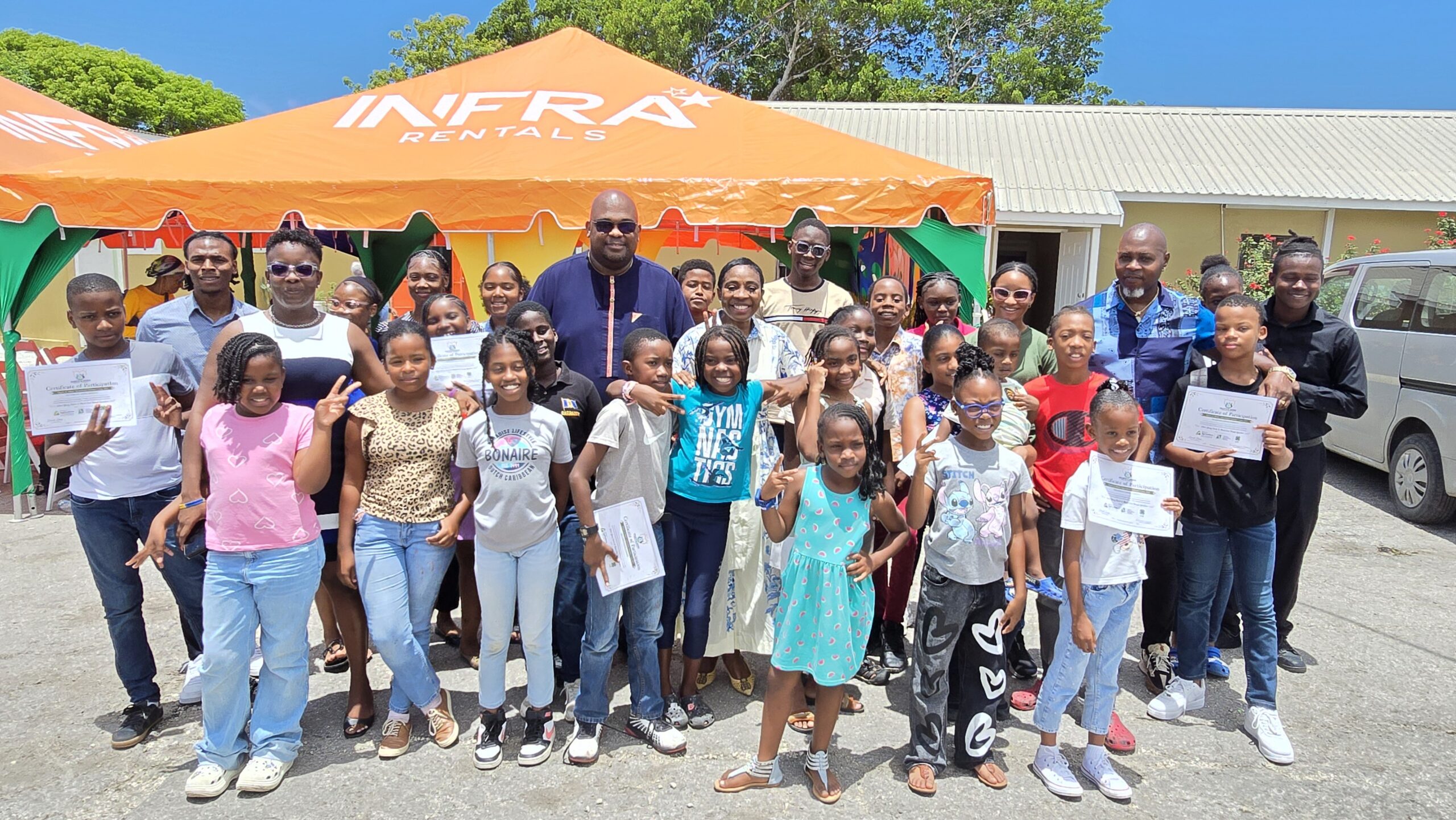
Barbados has marked the successful completion of its first-ever Hearts and Minds agricultural summer camp, a Ministry of Agriculture initiative that brought hands-on farming education to more than 20 primary and secondary school students, with organizers already planning to expand the program in 2025 to cultivate a new generation of agricultural leaders.
Running for four weeks through July, the immersive camp introduced participating students to core pillars of modern agriculture: sustainable soil management, ethical animal husbandry, end-to-end food production, agribusiness fundamentals, and agriculture as a viable, rewarding long-term career. At the closing ceremony, Barbados Minister of Agriculture Dr. Shantal Munro-Knight emphasized that boosting domestic food output cannot deliver national food security on its own unless the population rebuilds a meaningful, personal connection to farming and food production.
The program was designed from the ground up to help young people recognize the central role domestic agriculture plays in supporting their families and local communities, Dr. Munro-Knight explained. “Agriculture is for us. It is not grown exclusively to feed tourists or export markets – it is first to feed our own families, our own communities, the Barbadian people who rely on it every day,” she said.
Dr. Munro-Knight urged Barbadians to preserve the longstanding tradition of backyard gardening, a practice she framed as critical to advancing the country’s food security goals. “There are foundational cultural practices that support our national development that we must hold onto, and the ability to feed ourselves is at the top of that list,” she noted. “Being able to step out into your backyard and harvest fresh spinach, pick peas from a vine, or pluck fruit from an overhanging tree – those small, everyday acts are far more important than many people realize.”
These local food production skills become even more critical during global crises that disrupt international supply chains, she added, pointing to ongoing geopolitical conflicts that have strained global food distribution in recent years. “When war disrupts global trade and we can’t rely on imported food, these are the skills that will keep our people from going hungry,” Dr. Munro-Knight said. “They also protect the livelihoods of our existing farming community, because when we prioritize buying and growing local, we sustain the work they have invested in for generations.”
Camp director David Davis said that after four weeks working alongside the participating students, he left the program with full confidence in Barbados’ agricultural future. “I spent the last month with these young people, and I saw brilliant, curious minds hard at work every single day,” Davis shared. “I was nervous about how the inaugural program would go before we started, but meeting these students put all my worries to rest. I know the future of agriculture in Barbados is in good hands.”
Davis stressed that the country must prioritize youth engagement in agriculture to secure long-term food sovereignty, comparing the young participants to seeds that require intentional nurturing to grow. “We must put agriculture at the top of our national priority list, and all of us have a role to play in supporting these bright young people,” he said. “We planted the seed of interest in agriculture through this camp, and now we have to keep pushing, keep nurturing that interest so they can grow into the innovative agricultural leaders our country needs.”
Assistant camp director Keisha Weekes echoed Davis’ optimism, praising participants for their relentless curiosity and wholehearted engagement with every program activity. “Over the past four weeks, we watched these young minds jump at every opportunity to learn,” Weekes said. “Their enthusiasm, curiosity, and eagerness to explore the four core pillars of our program have been truly inspiring. They asked thoughtful, incisive questions, threw themselves into every hands-on activity, and reminded all of us that when young people get the chance to explore agriculture, the future of the sector is bright.”
Weekes added that the camp not only taught students tangible new skills but also helped them build a lasting appreciation for agriculture’s role in everyday Barbadian life. “It has been wonderful to watch confidence grow, friendships form, and knowledge expand over the course of this program,” she said. “I hope every student leaves here today not just with new practical skills, but with a deeper understanding of how vital agriculture is to every part of our nation.”
Camp counsellor Tawana Russell outlined the program’s core curriculum, which was structured around four key pillars: soil health, livestock care, the seed-to-table supply chain, and agribusiness. “Together we walked through each of these four areas, and along the way we watched our campers grow more confident, collaborate effectively, and develop a genuine respect for the work of farming,” Russell said.
By the end of the program, students left with a far more nuanced understanding of farming than they had when they arrived, Russell noted. “They learned that healthy soil is far more than just dirt, that raising livestock requires patience and consistent responsibility, and that food doesn’t just magically appear on supermarket shelves – it’s the product of hard work along the entire supply chain,” she explained. “Most importantly, they learned that agriculture is not just a traditional way of life – it is also a dynamic career, a viable business, and an essential foundation for our nation’s future.”
For 16-year-old camper Jamira Waithe, the hands-on learning opportunities were the highlight of the entire program. “We got to see first-hand how chickens are raised and processed before they ever reach supermarket shelves,” Waithe shared. “We went on farm tours, we had so much fun learning together, and the best part was building our own grow boxes as a group. We got to prepare the soil and plant our own seedlings – that experience stuck with me. This is honestly the best camp I’ve ever attended.”
Fellow camper Zion Griffith said the program completely reshaped his understanding of what agriculture entails. “Before I came to this camp, I thought agriculture was just planting crops and taking care of animals – that was it,” Griffith said. “I quickly learned it’s so much more than that. Agriculture is a vital part of all our lives because it gives us the food we eat every day, and it supports the livelihoods of so many people across our country.”
Griffith added that he also gained valuable insight into sustainable farming and its role in protecting the environment. “I learned so many useful skills: we got to plant crops, care for growing plants, study different farming methods, and I really understood how important sustainable practices are to protecting our natural resources while growing food,” he said.
With the success of the first cohort, organizers are already preparing to expand the program next year, hoping to reach more young people and build a pipeline of new talent to support Barbados’ goal of greater food sovereignty.