The World Meteorological Organization (WMO), a United Nations specialized agency for climate and weather, has issued an urgent warning that a rapidly strengthening El Niño event will dominate global weather patterns over the coming months and drive widespread extreme weather conditions across the planet.
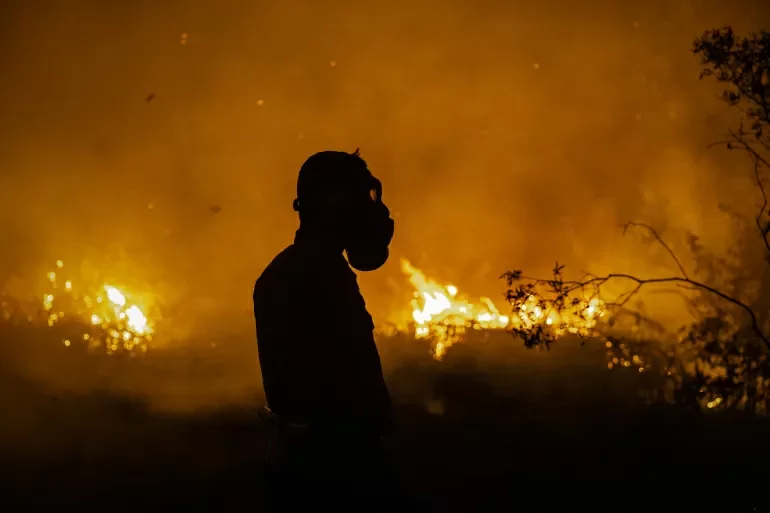
Published on Friday, the WMO’s latest climate update confirms that this recurring climate phenomenon, driven by abnormal warm water buildup in the central Pacific Ocean, has already elevated the global risk of catastrophic heatwaves, prolonged droughts, and severe flooding. The alert comes at a time when vulnerable regions are already reeling from climate-related disasters: massive wildfires are tearing through parts of Africa and Europe, while unusually heavy monsoon rains in South Asia have caused widespread disruption and displacement.
“El Niño is not just on our doorstep — it is already here, and it is turning up the heat,” United Nations Secretary-General António Guterres stated in response to the update. “This is just a warm-up. El Niño is growing stronger, and it is adding fuel to a planet that is already on fire.”
Forecasters project that sea surface temperatures in the central Pacific Ocean will rise to more than 2.9 degrees Celsius above long-term historical averages. This extreme ocean warming disrupts established global weather systems and pushes overall planetary temperatures even higher, compounding the decades-long trend of human-caused global warming.
Guterres has called on national governments to drastically accelerate climate action, noting that the impacts of El Niño are intersecting with human-induced climate change to create an unprecedented climate emergency. He specifically identified the continued expansion of fossil fuel production as the core driver worsening the crisis, and called for an immediate halt to all new coal, oil, and gas development projects.
Per the WMO forecast, nearly all global land areas will see well-above-average temperatures through the duration of the event. The most severe heatwaves are expected to hit regions across Africa, Southern Europe, the Indian subcontinent, East Asia, and South America.
WMO Secretary-General Celeste Saulo emphasized that while El Niño is being closely monitored by scientific agencies worldwide, early warning forecasts must translate into immediate, concrete action from governments and humanitarian organizations to protect the most vulnerable communities. “Forecasts cannot prevent hazards — people do,” Saulo said. “The decisions we make today will determine the impact we face tomorrow.”
Right now, Southern Europe is already battling multiple large-scale wildfires, amplified by ongoing heatwaves that have dried out vegetation and drastically increased wildfire risk. Spain, Portugal, and Greece have reported record numbers of blazes this season, which have destroyed thousands of hectares of natural land and forced thousands of residents to evacuate their homes.
Beyond wildfires, El Niño is triggering severe drought in other regions across the globe. In parts of East Africa, the phenomenon has led to failed rainy seasons, leaving millions facing acute food insecurity and severe water scarcity. South American nations including Peru and Brazil are also grappling with persistent drought that threatens agricultural output and access to clean drinking water for local populations.
Climate scientists warn that this El Niño event could reach record strength by the second half of 2026, further increasing the likelihood of extreme, destructive weather events across the globe. While there remain minor uncertainties in climate computer models, the overarching conclusion is clear: the combination of a powerful El Niño and long-term human-caused climate change is placing unprecedented pressure on the planet’s ecosystems and human communities.