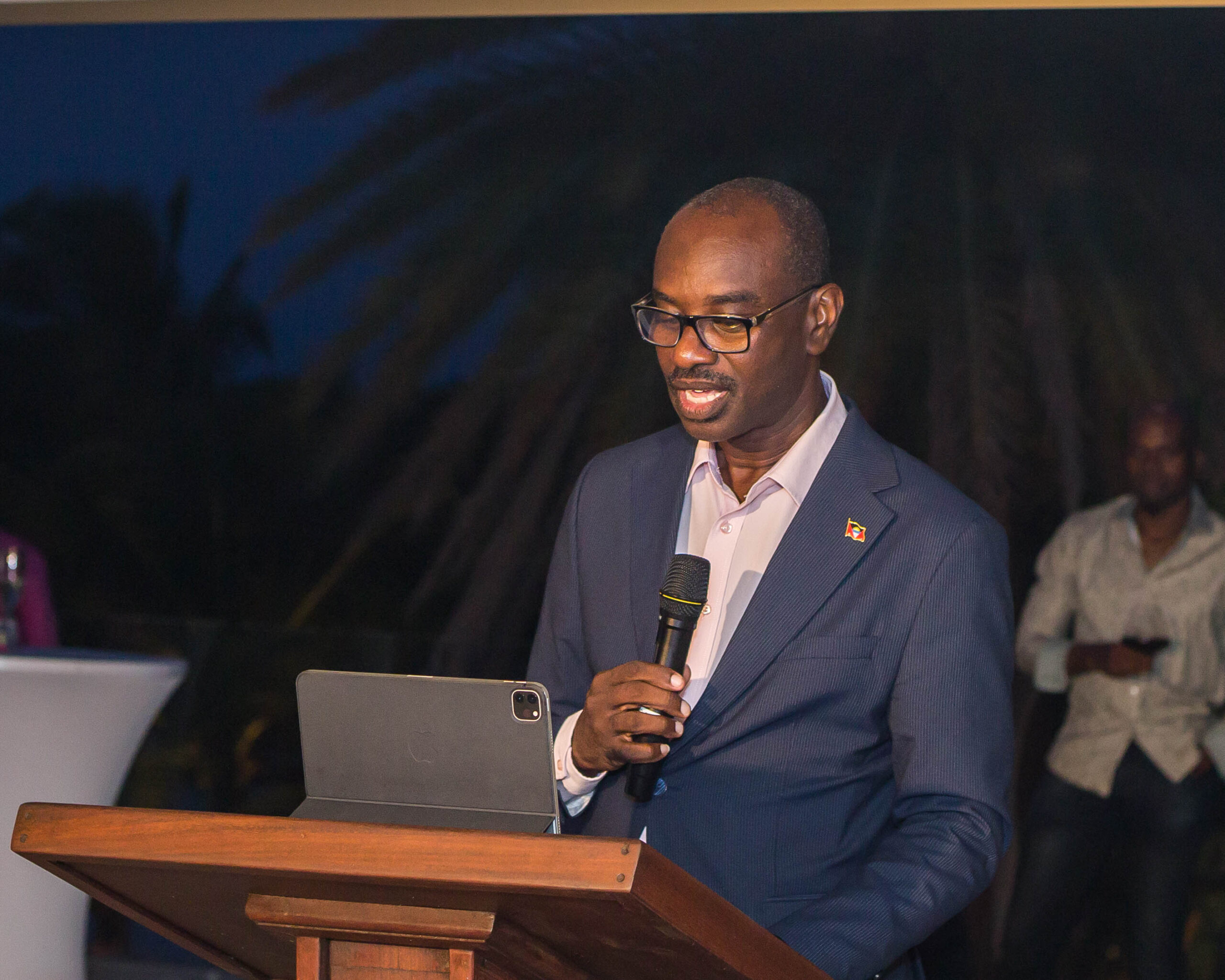
As Antigua and Barbuda prepares to mark Emancipation Day, The University of the West Indies (UWI) Five Islands Campus has issued a powerful 2026 message framing the holiday as more than a historical commemoration: it is a moment for national reflection, collective peace, and renewed commitment to ending the exploitation of Caribbean potential. Titled “The Price of Genius,” the message from Pro Vice-Chancellor and Campus Principal Professor Justin Robinson centers on a little-known 19th-century anecdote to anchor a broader argument about righting historical injustice and centering regional talent.
Robinson opens with the story of Isaac, an enslaved man whose multiple skills were documented in an 1854 letter written by slave trader agent A.J. McElveen. In the note, McElveen lavished praise on Isaac’s proficiency across a wide range of trades: he was a trained carriage driver, a skilled painter, a talented craftsman, a practiced musician, and a capable cook. Despite acknowledging Isaac’s breadth of ability, McElveen reduced that exceptional talent to a market price, valuing Isaac at $1,500 for resale.
This dehumanizing transaction is not an isolated historical footnote, the university emphasizes. Isaac’s experience mirrors that of millions of enslaved Africans brought to the Caribbean and the Americas, whose inherent intelligence, creative gifts, and learned skills were treated as tradable commodities to be inventoried, appraised, and sold for the profit of outside owners. “This is what Emancipation Day asks us to remember,” the message reads. “Not slavery as an abstraction, but slavery as an arithmetic, a system that could look genius in the face, acknowledge it, and still put a dollar figure on it.”
Against this grim historical context, Robinson pushes back against the idea that this history of exploitation can define the people it targeted. For generations, he notes, enslaved Africans held fast to their core identities, preserving their family structures, native languages, spiritual traditions, musical heritage, and cultural practices against systemic erasure. That legacy of resilience, he argues, remains the foundation of modern Caribbean society today.
For Robinson, UWI itself has a core mission rooted in correcting this historical harm: for centuries, Caribbean genius built wealth and prosperity for foreign powers rather than the region itself, and the university exists to reverse that injustice. “Every classroom at Five Islands Campus stands as an answer to that letter from Sumterville,” Robinson says. He urges students to approach their education not merely as a pathway to personal qualification, but as both a legacy inherited from the resilient generations that came before them, and a responsibility to lift their entire region forward.
The message also extends recognition to the campus’s own faculty and staff, who work to build institutional and regional capacity in a context of limited resources. Robinson notes that even with structural constraints, the people of the Caribbean have consistently delivered extraordinary achievements, a testament to the untapped potential the university is working to nurture.
While legal chattel slavery was formally ended by emancipation, Robinson stresses that the work of building true freedom remains incomplete across the region. “Freedom is the work of every generation, and our assignment is to free the Caribbean mind from the idea that we are too small to matter, or too dependent to act, and to build societies where no one’s genius is ever again someone else’s property,” he says.
In closing, Robinson encourages both the UWI Five Islands Campus community and all residents of Antigua and Barbuda to observe this year’s Emancipation Day as two things: a celebration of the unbreakable resilience of Caribbean people, and a public commitment to building a future that honors the sacrifices of all who endured the violence of slavery.