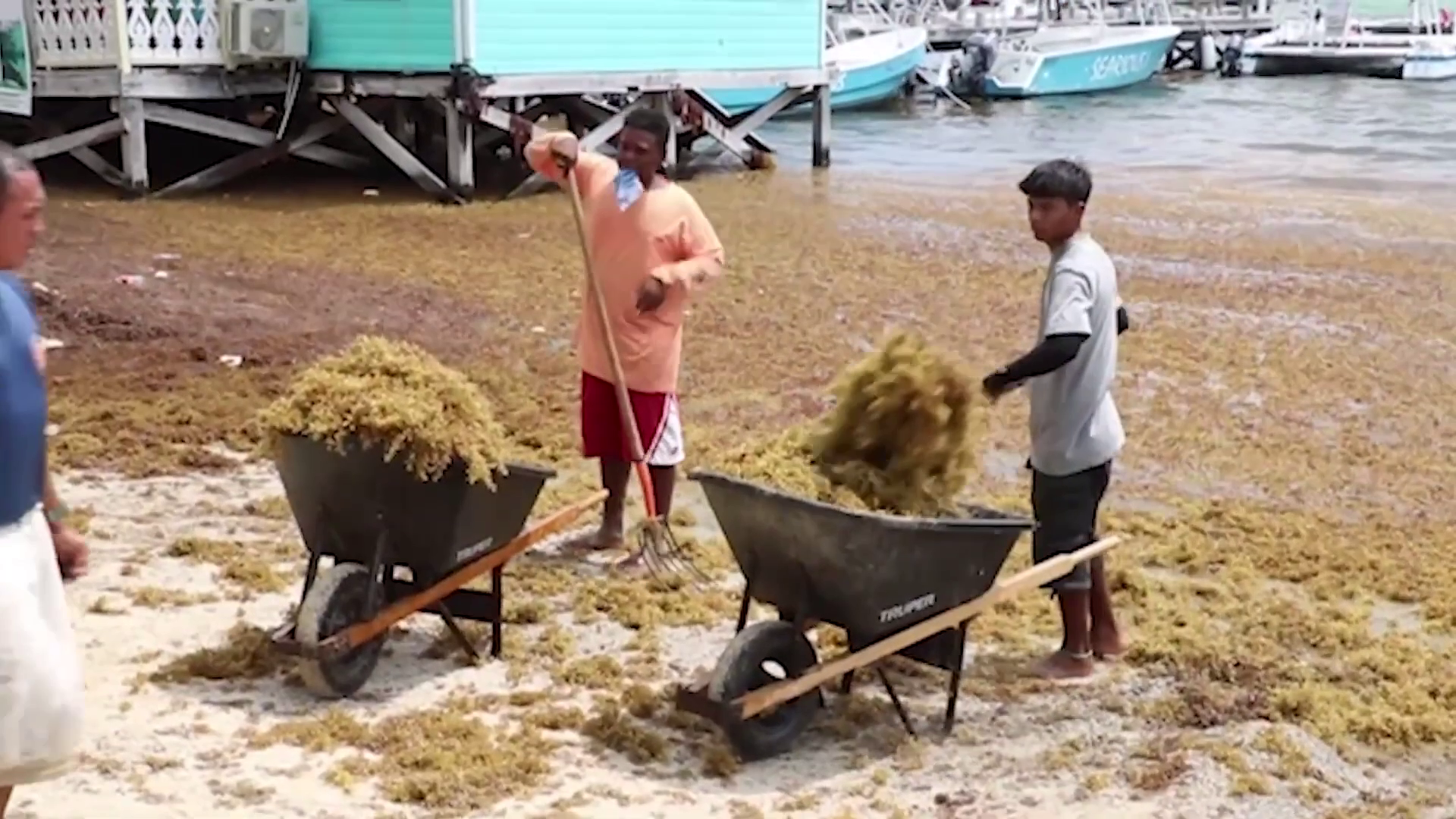
As of July 30, 2026, the idyllic island of San Pedro, Belize, is grappling with a persistent and costly environmental crisis that is straining municipal finances: a massive, unrelenting influx of sargassum seaweed washing onto its iconic shorelines. San Pedro Mayor Wally Nuñez confirmed in a recent broadcast interview that the town council was forced to reallocate more than $2 million from other municipal programs last year alone to fund emergency sargassum removal efforts, a financial burden that has impacted nearly every other area of local public service. What makes the situation even more urgent is that the flow of invasive seaweed shows no sign of abating, prompting local leaders to pursue long-term, more efficient solutions to protect the island’s coastal ecosystem and tourism-dependent economy.
Nuñez emphasized that the crisis is far from a local problem alone — it is a widespread regional challenge impacting coastal communities across the Caribbean Basin, stretching from Central American nations to coastal areas of the United States. For San Pedro, which relies heavily on its clean, attractive beaches to draw international tourists, the immediate priority remains rapid removal before the sargassum can decompose in nearshore waters, which would worsen water quality and drive away visitors. Currently, most of the town’s removal efforts are concentrated along the 1-mile stretch surrounding the town port, a small fraction of San Pedro’s total beachfront, leaving much of the coastline’s cleanup to private resorts and community volunteers.
Local leaders are actively evaluating a range of new approaches to tackle the issue, including investing in specialized, heavy-duty removal equipment that can clear sargassum directly from the water before it reaches the shore. Nuñez also noted that entrepreneurs have pitched a variety of repurposing plans for collected sargassum — including the production of so-called sarga blocks for construction and other commercial uses — but for cash-strapped local leaders, speed of removal remains the top priority. Last year marked one of the worst on record for sargassum inundations in San Pedro, leaving the council with no choice but to shift limited resources away from other planned municipal projects to fund emergency cleanup.
Fortunately, San Pedro is not facing the challenge alone. Mayor Nuñez confirmed that multiple regional agencies and key local stakeholders, including the Belize Tourism Board, have stepped in to provide additional equipment, logistical support, and funding to help the town manage the ongoing crisis. Private resorts along the island’s extended coastline have also deployed their own removal strategies, while community volunteers have contributed to local cleanup efforts to protect the island’s most valuable natural asset.