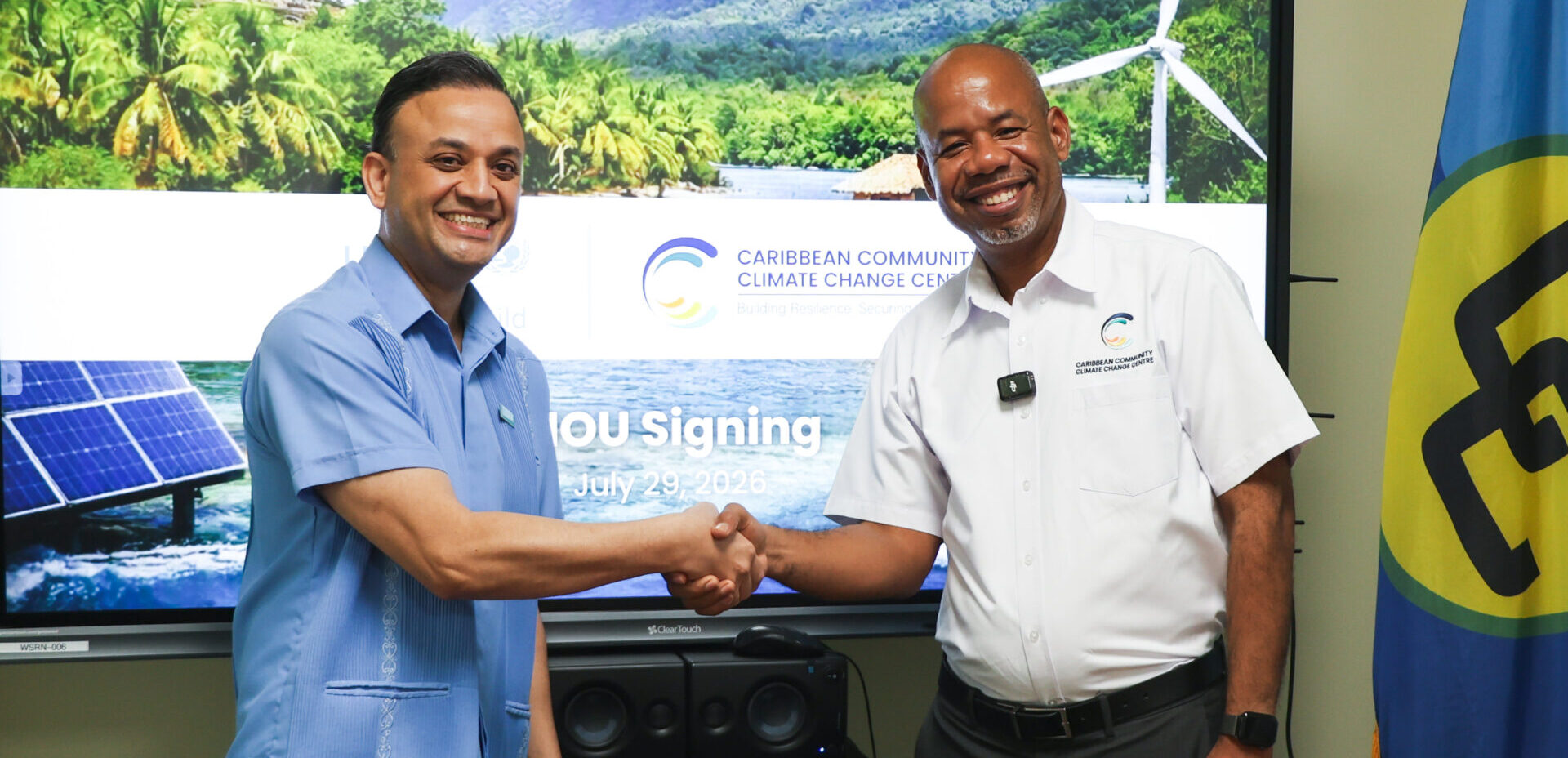
In a formal signing ceremony held at the Caribbean Community Climate Change Centre (CCCCC) headquarters in Belmopan, Belize, UNICEF and the regional climate body have launched an ambitious five-year strategic partnership designed to shield Caribbean children and young people from the accelerating harms of the global climate crisis. The newly signed Memorandum of Understanding (MoU) establishes a formal collaborative framework centered on embedding the unique needs of children into every level of regional climate policy and action. For years, Caribbean communities have grappled with a sharp rise in the frequency and intensity of climate-related disasters, including destructive hurricanes, widespread flooding, prolonged droughts, and record-breaking extreme heat. For children across the region, these events have triggered cascading harm: interrupting access to education, cutting off critical healthcare services, contaminating safe drinking water supplies, undermining nutrition programs, and breaking down child protection systems that vulnerable young people depend on. As UNICEF Representative Sajid Ali emphasized during the ceremony, the climate crisis is far more than an environmental issue—it is a fundamental violation of children’s rights. “Children are among those least responsible for the climate crisis yet they bear some of its greatest consequences,” Ali noted. This new partnership, he explained, will prioritize centering children in regional climate policies, investments, and programming, while reinforcing the essential public services and systems that children rely on daily. Under the terms of the agreement, the two organizations will work in lockstep to advance child-sensitive climate governance across the Caribbean. Key priorities include building climate resilience into core social systems, from education and healthcare to nutrition, water access, and sanitation and hygiene (WASH) services. The collaboration will also scale up child-focused social protection programs, expand community-level disaster preparedness initiatives, support targeted research on child climate vulnerability, coordinate global climate resource mobilization, and share evidence-based knowledge on building child-centered climate resilience. CCCCC Executive Director Dr. Colin Young highlighted that children and youth have long been overlooked in climate resilience planning, both across the Caribbean and globally. He noted that UNICEF’s decades-long track record of advancing child rights and centering young people in climate action aligns perfectly with the CCCCC’s strategic priorities, filling a critical gap that has gone unaddressed for too long. “This Memorandum of Understanding sets out the framework for the work we will do together and allows us to combine our expertise to ensure that children are at the heart of climate action,” Young said. “We are absolutely delighted to be partnering with UNICEF and to draw on its extensive experience working with children and youth across the Caribbean and in Belize.” One of the flagship components of the new partnership will focus on transforming climate-resilient sanitation systems across the region’s most vulnerable communities. Leveraging UNICEF’s deep technical expertise in WASH programming, the initiative will advance evidence-based policy advocacy, build local technical capacity, facilitate cross-community knowledge sharing, and unlock targeted climate financing to upgrade and protect sanitation infrastructure for at-risk populations. Beyond infrastructure and service delivery, the partnership will also expand leadership opportunities for children and young people—with a specific focus on including adolescent girls and marginalized youth groups. The organizations aim to empower young people to build the skills they need to actively participate in climate solution design, contribute to national and regional public policy debates, and lead grassroots advocacy efforts for climate action. This joint initiative brings together UNICEF’s global mandate to protect and advance child rights with the CCCCC’s role as the leading coordinator of regional climate action in the Caribbean. The shared end goal is to build a more resilient, sustainable, and equitable region where every child can grow and thrive, even as the impacts of climate change continue to intensify.
UNICEF and Caribbean Climate Change Centre forge five-year partnership to protect children from climate impacts