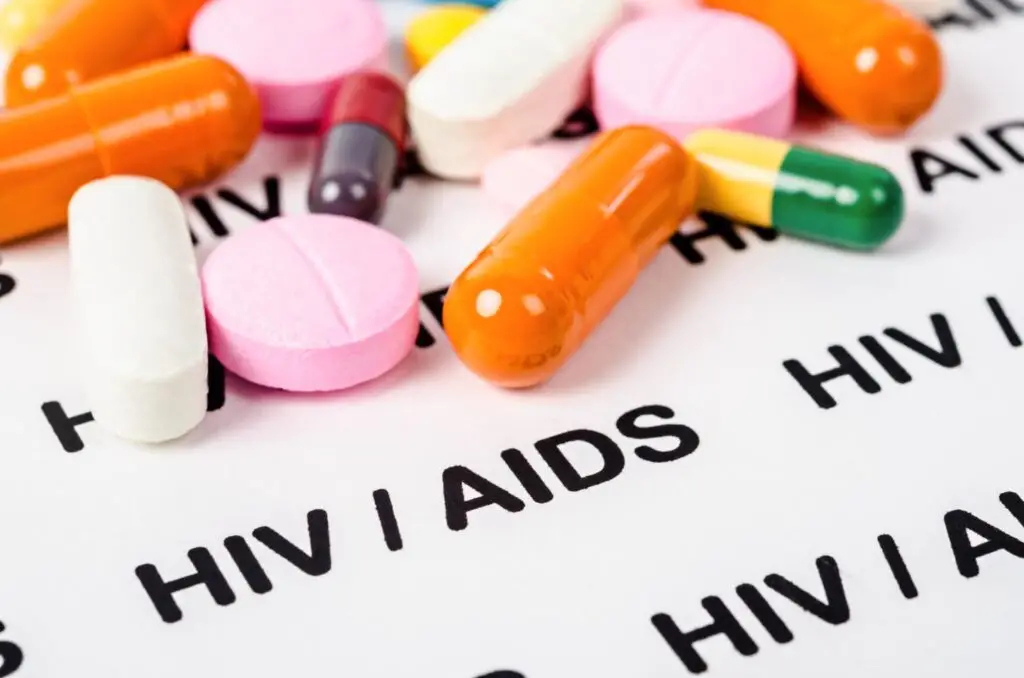
As Antigua’s annual Carnival prepares to welcome throngs of revelers this year, a local woman has stepped forward with a deeply personal, harrowing story to warn partygoers about the irreversible risks of unprotected casual sex during the festive season.
Her ordeal began on Carnival Monday, when she crossed paths with a man while participating in the annual mass parade. The pair bonded quickly, swept up in the infectious energy of Carnival celebrations. The man told her he was an Antiguan who resided in Florida, and after a night of drinking and dancing, the two agreed to spend the night together.
Before this fateful encounter, the woman had not been sexually active for nearly a year. Just prior to the meeting, she had completed a full routine medical check-up and insurance-mandated physical examination, which included an HIV test — all results came back clear. After the Carnival ended, the man returned to Florida, and the woman’s life slowly returned to its normal rhythm until several months later, when she made an unexpected discovery: she was four months pregnant.
Living with polycystic ovary syndrome (PCOS), the woman had long accepted that she would likely never conceive, so the pregnancy news initially filled her with overwhelming joy. She had experienced none of the common early pregnancy symptoms such as morning sickness, which was why her pregnancy went undetected for so long.
But her happiness was cut devastatingly short. Routine prenatal blood work delivered a life-shattering result: she had contracted HIV from the one-night encounter. Shocked but honest, she reached out to the man to share both her pregnancy and HIV diagnosis. Far from showing surprise or remorse, he simply said he would call her back — and never contacted her again.
In the months that followed, the woman entered one of the darkest chapters of her life. She battled severe depression and described herself as completely broken by the betrayal and diagnosis. The only thing that kept her fighting through that period was the unborn child she carried.
Today, the woman has a message of caution rooted in hard-won experience: she says she is endlessly grateful that her daughter was born HIV negative, and calls the little girl her reason for surviving her lowest moments, when she doubted she would be able to go on living.
Now, as Carnival season kicks off across Antigua and Barbuda, she has chosen to share her story publicly to prevent others from suffering the same fate. She urges all revelers not to allow the excitement of Carnival, the influence of alcohol, or the thrill of a new connection to cloud their critical judgment.
“Protect yourself. Make informed decisions. Know who you are with, and never assume someone is safe just because they say so and seem trustworthy,” she emphasized. “One night can change the entire course of your life. I cannot undo what happened to me, but if my story leads even one person to make a safer choice this Carnival season, sharing it will have been worth every bit of vulnerability.”
Her story has spread widely across social media, drawing an outpouring of support and reflection from online users. One commenter wrote, “It takes extraordinary courage to share this story. I am so sorry this happened to you, but by speaking out, if even one person avoids this same tragedy, you have done something truly remarkable. Stay strong, and thank you for sharing.”
Another commenter echoed the warning, noting, “This story perfectly illustrates how a single unprotected encounter during Carnival can lead to life-altering consequences: an unexpected HIV diagnosis, an unplanned pregnancy, and a lifetime of changed health outcomes. When alcohol lowers inhibitions, people often throw caution to the wind, and the critical importance of barrier protection and checking a partner’s sexual health status gets pushed aside. This happens every year, and far too many people learn this lesson the hard way.”
Public health officials and commentators have echoed the woman’s warning, reminding sexually active people that regular testing and open, honest conversations with partners about sexual health status remain the most effective ways to protect both themselves and their partners. As thousands gather to celebrate Carnival this season, the message is clear: keep celebrations fun, but never let excitement override safety.