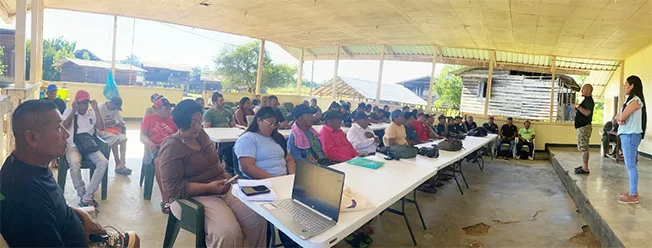
Indigenous traditional authority figures from South Suriname have outlined a clear vision for the region’s long-term sustainable growth: any meaningful progress must center indigenous governance and build equal, collaborative partnerships between local communities, the national government, and civil society organizations. This position was the core outcome of the 2026 annual Trijana Meeting, held from July 22 to 24 in the remote village of Pelelu Tepu.
Gathered under the official theme “Collaboration for Sustainable Development and Empowerment of Indigenous Communities in South Suriname,” the meeting brought together representatives from 11 indigenous villages, alongside delegates from multiple government agencies and leading regional conservation and development groups including the Amazon Conservation Team, Conservation International Suriname, Green Growth Suriname, and Wildlife & People Suriname.
Over three days of deliberation, participants mapped ongoing developments across the region and aligned on shared priorities for South Suriname’s future. Discussions centered on the persistent structural challenges that indigenous communities face, most notably limited access to core public services: basic education, healthcare, reliable transport infrastructure, and other foundational amenities remain out of reach for many residents due to the region’s remote geographic location.
Crucially, attendees emphasized that traditional indigenous knowledge and established local governance systems provide a robust, proven foundation for sustainable stewardship of South Suriname’s ecologically rich landscapes. The meeting’s agenda balanced two interconnected goals: advancing critical nature conservation efforts and driving inclusive socio-economic progress that improves quality of life for local communities. Participants stressed that future development projects cannot focus solely on building new infrastructure; any initiative must be aligned with the self-identified needs and traditional governance structures of the indigenous communities that call the region home.
In a closing statement, Granman Jimmy Toeroeman reaffirmed the collective call for an equal partnership model, where the national government commits targeted investment to expand access to basic public services, and civil society organizations deliver customized support that responds directly to community priorities, rather than imposing external agendas. Toeroeman also underscored the urgency of collective action to secure formal legal recognition of indigenous land rights. “To get our fundamental land rights approved, we must stand together as one indigenous people,” he said. “Not as separate tribes, but as a united community.”