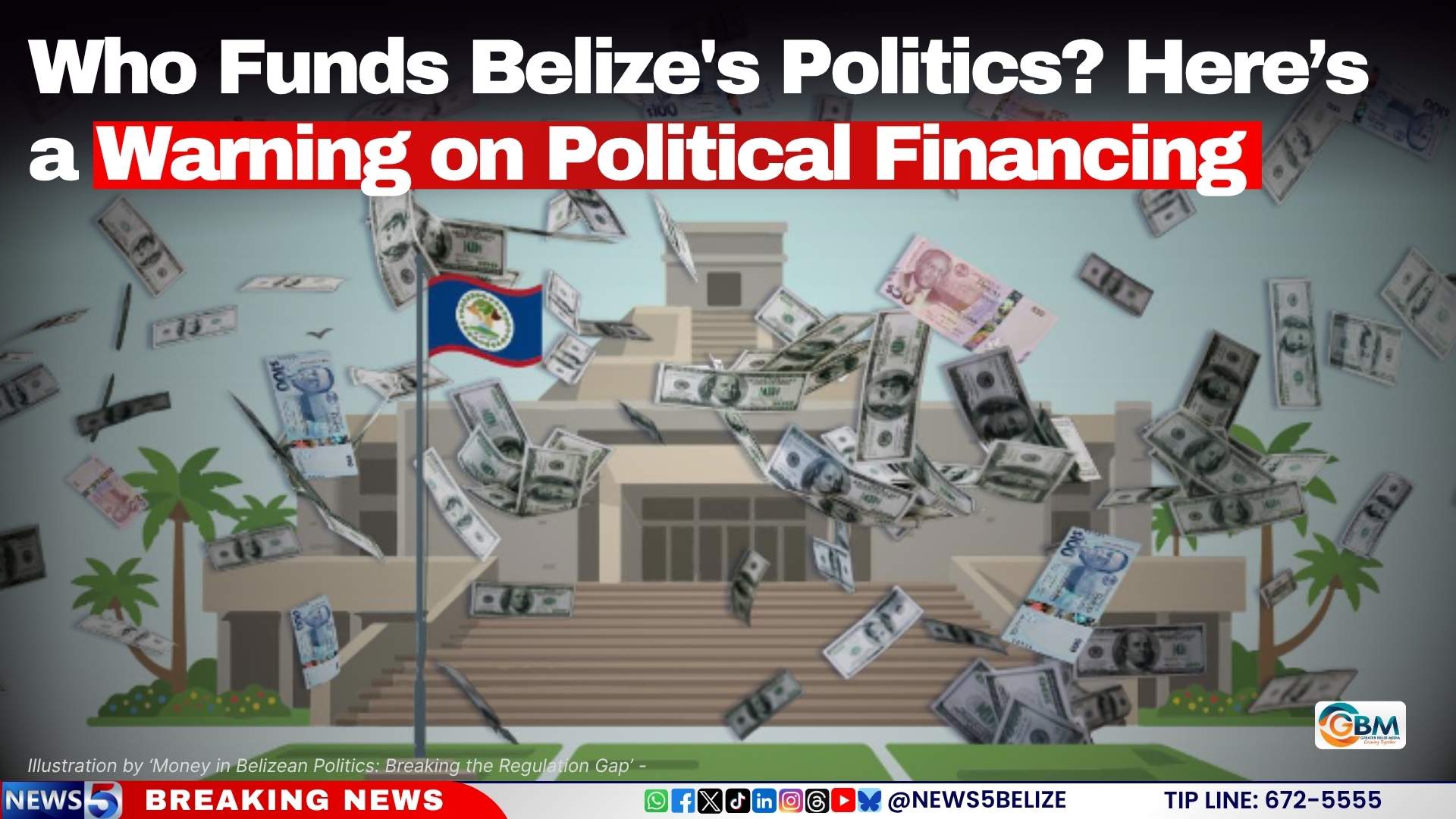
Nearly two years from now, a groundbreaking policy analysis from one of Belize’s leading independent research institutions has sounded a loud alarm over the systemic risks posed by the nation’s incomplete framework for regulating political money. The Belize Policy Research Institute (BELPRI) has released its latest assessment, *Money in Belizean Politics: Breaking the Regulation Gap*, which makes clear that Belize stands out among the global community as one of a small handful of nations without full, binding legislation to oversee the operations of political parties and the funding of their election campaigns.
In an official presentation of the report’s findings, BELPRI Executive Director Dr. Dylan Vernon laid out the core risks of the status quo: without formal regulation of private political donations, the entire political system is left vulnerable to infiltration by illegal interests. He explained that unvetted donations can trace their origins to transnational or domestic criminal activity, and that sitting politicians face constant temptation to bend rules to divert public assets and government services to bolster their reelection efforts through off-book campaign support.
Beyond the risks of private criminal donations, Dr. Vernon highlighted a less discussed but fast-growing channel for unintended political influence: the misuse of existing public constituency spending. Though Belize does not operate an official public campaign financing system, government-controlled development funds already play an outsize role in shaping electoral outcomes through discretionary spending allocations. Currently, two major pots of public money — the longstanding constituency support budget and the newer $6.2 million Constituency Development Fund — are split between the nation’s 31 elected area representatives. Dr. Vernon emphasized that the core concern is not whether these community development funds serve a necessary public purpose, but rather the lack of clear rules governing who controls allocations, how funding decisions are made, and what this discretionary power means for unequal political influence across parties and constituencies.
To address these gaps, BELPRI is calling on Belize’s legislative bodies to move forward with urgent, comprehensive reform. The institute’s top recommendations include introducing mandatory transparency requirements for all political donations, enacting the nation’s first full campaign finance legislation, and building stronger accountability mechanisms to close off opportunities for corruption and undue influence in the country’s electoral process.