This August, Suriname will make national history with its first ever month-long celebration of the country’s shared cultural and historical heritage. Running from August 1 to 31, the debut edition of Heritage Month centers on the unifying theme: “However we came here together, this is how we move forward together.” Organized by a presidential working group, the initiative is designed to grow into an annual national tradition that gives space to every population group and their unique ancestral stories.
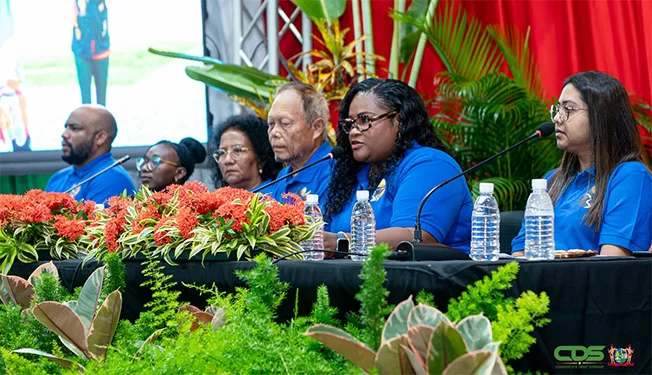
The full event program was officially unveiled to media during a press conference held earlier this week. All activities scheduled throughout the month are framed around three core goals: preserving Suriname’s diverse cultural heritage, fostering public appreciation for the country’s pluralistic history, and passing this shared legacy on to future generations. For organizers, the 2025 launch is not just a one-off celebration — it marks the starting point of a long-term process intended to deepen public knowledge, strengthen cross-community understanding, and build greater connection between Suriname’s many distinct population groups.
Rachel Pinas, chair of the presidential working group, emphasized that Heritage Month will create space for both the uplifting and painful chapters of Suriname’s collective past. “Moving forward together does not mean we forget our history,” Pinas explained during the press conference. “It means we learn about our past, acknowledge it, and use that understanding to build greater empathy and respect for one another.” Pinas stressed that the initiative is not limited to a single community, organization, or government ministry: “This is a national journey where every community that helped shape Suriname deserves to be seen. The stories of smaller, less widely recognized groups also deserve full, equal attention.”
The debut edition of Heritage Month is structured around four core pillars: knowledge and awareness, education and intergenerational transfer, participation and connection, and policy and long-term sustainability. These themes will be brought to life through a diverse lineup of events, including heritage storytelling days at primary and secondary schools across the country, a mini academic conference hosted by Anton de Kom University of Suriname, youth-focused activities, the One Heritage Policy Symposium, an interactive Heritage Village experience, and multi-platform public media and awareness campaigns.
Organizers acknowledge that a single 31-day month is not enough to fully capture the depth and breadth of Suriname’s full history and cultural richness. That is why the working group has laid out plans for the event to become an annual, evolving celebration that grows in scope and community support each year. The first two weeks of this year’s inaugural event will focus primarily on knowledge sharing and academic exploration, before shifting to inclusive public programming. The third weekend of August will feature a large-scale cultural gathering in Suriname’s historic inner city, paired with a national culinary festival highlighting food traditions from across the country’s diverse communities.
International partners have also been invited to contribute to the program. Embassies from nations including India, China, and Indonesia have collaborated with organizers on programming for the month, and will participate with their own cultural presentations and performances, highlighting the global roots of Suriname’s modern national identity.