As crowds of locals and tourists flood the streets of St. John’s for Antigua and Barbuda’s iconic annual Carnival, the national AIDS Secretariat has issued an urgent public call for responsible sexual behavior to curb preventable HIV transmission during the weeks of festival activity.
The celebration kicked off in earnest on Saturday, opening with a vibrant parade and the popular T-Shirt Mas procession through the capital’s downtown core. Over the coming days, the festival will host a packed lineup of musical concerts, competitive performances, cultural showcases, and open-air street events that are projected to draw tens of thousands of attendees from across the country and around the Caribbean. While much of the celebration has proceeded as planned, organizers announced a last-minute schedule shift: the popular Junior Carnival, originally slated for Sunday, has been rescheduled to Wednesday after unseasonable severe weather made outdoor events unsafe.
In her public appeal, Delcora Williams, manager of Antigua and Barbuda’s national AIDS programme, emphasized that the increased social mixing and celebratory atmosphere of Carnival should not lead residents and visitors to let their guard down when it comes to sexual health. Williams outlined clear, actionable steps for people to protect themselves from HIV infection, starting with consistent condom use for anyone who is unsure of their sexual partner’s HIV status. She also highlighted the underused prevention tool of pre-exposure prophylaxis, more commonly known as PrEP, as a reliable option for people engaging in new or casual sexual encounters during the festival period.
“PrEP is a daily medication that can prevent you from contracting HIV, whether you’re going on a date, attending a late-night party, or taking part in any of the exciting activities Carnival brings this season,” Williams explained in her public statement.
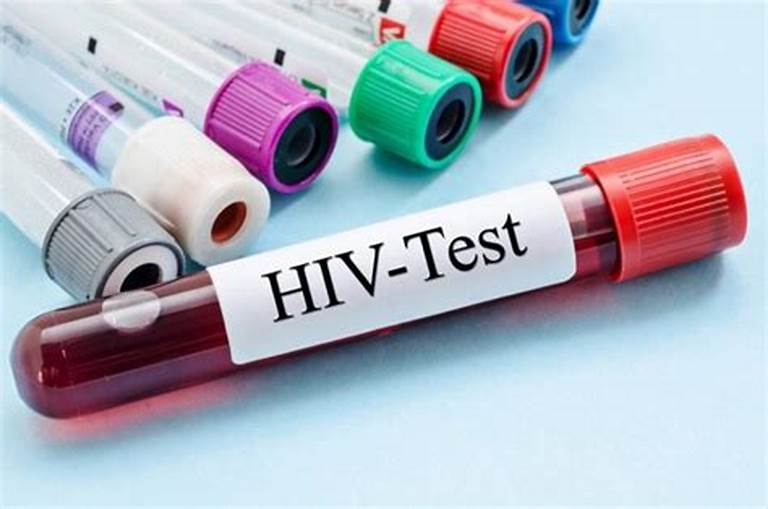
This public health reminder aligns with Antigua and Barbuda’s broader national strategy to address HIV/AIDS, which combines widespread public education, free and accessible testing, expanding prevention services, and universal access to life-saving treatment. Health authorities across the country continue to prioritize encouraging all residents to get tested regularly to know their HIV status, and to seek early medical care if a test returns positive.
The national effort is part of a coordinated regional push across the Caribbean. Governments and public health agencies throughout the bloc are working collectively to cut the rate of new HIV infections, expand affordable access to antiretroviral treatment, and combat the persistent social stigma surrounding HIV. This stigma remains a major barrier to progress, as it often discourages at-risk people from getting tested or seeking the care they need.
Globally, medical and public health advances have dramatically strengthened the international fight against HIV/AIDS over the past two decades, from more effective prevention tools like PrEP to better-tolerated, more accessible treatment regimens. Even with these gains, global and regional health authorities continue to stress that foundational public health measures — sustained public education, regular routine testing, consistent adoption of safer sexual practices, and equitable access to high-quality healthcare for all — remain irreplaceable if the world is to achieve the goal of ending AIDS as a major public health threat.