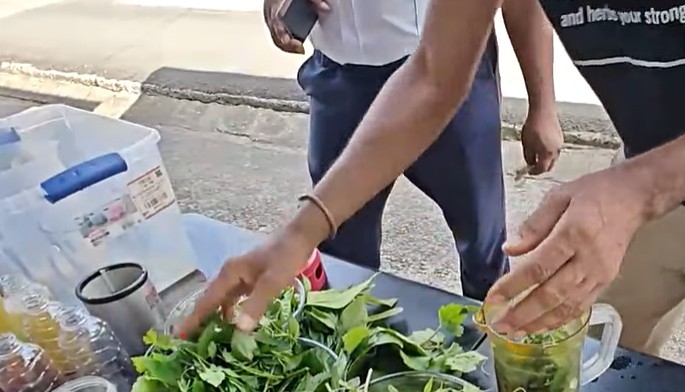
A new community wellness initiative hosted by Roots Herbal is pushing Dominicans to turn to the Caribbean island’s abundant native natural resources to build healthier daily habits, with organizers arguing that wider adoption of local herbs and fresh, homegrown produce could dramatically lower the high national death toll from non-communicable diseases (NCDs).
Dr. Paula Lockhart, a noted researcher, author, and natural wellness educator, laid out the core mission of the Exchange and Engage Roots event during the gathering on King George V Street. She explained that the project was created to reconnected local communities with Dominica’s deep natural wellness heritage, drawing on centuries of traditional knowledge around herbal medicine, native cane juice, and long-standing holistic health practices.
The one-day event featured tastings of handcrafted herbal teas, custom blends of fresh herbs and cane juice, and interactive educational activities for children. Young attendees left the event with healthy, plant-based refreshments and new knowledge about the medicinal plants that grow across the island.
Lockhart emphasized the urgent public health context driving the campaign: across Dominica and the wider Caribbean region, non-communicable conditions including type 2 diabetes, hypertension, various forms of cancer, and chronic kidney disease are responsible for an estimated 75 to 80 percent of all annual deaths. “We have everything we need right here to be healthy, by nature and in nature,” Lockhart told attendees, urging all Dominicans to center natural wellness in their personal and family health routines.
She also pushed local families to shift their grocery habits away from heavily processed imported foods, pointing out that Dominica holds all the natural resources and generations of traditional knowledge required to support dramatically better population health outcomes.
As a key educational component of the initiative, organizers distributed a custom children’s colouring and activity book that profiles common native medicinal plants, including purslane, broadleaf plantain, and blue vèrvenn. The book is designed to introduce younger generations to the island’s long history of natural home remedies, ensuring traditional knowledge is passed down to future community members.
Ronald Dejean, a practicing local herbalist, added that the event included hands-on, practical demonstrations for attendees walking through how to prepare fresh herbal juices and therapeutic medicinal drinks using plants that can be foraged or grown easily across the island. Participants learned which native herbs have traditionally been used to manage symptoms of high-risk conditions like hypertension and diabetes, and got the chance to sample unique fresh herb and cane juice blends created during the demonstrations.
Dejean reported that public engagement with the event far exceeded expectations. “The response from the public was very positive,” he said. “People were delighted with the taste and are looking forward to more of this innovation when it comes to herbal medicines.”
Dejean stressed that herbal medicine should not be seen only as an alternative treatment for existing illness, but as a accessible preventive tool to maintain long-term whole-body health. The public demonstrations were specifically designed to demystify herbal remedy preparation, showing locals that most treatments can be made with ingredients already growing in home gardens or available in local community kitchens, while reinforcing how critical it is to educate the public about the unique medicinal properties of native Dominican plants.
He also highlighted *Nature’s Treasure*, the children’s colouring book produced by Roots Herbal specifically for the initiative, which frames native plants and their traditional uses in an accessible, engaging format for young readers.
Both Lockhart and Dejean closed by urging members of the public to continue supporting the ongoing initiative, which aims to empower Dominicans with actionable natural wellness knowledge while building greater public appreciation for the island’s extraordinary, underutilized herbal biodiversity.