Five years after Antigua and Barbuda passed its comprehensive Tobacco Control Act, which introduced strict restrictions on smoking in public spaces, a concerned citizen is calling out authorities for apparent inaction during one of the nation’s biggest annual public events.
When the 2018 legislation was enacted, it codified broad smoking bans: not only does it outlaw tobacco use in enclosed public areas, work sites, and public transit, but it also extends these protections to high-traffic outdoor gathering spots, including recreational parks, children’s playgrounds, sports facilities, and public entertainment venues. Carnival, the country’s flagship public celebration, falls directly into this last prohibited category.
On the opening Saturday of this year’s Carnival, tens of thousands of attendees from all demographic groups flooded event grounds—among them young children, elderly residents, and people living with chronic respiratory conditions, all of whom are especially vulnerable to the harmful effects of secondhand smoke. For these attendees, navigating the event meant constantly moving through thick plumes of cigarette smoke, despite legal protections that are supposed to prevent exactly this outcome.
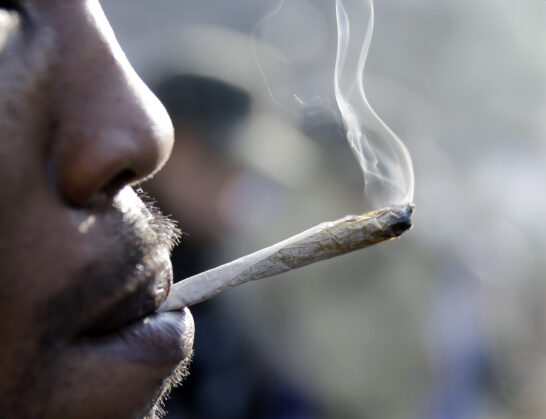
The opening day of Carnival presented a clear, high-profile chance for local law enforcement and public health officials to prove that the national tobacco control law applies equally to large-scale celebrations as it does to regular daily life. Instead, witnesses observed smokers lighting up and smoking openly in the middle of dense crowd areas, with zero visible intervention from the officers and officials tasked with upholding the ban.
This lack of action has prompted a series of pressing questions for responsible authorities: Were any verbal or written warnings issued to people violating the ban? Were any offenders formally reported or charged with breaking the law? Were required “No Smoking” warning signs posted throughout official Carnival event zones? Did event leadership remind vendors, band leaders, and organizers of their legal obligations to enforce the ban on their premises?
These questions carry extra weight in light of recent public statements from authorities, who recently reiterated that people caught smoking in prohibited public areas could face arrest and a court appearance. That strong official rhetoric stands in stark contrast to the total lack of enforcement seen during Carnival’s opening.
A public health law that remains unenforced and exists only as text on a page provides no meaningful protection to the public. If smoking is officially banned at all public entertainment venues, that ban cannot be quietly set aside just because a major annual celebration like Carnival gets underway. Selective enforcement—only upholding public health rules when it is convenient for authorities—undermines the entire purpose of the legislation, which is designed to protect all community members from harmful secondhand smoke.
Moving forward, the writer calls on three key stakeholders—the Ministry of Health, national police forces, and Carnival organizing committee—to take immediate corrective action for the remaining days of the celebration. These groups should clearly mark all prohibited smoking zones across event grounds, publicly outline what enforcement measures will be used to uphold the ban, and follow through on penalties for violations.
Carnival does not need to allow public smoking to remain a vibrant, joyful celebration for attendees, the writer argues. Non-smokers and children should not be forced to breathe toxic secondhand smoke to participate in a public event organized for the entire community. The law has already been written and passed; what the public now awaits is clear proof that authorities are committed to upholding it.