Suriname’s government has laid out an ambitious national energy goal: by 2030, every resident across the country — including those living in the most remote inland villages — will have access to reliable 24-hour electricity, with a clear focus on sustainable energy solutions to power the expansion.
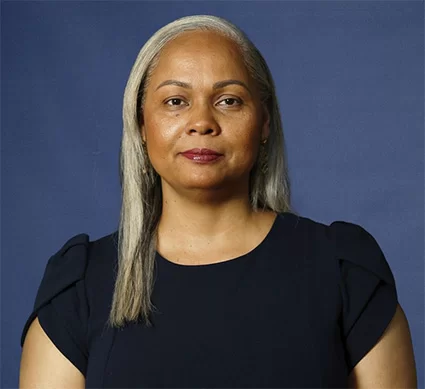
Valerie Lalji, Director of Energy at Suriname’s Ministry of Natural Resources, outlined the strategy in official comments shared via the Suriname Communication Service, noting that solar power is currently the most cost-effective renewable option for bringing electricity to hard-to-reach inland communities. Over the past six years, working in partnership with international development partners, the government has already connected approximately 70 remote villages to round-the-clock power supply. Even with this progress, dozens of inland communities still remain without consistent access to electricity.
“Our ministry’s core goal is to ensure that every person in Suriname, no matter where they reside, has access to electricity by 2030,” Lalji stated. Multiple new electrification projects have already been finalized and submitted for funding approval, and once financing is secured, work will begin to connect the remaining unpowered villages.
To date, the solar energy systems installed in connected communities are currently sized only to meet the residential electricity demand of local households, leaving small local businesses without access to the grid. Lalji confirmed that the government notified local entrepreneurs of this limitation early in the rollout, and expanding system capacity to support commercial use will require additional targeted investment capital.
A centerpiece of the government’s updated plan to address this gap and advance full electrification is the BioSweet initiative, an integrated development program designed exclusively for Suriname’s inland regions. Unlike earlier projects that focused solely on residential power, BioSweet will not only deliver continuous electricity access but also improve access to clean drinking water, expand telecommunications infrastructure, and strengthen local economic development. Critically, the program is engineered to accommodate connections for small local enterprises, a gap left by earlier electrification work. According to current planning, the BioSweet project is scheduled to officially launch in August.
Lalji emphasized that meeting the 2030 full electrification target depends on coordinated collaboration across multiple stakeholders, including national oil company Staatsolie, utility provider Energie Bedrijven Suriname (EBS), the Ministry of Natural Resources, the Ministry of Oil, Gas and Environment, and the domestic private sector. Additional investment will also be required to expand EBS’ overall power generation and distribution capacity across the country.
“If all planned projects proceed according to our timeline, we will be able to deliver sustainable, affordable electricity to every person in Suriname by 2030,” Lalji said.