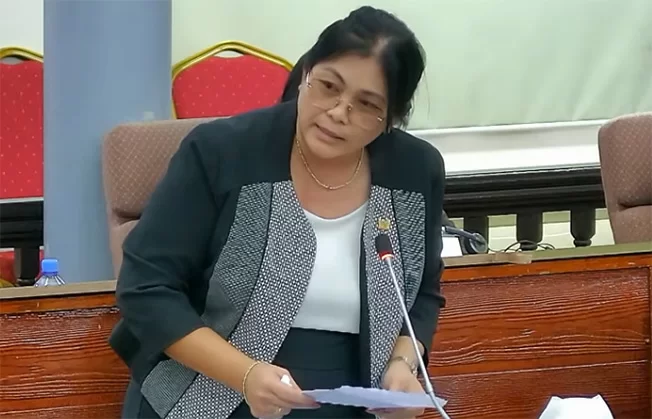
A ruling party lawmaker in Suriname has publicly pressed the national government to provide greater transparency around a newly released list of products barred from import into the country, pointing out that critical agricultural inputs are included on the restricted register. Natalie Amatmohamed, a member of the National Assembly for the VHP party, raised the issue during a Thursday parliamentary sitting, questioning whether potential harms to local farmers and national food output were adequately considered when the executive order creating the ban was drafted.
Amatmohamed’s questions extend beyond basic clarity: she is demanding answers on whether the responsible ministry has made viable alternative products available to producers to replace the now-banned imports, whether a phased transition period has been put in place to allow farmers to adjust, and whether key agricultural industry groups and other stakeholders were consulted before the list was finalized.
The parliamentarian emphasized that she does not oppose restrictions on chemicals proven to be harmful or dangerous to public health or the environment. Instead, she argues that any such regulatory measure must be communicated clearly to affected groups in a timely manner, with proper advance planning to avoid disrupting critical food production.
This need for careful coordination is amplified by the growing impacts of climate change on Suriname’s agricultural sector, Amatmohamed noted. Shifting weather patterns have led to more frequent outbreaks of fungal diseases and other crop pathogens, leaving smallholder and commercial farmers alike reliant on targeted pest and disease control products to protect harvests.
In closing, Amatmohamed called on the Suriname government to conduct a full re-evaluation of the potential impacts of the new import ban, and to center national food supply and long-term food security as core priorities during the review process.