A months-long delay in official explanations for a widespread mass fish death event in Suriname’s main river has drawn sharp criticism from a leading opposition lawmaker, who is pressing the national government to break its silence and deliver urgent clarity for affected communities.
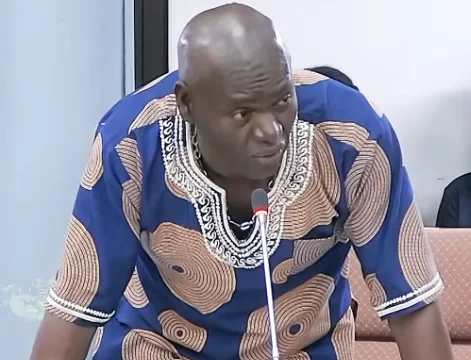
Ronny Asabina, parliamentary faction leader of the Brotherhood and Unity in Politics (BEP) party, raised the alarm during a plenary debate on current affairs in Suriname’s National Assembly Thursday, highlighting that more than four weeks have passed since the mass mortality was first reported, and local households still have no answers about what caused the disaster.
For riverine communities living along the Suriname River and its surrounding creeks, fishing is far more than a recreational activity: it is the primary source of both daily food and household income. Since the fish die-off was recorded, however, residents have been forced to avoid consuming fish and other aquatic resources from the area, leaving them grappling with severe immediate economic and social hardship that has only worsened as the government’s investigation drags on.
Asabina emphasized that to date, the Surinamese government has not released any public update on the progress of its promised investigation, nor has it confirmed a definitive root cause for the mass fish deaths. The BEP leader called on authorities to immediately share full, transparent updates with impacted communities, putting an end to the costly delays that have left residents in limbo.
A petition on the issue was already submitted to the national legislature earlier, Asabina noted, adding that local residents have a fundamental right to protection and certainty about the safety of both their living environment and their primary food supply. He further stressed that if an investigation finds the fish die-off was the result of human activity – including negligence, illegal dumping of toxic waste, or other criminal acts – authorities must pursue action not just administratively, but through criminal law.
“Any parties found responsible for this disaster must be identified and prosecuted to the full extent of the law,” Asabina told lawmakers.
The BEP leader did not hold back in criticizing the government’s slow response, accusing the administration of stalling and avoiding clear answers for weeks, even as the human and economic costs of the disaster continue to mount for vulnerable riverine communities.