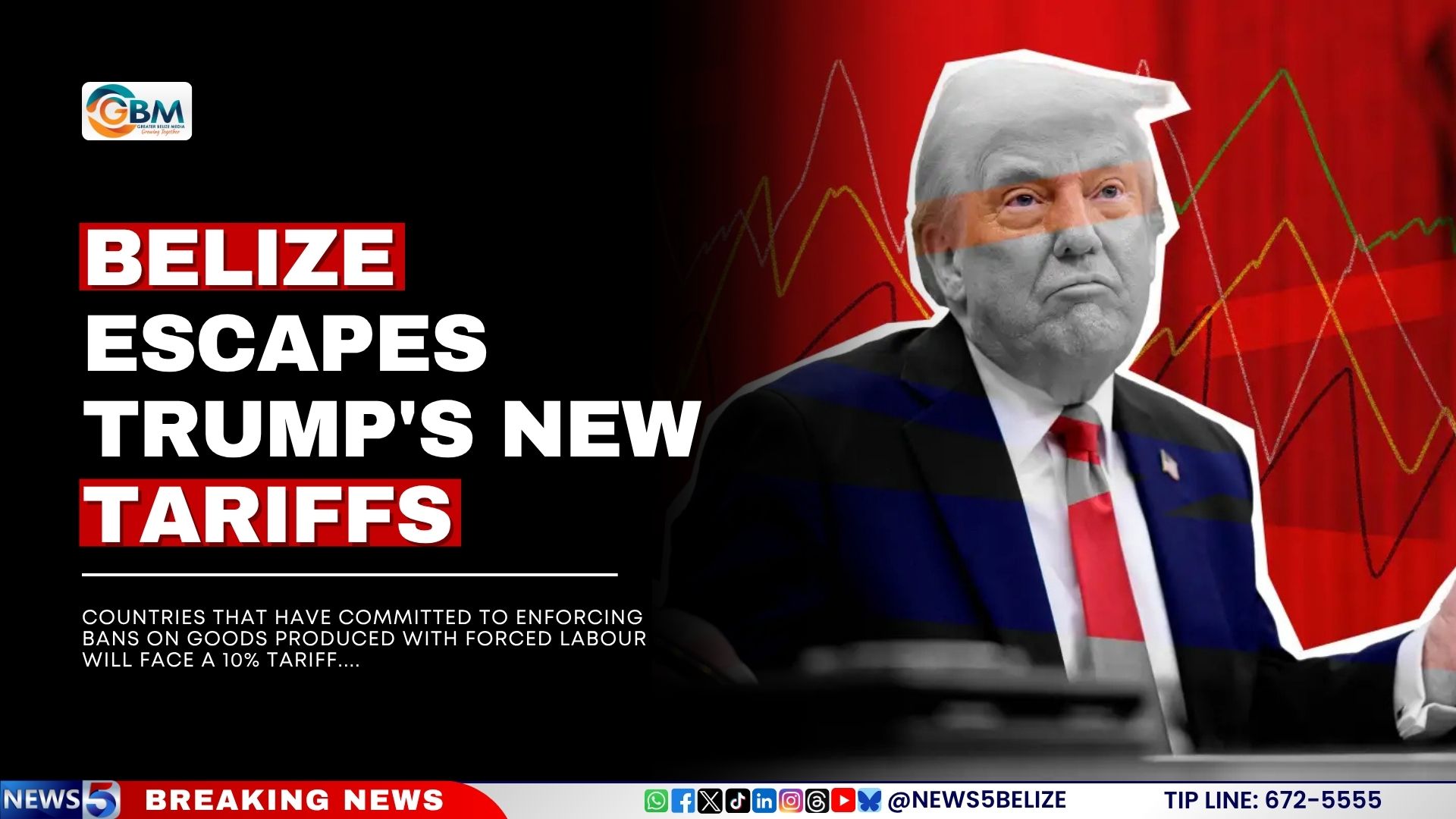
In a major escalation of the Trump administration’s trade policy agenda, the United States has enacted a sweeping new round of import tariffs targeting 60 of its largest global trading partners, covering nearly all goods flowing into American markets. Effective July 24, 2026, the measures kicked in immediately after a previous temporary tariff regime expired, imposing duties ranging from 10% to 12.5% on imports from major economies including China, the United Kingdom, the European Union, Japan, Australia and Brazil. Notably, the small Central American nation of Belize has been left off the target list, escaping the new trade measures entirely.
The Trump administration has framed the tariffs as a tool to pressure global trading partners to crack down on forced labor in cross-border supply chains. The tariff structure is tiered to reflect each country’s progress on enforcement: nations that have made formal commitments to ban goods produced with forced labor face the lower 10% duty, while jurisdictions deemed to have insufficient enforcement efforts face the steeper 12.5% rate.
This latest round of tariffs forms a core pillar of President Donald Trump’s broader economic strategy, which prioritizes cutting the U.S. trade deficit and expanding domestic American manufacturing. This policy focus has remained a central priority for Trump since he returned to the presidency in 2025.
While Belize has avoided direct impact from the new measures, economists warn the tariffs will send ripple effects across the entire global trade system. Analysts project the duties will push up operational costs for U.S. businesses and raise prices for American consumers, and may also prompt many countries around the world to deepen alternative trade partnerships that reduce their economic reliance on the United States.