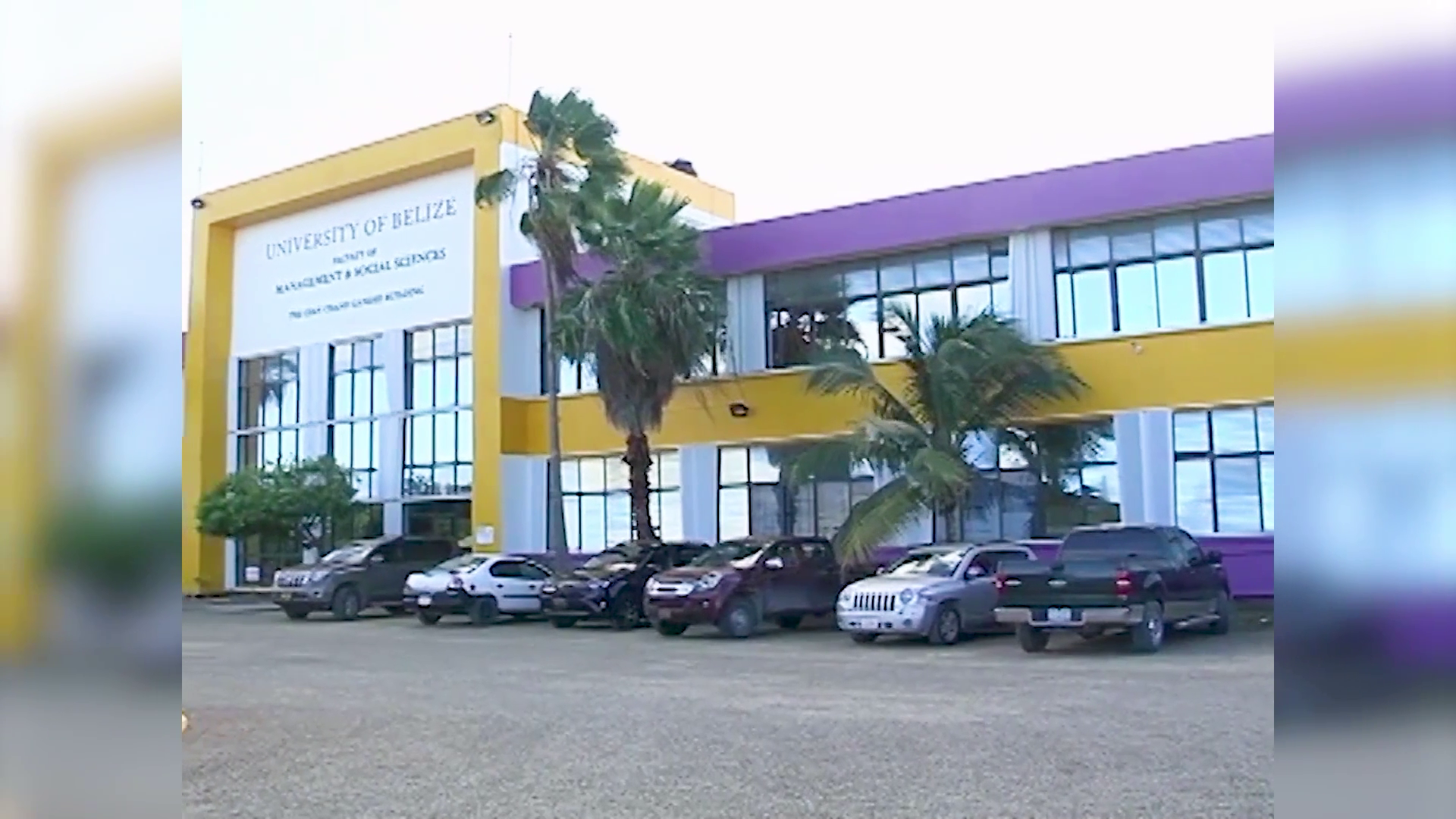
Years of systematic institutional upgrades have culminated in a landmark step for the University of Belize (UB), which formally submitted its Application for Accreditation Candidacy to the Southern Association of Colleges and Schools Commission on Colleges (SACSCOC) on July 23, 2026. This move paves the way for international validation of UB’s degree programs, unlocking expanded academic and professional opportunities for its current students and graduates across the globe.
According to UB President Dr. Vincent Palacio, the university dedicated four years to rigorous internal improvements ahead of the submission, overhauling key areas including faculty qualification standards, institutional governance frameworks, policy development, and institutional-wide quality assurance mechanisms. After years of incremental upgrades, institutional leadership confirmed that the university has met the preliminary requirements to launch the formal accreditation process.
“After four years of targeted work to align our operations with international standards, we are ready to put our application forward,” Dr. Palacio explained in an interview following the submission. “We have systematically reviewed every requirement, from faculty credentials to program evaluation protocols and quality assurance frameworks, and we are confident in the progress we have made.”
Following the application submission, the next phase of the process will bring a team of SACSCOC assessors to UB’s campus for an on-site verification review, where evaluators will confirm that the university’s stated practices match its actual operations before a final decision on accreditation candidacy is rendered. Dr. Palacio emphasized that the milestone represents a transformative shift for the institution, addressing a longstanding barrier that has impacted UB students for years.
For students and graduates, the international accreditation will deliver immediate, tangible benefits by dramatically boosting the global credibility of UB degrees. Currently, many transfer applicants from UB face extra hurdles when seeking to move credits to international universities, with admissions departments regularly requiring additional course documentation or rejecting transferred credits entirely due to the lack of formal international accreditation. Once accredited, this barrier will be largely eliminated.
“Right now, when our students try to transfer to other international institutions to complete a bachelor’s degree after an associate program at UB, or pursue graduate study after earning their undergraduate degree here, the first question they get is whether their home institution is accredited,” Dr. Palacio noted. “With this accreditation, there will be no question. Students will no longer need to submit detailed course outlines for individual credit reviews; institutions will immediately recognize UB’s credits because of the international stamp of approval from SACSCOC.”
In a separate, parallel development, UB’s medical school is also advancing its own international accreditation push, pursuing validation from the Caribbean Accreditation Authority for Medicine and Other Health Professions. That process could only launch after the school completed its first full cycle of student enrollment and graduation, putting it on track for evaluation in the coming years.
This report is a transcribed excerpt from an evening television newscast covering the announcement.