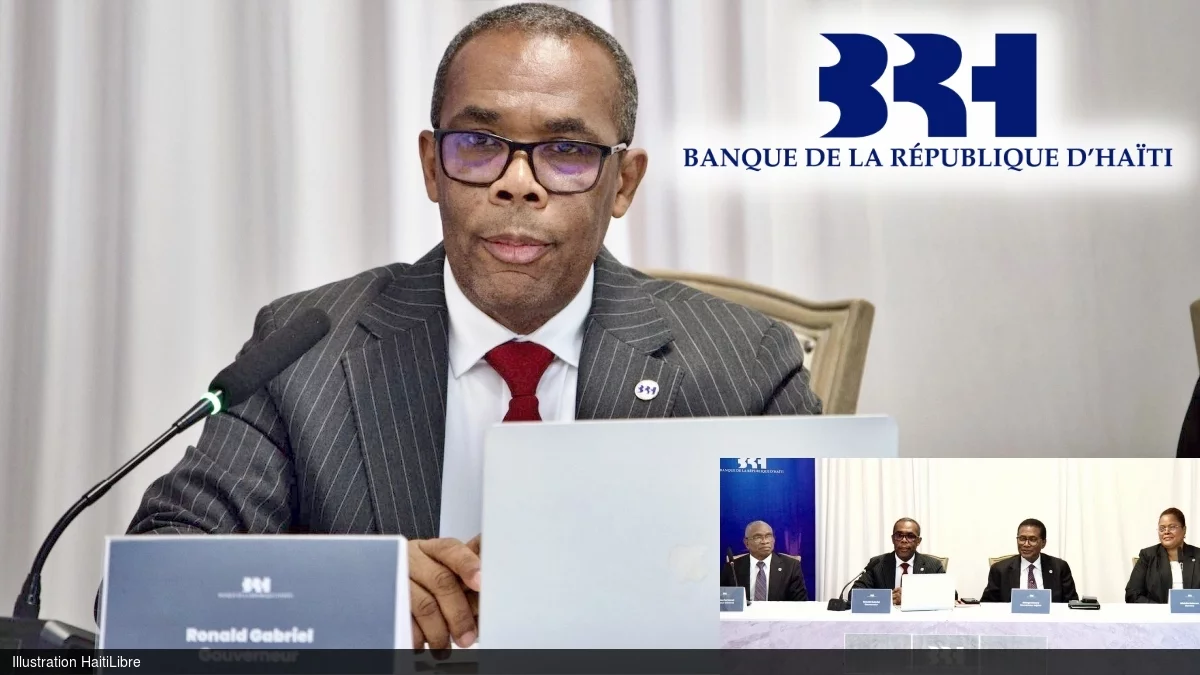
On July 21, 2026, Ronald Gabriel, the Governor of the Bank of the Republic of Haiti (BRH), hosted a public press conference to deliver a comprehensive assessment of the country’s current macroeconomic and financial landscape, while outlining the central bank’s upcoming monetary policy direction.
During the briefing, Gabriel outlined a series of key positive gains that the Haitian financial sector has achieved in recent years. Most notably, the country has sustained a steady disinflation trend that has eased cost pressures for households and businesses. In addition, the national exchange rate has held nearly three years of consistent stability, a rare and critical achievement for a small developing economy facing ongoing structural challenges. The central bank has also built up stronger international reserve buffers to shield against external economic shocks, while the domestic banking system has demonstrated unexpected resilience through periods of uncertainty.
Beyond reviewing current economic conditions, the BRH governing board also walked through the central bank’s ongoing priority projects. These include a sweeping initiative to modernize Haiti’s outdated national payment system, upgrades to banking regulatory frameworks to improve oversight and risk management, and targeted structural reforms to crack down on money laundering and terrorist financing. The central bank has also prioritized expanding access to financial services for unbanked communities and boosting access to affordable capital for small and medium-sized enterprises (SMEs), which form the backbone of Haiti’s informal and formal economy.
A key topic of discussion during the conference was the progress Haiti has made on its action plan to exit the Financial Action Task Force (FATF) grey list, a designation that has restricted the country’s access to global financial markets in recent years. The governing board noted that ongoing reforms have put the country on track to meet FATF’s requirements, though work remains to solidify those gains.
Looking ahead, the BRH leadership emphasized that long-term economic growth and stability remain tightly tied to improvements in Haiti’s fragile security situation. Despite ongoing headwinds, Gabriel reaffirmed the central bank’s unwavering commitment to maintaining a prudent monetary policy framework, continuing to advance macroeconomic stability, and rebuilding public and investor confidence in Haiti’s domestic financial system.