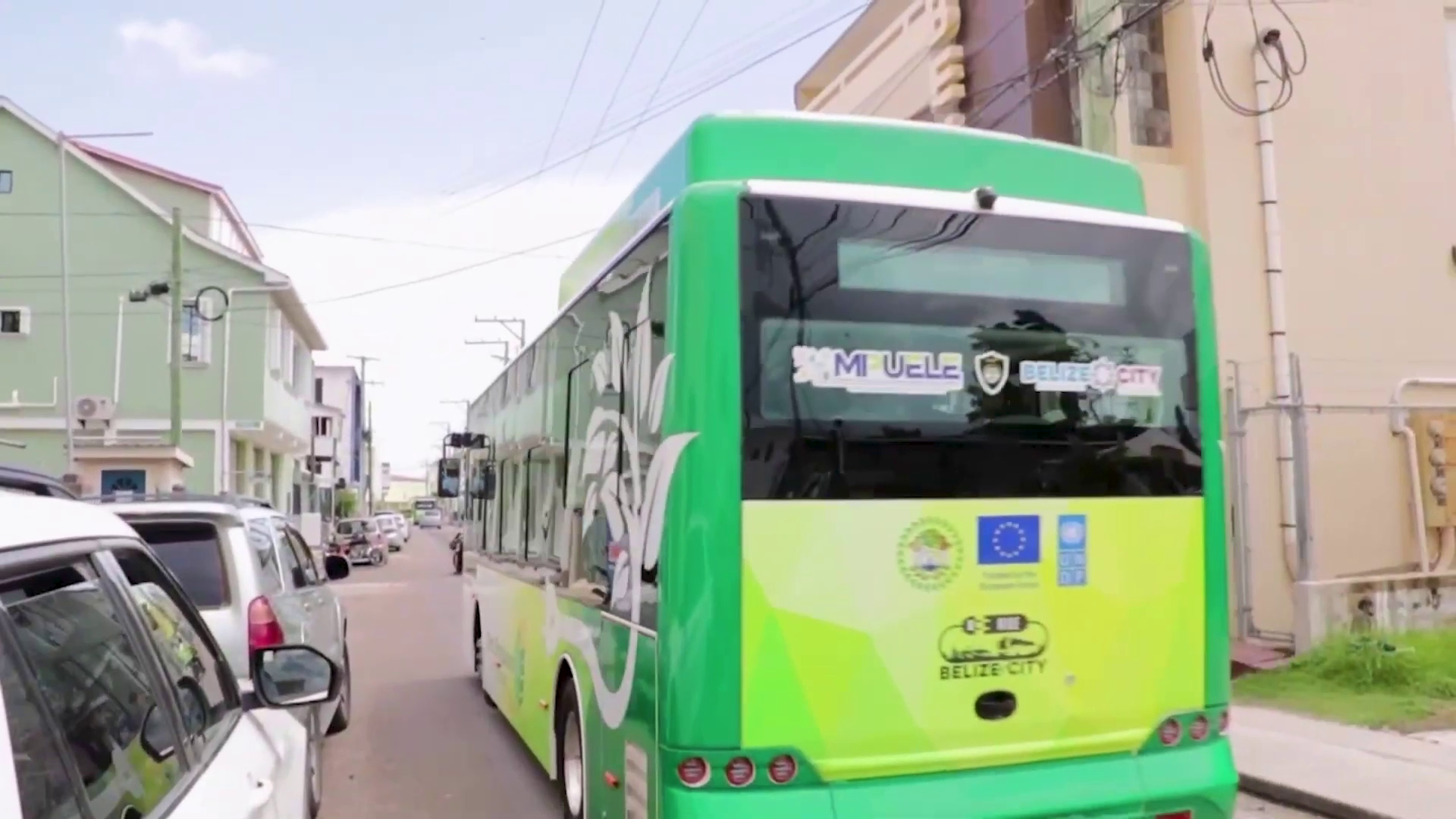
On July 22, 2026, Belize City celebrates the second anniversary of its pioneering e-Ride electric bus program, a initiative that launched amid widespread public doubt to become one of the municipal government’s most successful public transit projects in modern history.
When the program debuted on July 22, 2024, it operated with just two pilot electric buses. Two years on, official data from the Belize City Council shows the service has delivered nearly 384,000 passenger trips, with more than 100,000 of those rides taken by senior citizens who access the service through a heavily subsidized $1 fare. Ridership has continued a steady upward climb, hitting record daily volumes as more residents embrace the clean transit option, while the program has already cut hundreds of tons of carbon emissions and slashed long-term operating costs compared to traditional fossil fuel-powered buses.
Mayor Bernard Wagner shared that the program has outperformed every initial projection, delivering tangible benefits to both daily commuters and the local environment. “When we launched this, many people questioned if it would work for our city. Today, it’s clear this project has been a total game-changer,” Wagner said in an interview, updating earlier published figures that undercounted total ridership through the end of June.
The program’s tiered fare structure – $3 for general adult riders, $2 for students, and $1 for seniors – is designed to cross-subsidize discounted rates for vulnerable groups, with full-fare payments covering the reduced costs for students and elderly residents. A independent feasibility study conducted by Dr. Curtis Voodoo, an e-mobility expert contracted by the United Nations Development Programme (UNDP), compared the performance of electric buses against traditional internal combustion engine (ICE) vehicles. The analysis confirmed that electric bus operations cut overall costs by 41% compared to running fossil fuel-powered transit. The study also found that the two electric buses currently in service deliver carbon savings equivalent to removing 90 gas-powered passenger vehicles from Belize City’s roads every year.
Public reception to the e-Ride program has been overwhelmingly positive, with particularly strong support from students, women, and senior residents. The program has even captured the imagination of local young people: 11-year-old student Emory loved the e-buses so much that he wrote a full children’s book about the service, a testament to its widespread cultural impact.
Buoyed by the program’s early success and consistent profitability, the Belize City Council has already begun moving forward with plans to expand the e-bus network. The municipal government is currently in the process of acquiring three additional electric buses, which will be used to extend service to underserved neighborhoods including Central American Boulevard, Jane Ussher, Yabra, Pen Road, Fabers Road, and Belama Phases 4 and 5.
Wagner noted that sourcing and delivering electric buses can take extended lead times, but expressed hope that the new vehicles will enter service before the end of his current mayoral term. The original two pilot buses were provided through a grant-funded program supported by the European Union, and the expansion will be fully funded by revenue generated from the e-Ride service itself, demonstrating the program’s long-term financial sustainability.
This report is adapted from a transcript of a televised evening news broadcast.