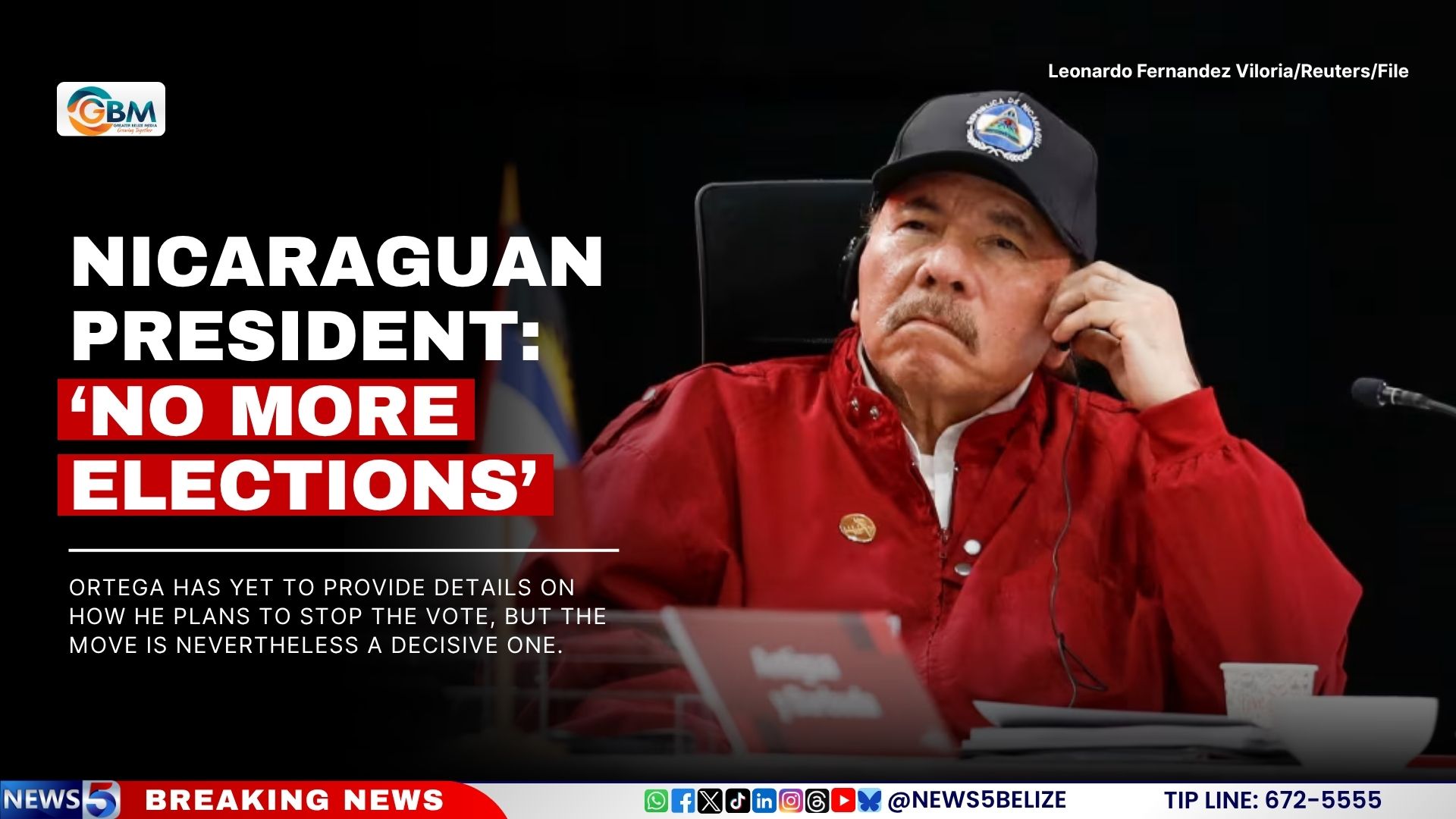
On July 21, 2026, at an official ceremony marking the 47th anniversary of the Sandinista Revolution, 80-year-old Nicaraguan President Daniel Ortega made a landmark announcement that has sent shockwaves across global political circles: there will be no more democratic elections in the Central American nation moving forward. This appearance marked Ortega’s first public address in two months, and the announcement solidifies a years-long power grab that has steadily eroded democratic norms in Nicaragua.
Ortega, who has held uninterrupted control of the Nicaraguan government since 2007, framed the end of elections as a necessary defensive measure to protect national sovereignty from what he frames as internal enemies. He labeled opposition figures “coup plotters” and “traitors who sell out their country,” arguing that halting electoral processes would prevent these groups from attempting to seize state power. The next presidential vote had been formally scheduled for 2027, but Ortega’s statement has effectively erased that planned democratic process entirely.
The move is far from an unforeseen shift, but rather the culmination of years of systematic consolidation of authoritarian control by Ortega and his wife, Rosario Murillo, whom he appointed as co-president in 2025. Following that appointment, Ortega delegated authority over most of the government apparatus to Murillo, including command of the armed forces and oversight of the national judiciary. He has also overseen a series of constitutional reforms that extended his presidential term and transformed Nicaragua into a de facto one-party state, where any political dissent carries severe consequences: opponents have been routinely jailed, killed, or forced into exile.
The 2021 election, the last national vote held in Nicaragua, offered a clear preview of Ortega’s current actions. Ahead of that vote, he ordered the imprisonment of all major opposition candidates and formally outlawed key opposition parties, clearing the way for his easy re-election. Felix Maradiaga, a former opposition presidential candidate who was jailed before ultimately being exiled to the United States, told reporters that Ortega’s latest announcement merely brings his long-held intentions into public view. “Ortega publicly acknowledged what has always been his true intention: to prevent his tyrannical project from being subjected to any form of democratic competition,” Maradiaga said.
Ortega’s administration has faced widespread international condemnation for years over its brutal crackdown on dissent. The United Nations Human Rights Council has formally accused the government of systematic, widespread human rights abuses, a charge backed by extensive evidence of systemic violence and extrajudicial killing used to suppress anti-government protests and any perceived challenges to Ortega’s rule.
To date, Ortega has not released specific details on how the government will formally codify the end of elections, but political analysts agree that the announcement is a definitive step toward entrenching full authoritarian rule. Many international analysts interpret the move as a response to growing underlying insecurity among Ortega and Murillo, rather than a show of strength. Tiziano Breda, senior analyst at the Armed Conflict Location & Event Data Project, noted that the decision reveals a deep fear of even limited political opening. “Ortega and Murillo are evidently afraid of the idea that the slightest political opening could create the conditions for dissent to manifest and threaten their grip on power,” Breda explained. For observers, the announcement confirms what many have argued for years: that Ortega rules Nicaragua as an unaccountable dictator, with no intention of ever allowing democratic competition to challenge his hold on power.