Across the Bahamas, skyrocketing living costs have reshaped the nation’s labor landscape, pushing growing numbers of locals to balance multiple roles and launch small side businesses just to cover basic expenses. Workers and industry leaders across the country now agree that a single traditional 9-to-5 income is no longer sufficient to sustain most households.
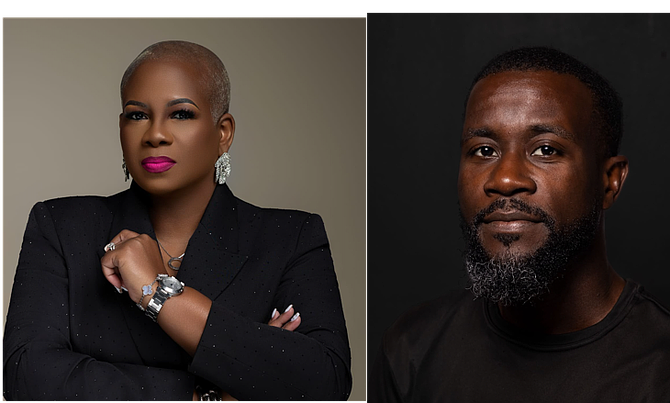
For some Bahamians, these side ventures have gradually grown into full-time, self-sustaining careers. For others, they remain a critical financial buffer that helps cover monthly utility bills, support extended family members, and bridge gaps between paychecks. Kendenique Deleveaux, founder of communications and project management firm Mommy Hustle, opened her business out of urgent necessity after losing her full-time position at the onset of the COVID-19 pandemic. Despite holding multiple advanced degrees and years of professional industry experience, she spent months struggling to land a new full-time role.
“In our community, relying on just one income simply does not work anymore,” Deleveaux explained. “Nearly every extra stream of income people build here is born out of the need to survive. This business was born from that need – it came from me having to make sure I could put food on my own table.”
Deleveaux recounted that potential employers repeatedly turned her away, telling her she was overqualified for the open roles she applied for. At one point, she even debated removing some of her credentials from her resume to appear more appealing to hiring managers. After discussing the dilemma with her late parents, she chose not to downplay her professional accomplishments, even as that choice left her locked out of formal employment opportunities.
“So many doors were slammed in my face, so many people refused to give me a chance,” she shared. “There were women in high-level positions who could have picked up a phone, made one single call, and gotten me a job – but none of them did.” Her circumstances shifted when a sitting member of parliament, whom she had no pre-existing personal connection to, offered her a short-term consulting role. Today, Deleveaux holds multiple professional roles: she works as a consultant for the Ministry of Labour and Public Service, hosts a popular weekly radio segment called Kenny’s Korner, works as an independent communications strategist, and continues to grow Mommy Hustle through hosted events and client projects. Multiple streams of income have allowed her to build a more stable, higher quality life for her family, she said.
Deleveaux noted that widespread unfair hiring practices, which prioritize personal connections over formal qualifications, push many Bahamians into entrepreneurship by default. “People get positions because of who they know, not what they can do,” she said. “You can outperform the person in the role by miles, but you’ll never get the opportunity because you don’t have the right connections. It’s not a fair system, but it happens every single day across the country.”
This reality is particularly disheartening for Bahamians who study abroad and return home eager to contribute to their communities, only to find themselves locked out of formal work due to a lack of connections. Deleveaux says she receives messages every day from employed and unemployed women across the country via social media, asking for advice on launching their own small businesses because their single paychecks are not enough to cover household expenses. She has observed a sharp increase in the number of women turning to entrepreneurship solely to pay bills and support their families.
“People are just trying to keep their heads above water, and they want to do it the right, legitimate way,” she added. When asked whether the Bahamian government is doing enough to support financially struggling residents, Deleveaux said that while opportunity programs do exist through the government, residents have to take initiative to seek out and access those resources themselves.
Clement McKinney, owner of Ambition Mobile Barbering, followed a similar path, turning a casual side hustle into a full-time career after realizing his stable banking job offered little room for financial or professional growth. McKinney worked in the banking sector for eight years while cutting hair for clients on the side. He first developed an interest in barbering during high school, and later earned formal certification through the Bahamas Technical and Vocational Institute. Initially, he saw barbering as just a practical skill to cut hair for friends and family, but demand gradually grew into a full business. In 2020, amid the COVID-19 pandemic, he left banking to pursue mobile barbering full-time after discovering his side business earned twice as much as his corporate salary.
“By offering a mobile, convenient service, I saw that people were really willing to pay for what I was offering,” McKinney explained. “I doubled my income when I made the jump. When I was working at the bank, I hit a ceiling – I couldn’t advance, I couldn’t grow into new areas. My frustration built up until I decided to take a leap of faith and bet on myself.”
Ambition Mobile Barbering has now been in operation for eight years, and McKinney encourages other Bahamians to turn personal passions into viable businesses, rather than pursuing side hustles solely out of financial need. Even so, he acknowledged that rising living costs have pushed him to explore additional income streams to keep up with rising expenses.
Don Williams, chairman of the Bahamas Chamber of Commerce and Employers Confederation, confirmed the broader trend this week, noting that both elevated living costs and demand for a better quality of life are driving growing numbers of Bahamians to launch side businesses. Williams said the Chamber has recorded a steady increase in the number of people converting side hustles into full-time formal enterprises, a shift that is helping fill labor gaps across multiple industries.
He added that for many workers, a traditional 9-to-5 role is increasingly unable to cover basic expenses, while many others choose entrepreneurship because they want to build a future that does not depend on an employer. “The current generation of workers wants far more independence,” Williams explained. “They want more free time, more flexibility, more disposable income, and they don’t want to answer to a boss. Even if people call them the microwave generation for wanting fast results, it’s that drive for independence that is boosting productivity across the country, just like the rise of AI has.”
Williams noted that younger Bahamians have more opportunities to build their own businesses than previous generations, and many are taking full advantage of those openings. While many people continue to run side ventures while holding full-time traditional roles, most ultimately hope to leave formal employment behind and work for themselves full-time.