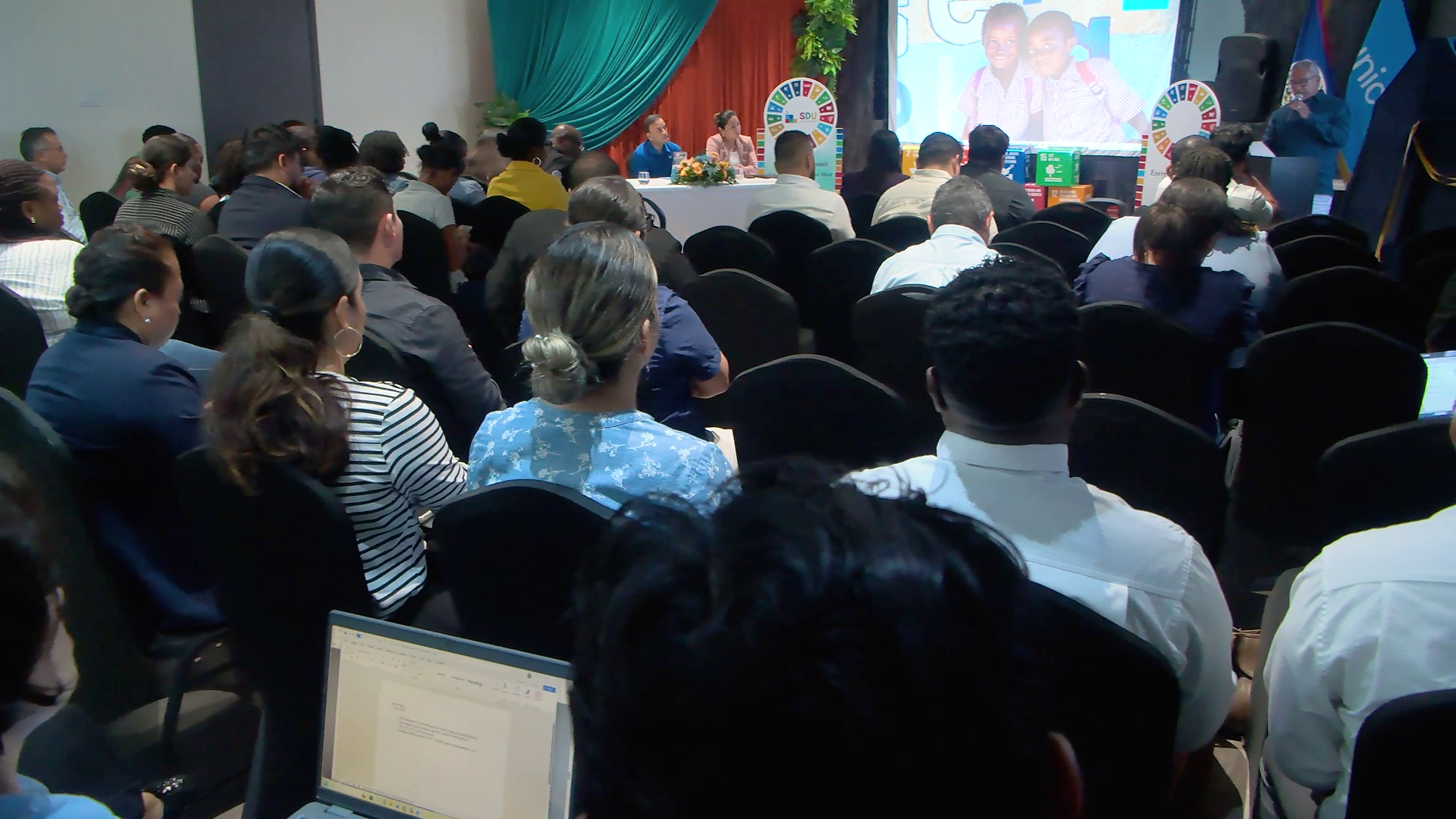
As climate change accelerates its global impacts, small coastal nations like Belize are facing increasingly severe disruptions to daily life, with the youngest members of society bearing a disproportionate burden that has long been overlooked in national policy planning. Now, a new collaborative initiative between UNICEF and Belize’s Sustainable Development Unit aims to change that, launching the nation’s first Climate Landscape Analysis (CLAC) specifically designed to map how rising temperatures, extreme weather and prolonged droughts harm children and other marginalized groups.
For Belize’s children, climate change is not an abstract future threat: it brings overheated classrooms that derail learning, flooded school commutes that force extended closures, and extended droughts that strain community food and water supplies relied on by their families. In May 2026 alone, soaring regional temperatures forced schools across the country to launch emergency “Beat the Heat” programs to cope with unsafe learning conditions. The new study seeks to formalize documentation of these harms, centering the voices of the children most affected to build more responsive, equitable national policy.
Elizabeth Emmanuel, project consultant for the CLAC initiative, explains that the research prioritizes identifying disparities in climate impact across different communities. “Children in low-income, vulnerable communities face far greater harm than their peers in more resourced areas,” Emmanuel notes. “The goal of this analysis is to pinpoint exactly where and why children face the worst risks, so that not just climate policies, but poverty reduction and social protection frameworks can prioritize these groups and address their needs early in national development planning.”
Unlike many top-down climate impact assessments, the CLAC project centers direct input from children themselves to shape its findings. Sajid Ali, UNICEF’s representative in Belize, emphasizes that even school-aged children can provide critical, on-the-ground insight that adult policymakers often miss. “Climate impacts are not abstract for these kids — they live them every day, from sweltering classrooms that make it impossible to focus, to hurricanes and floods that destroy their homes and disrupt their education for months,” Ali says. “You can’t get an accurate picture of vulnerability without sitting down and listening directly to the people who are experiencing it.”
Orlando Habet, Belize’s Minister of Climate Change, adds that the harms children face from climate change are often invisible when national policies are drafted, even as they are more severe today than in previous generations. “The intensity of heat and extreme weather now affects children far more than it affected us when we were in school,” Habet explains. “In rural communities, the gap is even wider: kids walk to school through flood mud after storms, arrive soaked or overheated, and their ability to learn is completely undermined. These are the impacts we have failed to account for until now.”
Beyond shaping domestic policy, Belize’s government expects the study’s findings to strengthen its case for accessing international climate financing, which the nation will need to implement child-focused adaptation measures, from cooling systems for rural schools to flood-resilient infrastructure that protects learning facilities. Ali notes that Belize has already emerged as a leader in inclusive climate action among small developing nations. “Many countries are still rolling out new climate policy frameworks, which means this is the perfect time to embed equity from the start,” Ali says. “Belize’s government, communities and people have a far greater appetite to address these vulnerabilities head-on than most nations, putting them years ahead of the curve in building inclusive climate resilience.”
When the analysis is finalized, it will serve as a national roadmap to reframe Belize’s climate response: moving beyond treating children and other vulnerable groups as afterthoughts, and instead positioning their protection as a core priority for all climate action in the country.