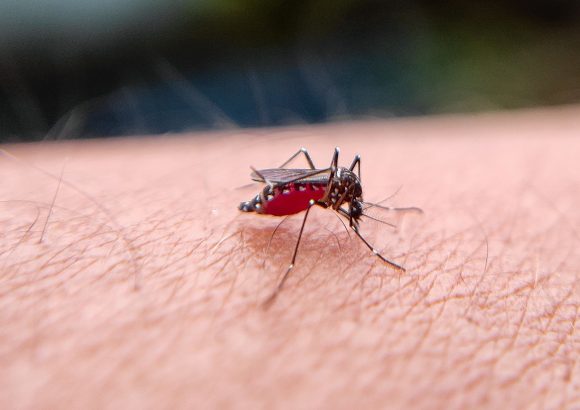
Public health authorities in the Dominican Republic have released their latest epidemiological update, providing a clear snapshot of the country’s ongoing infectious disease and public health outcomes through the 26th week of 2026. According to data from the nation’s Ministry of Public Health, the cumulative count of confirmed dengue fever cases across the country has reached 171, following the addition of nine newly confirmed infections recorded during the most recent monitoring week.
Calculated against the country’s total population, the current national incidence rate stands at 3.10 cases per 100,000 residents. This figure marks an 8% reduction in new infections when compared to data from the identical period in 2025, placing current dengue activity well within the range health officials projected for this time of year and below the average case counts recorded over previous decades.
Beyond dengue, the update tracked trends for other endemic infectious diseases of concern in the region. One additional case of leptospirosis was confirmed in the reporting week, pushing the national 2026 total to 179 cases. No new diagnoses of cholera or malaria were added to official counts over the same period, leaving the year’s cumulative malaria case count at 104 — a number that underscores a substantial, long-term downward trend in malaria transmission across the country.
The bulletin also included updated mortality data for maternal and infant health. Five new maternal deaths were recorded during epidemiological week 26, bringing the total number of maternal deaths in 2026 to 68. For infant mortality, 24 new deaths were reported in the week, bringing the cumulative total to 795. This marks a notable decrease from the 896 infant deaths recorded during the same timeframe in 2025, signaling incremental progress in reducing early childhood mortality.
As the global observance of World Brain Day approaches on July 22, Dominican public health officials have used the update to issue a public call for greater prioritization of mental and neurological health. The ministry emphasized that as many as 45% of all dementia cases can be prevented, have their onset delayed, or be effectively managed if individuals address modifiable health risk factors at an early stage. To support public access to mental health care, authorities highlighted the ongoing operation of the government’s free, confidential “Take Care of Your Mental Health” support hotline, reachable 24/7 by dialing 711. The service provides free psychological counseling and urgent crisis intervention for any resident in need.