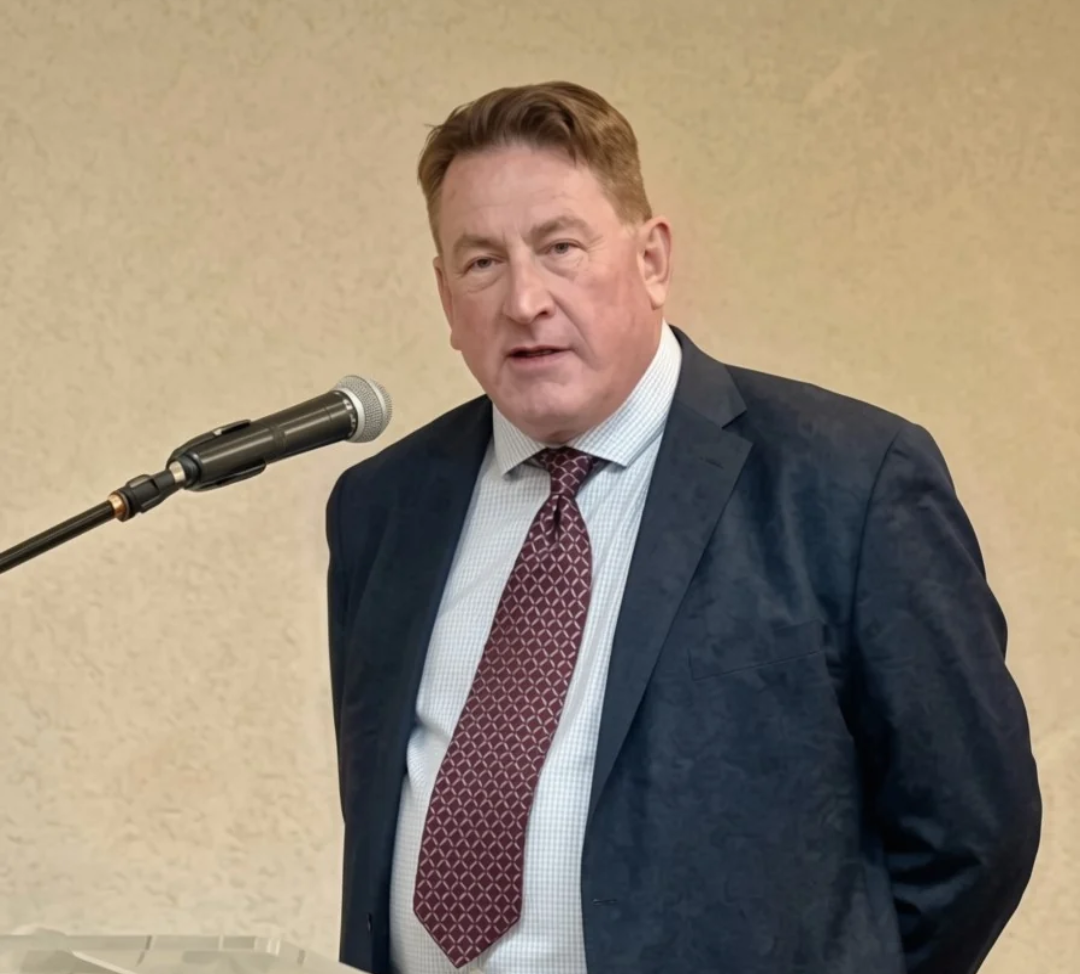
Nearly 400 years after Barbados launched the English Caribbean’s first thriving commercial sugar export industry, the island nation has been selected as the new permanent headquarters of the nearly century-old Sugar Association of the Caribbean (SAC), marking the trade group’s first relocation since its founding in the 1930s. The move shifts the regional industry body’s base from its long-time home in Trinidad, a decision SAC Chairman Mac McLachlan framed as a pragmatic, forward-looking choice aligned with the current realities of the Caribbean’s sugar production landscape. McLachlan shared details of the transition with local journalists on the sidelines of the SAC’s 178th formal Board of Directors meeting, hosted at Barbados’ Radisson Aquatica Resort. He explained that when the association (then operating under its original name, the West Indies Sugar Association) launched in the 1930s, nearly every Caribbean island maintained active, large-scale sugar production, making Trinidad a logical administrative hub at the time. In the decades since, however, Trinidad and most other regional territories have shuttered their sugar operations, leaving only four committed producing member states: Barbados, Belize, Guyana, and Jamaica. The SAC, which has long coordinated cross-regional sugar export logistics and advocated for Caribbean producers in global trade negotiations, counts the world-renowned West Indies Central Sugarcane Breeding Station as its most valuable core asset — a facility that has been based in Barbados and owned by the association since 1962. Widely recognized as the global leader in sugarcane varietal development, the breeding station traces its origins to pioneering agronomist John Redman Bovell’s 1888 research work in Barbados, before being formally established as a regional public resource in 1932 under the territory’s former Department of Agriculture. It continues to develop climate-resilient, high-yield cane strains tailored to the unique growing conditions of SAC member nations, distributing certified seed stock for local field testing and selection. McLachlan noted that the relocation was also endorsed by Caribbean Community (CARICOM) trade ministers, who have formally recognized the SAC as a critical regional industry stakeholder. The move will allow the association to more closely align its operations with Barbados’ ongoing national efforts to rapidly boost sugar sector efficiency and productivity, while providing dedicated support to all four remaining producing member states to sustain regional sugar supply for local domestic markets.