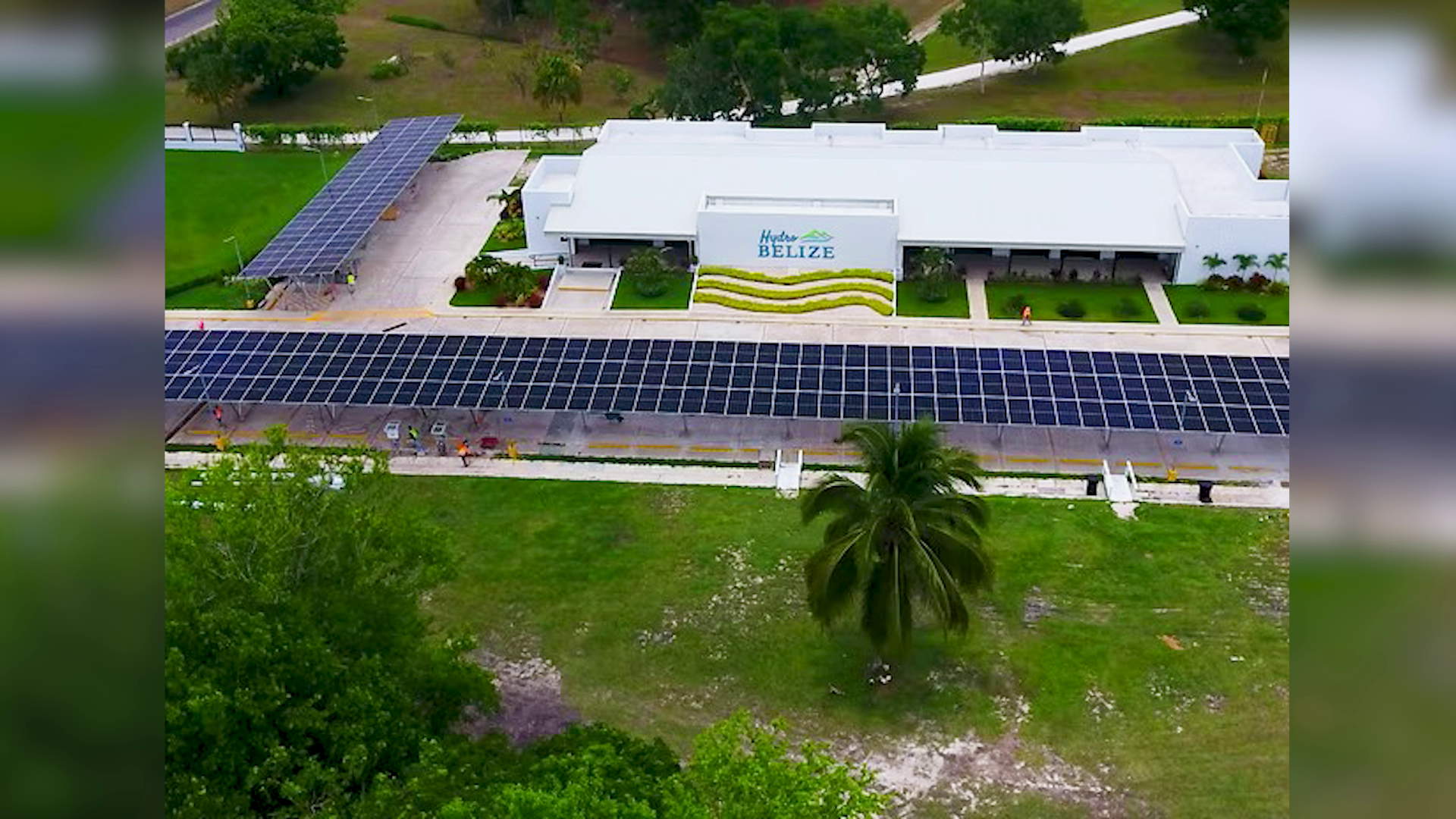
Scheduled for public discourse as of July 15, 2026, a proposed $20 million investment in Hydro Belize by Belize’s Social Security Board (SSB) has sparked debate over financial prudence versus potential high returns, with Prime Minister John Briceño publicly backing the plan as a strategic move to secure the long-term solvency of the country’s social safety net.
The core question driving public discussion centers on a critical tradeoff: with SSB managing retirement and benefit funds drawn directly from working Belizeans, is the concentrated investment in a single hydropower entity a shrewd growth move, or an unnecessary overexposure to risk that puts contributors’ savings on the line? The SSB has already formally published a public notice outlining its planned share purchase, prompting questions to the Prime Minister over his administration’s support for the deal.
In an official response, Briceño argued that the investment addresses a pressing need for the SSB to generate consistent returns on its existing capital holdings to avoid unpopular policy changes down the line. “As you all know, social security, the last time I checked, had over a hundred plus million dollars and they need to put that money to work,” Briceño explained. “If they can’t invest that money, by 2030 they will have to raise contributions and they look for solid investments, investments that will bring at the minimum a five percent rate of return. Unfortunately, BTL is nowhere near that and we have to try find ways we can fix that.”
In contrast to the underperforming BTL holding, Briceño highlighted that Hydro Belize’s offering prospectus projects annual dividends ranging from 10% to as high as 12% – far exceeding the SSB’s minimum return requirements. If the projections hold, the investment would deliver steady growth to the SSB’s portfolio without immediate pressure to increase contribution rates for workers and employers.
If the purchase moves forward as planned, the SSB will hold approximately $140 million worth of ordinary Hydro Belize shares, equal to a 30% ownership stake in the hydropower company. This report is adapted from a transcribed evening television news broadcast, with original Kriol language dialogue standardized to written spelling for clarity.