As of July 15, 2026, Belize is navigating a looming electricity crisis driven by two overlapping factors: surging domestic power demand and an impending cut to energy imports from neighboring Mexico. The crisis threatens to bring repeated rolling blackouts across multiple districts of the small Central American nation, but government and utility officials are moving quickly to roll out contingency measures and avoid widespread disruption.
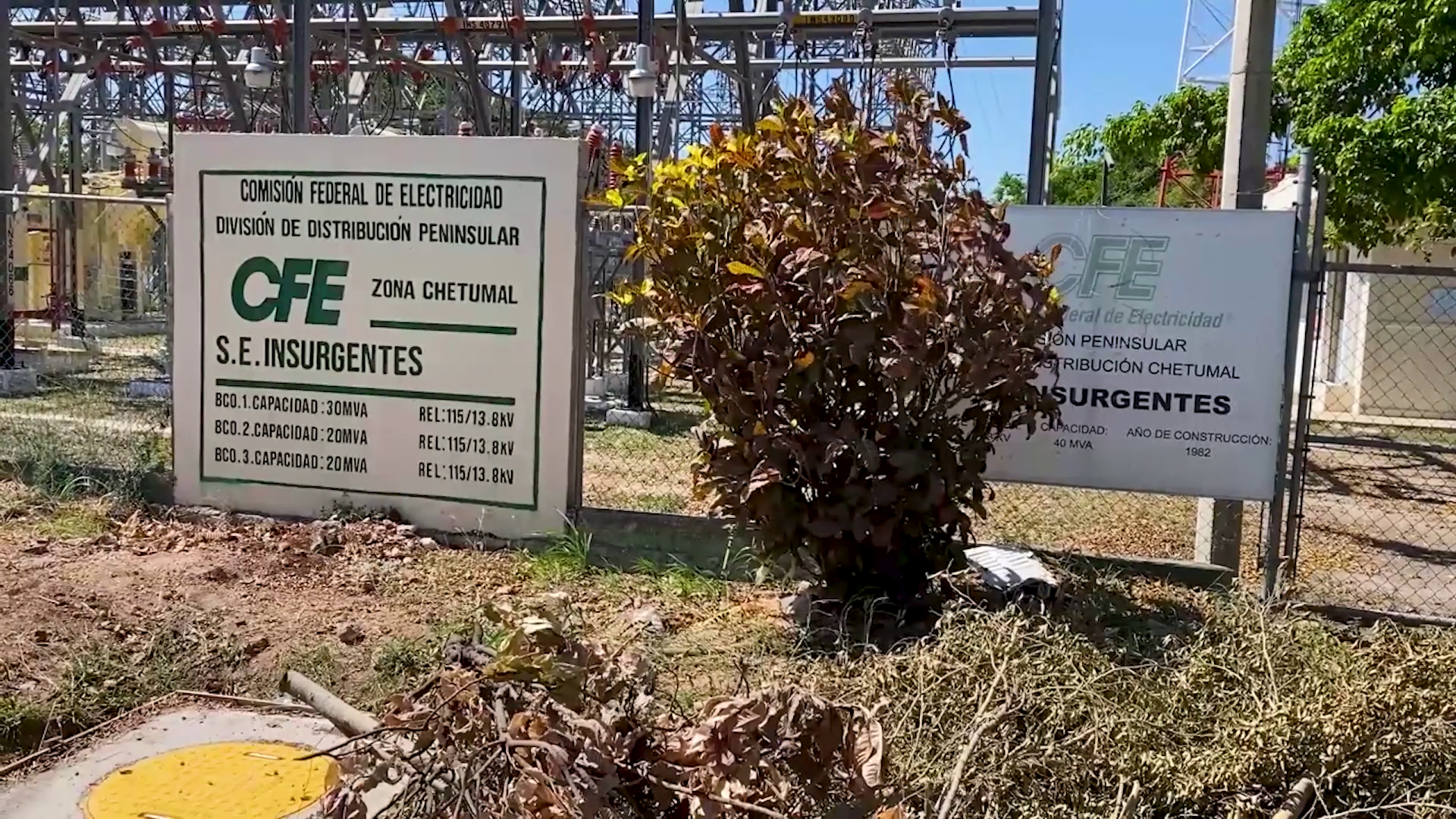
Prime Minister John Briceño outlined that power supply constraints have been a lingering issue for Belize since 2000, exacerbated by rapid economic and population growth that has outpaced domestic generation capacity. Mexico, Belize’s primary energy import partner, is facing its own strain: soaring power demand in southern Mexican states has left Mexico’s state-owned power utility Comisión Federal de Electricidad (CFE) unable to meet its export commitments to Belize on schedule. CFE had been expected to bring 1.2 gigawatts of new generation capacity online to cover both domestic and export demand, but the new gas-fired plants have sat idle due to critical shortages in natural gas supply to fuel operations.
Briceño noted that Belize has received a lucky temporary reprieve from recent rainy weather, which has replenished water reserves at the country’s hydroelectric dams, boosting domestic hydropower output in the short term. For longer-term buffer capacity, Belize Electricity Limited (BEL), the country’s national power utility, had arranged for a standby backup generator that was originally scheduled to arrive at the end of May. However, shipping disruptions stemming from the ongoing conflict in Iraq have delayed the delivery. Officials now expect the generator to arrive by the end of July or early August, and will bring it online immediately once it clears customs and installation.
BEL has already begun preparing contingency plans in case CFE implements export cuts before the new backup capacity is activated. The utility has warned that if supply falls short of demand, controlled rolling blackouts will be implemented between 6:00 p.m. and midnight, a period of peak residential power usage. The outages would impact six districts: Orange Walk, Corozal, Belize, Cayo, Stann Creek, and Toledo. Beyond the standby generator, BEL is developing a 24-megawatt mobile emergency power plant near Mile Eight on the George Price Highway, and has arranged to rent an additional 20 megawatts of generation capacity to be installed at West Lake. That project was originally targeted for launch in July 2026, but shipping delays tied to global logistics disruptions from the Iraq war have pushed the launch back to mid-to-late August.
Once the emergency generation capacity is online, BEL Executive Chairman Lynn Young explained that Belize’s exposure to CFE export cuts will be drastically reduced. In addition to the temporary emergency measures, the utility is in active discussions with independent power producers operating in Belize — including BABCO and Belcogen Santander — to boost output from existing domestic facilities in the short term. For long-term energy security, BEL already has grid-connected solar energy projects in development to grow domestic renewable generation capacity and reduce reliance on imported power over time.
Young added that CFE’s export challenges are not an isolated issue, but part of a broader global energy crisis that has pushed up fuel prices and created widespread logistics bottlenecks for energy infrastructure deliveries, making the entire supply chain more volatile.
Diplomatic efforts between Belize and Mexico are also ongoing to minimize disruptions. Oscar Arnold, Chief Executive Officer of Belize’s Ministry of Foreign Affairs, confirmed that Belizean officials are in constant daily communication with CFE leadership both in Yucatán, where the export power is generated, and at CFE’s Mexico City headquarters to negotiate continued supply where possible. Arnold noted that CFE has an incentive to continue exporting power to Belize, as the country pays a premium for the imports, but CFE must prioritize meeting its own domestic demand first, just as Belize does with its own commodity exports. During past periods of supply uncertainty, Belizean diplomatic teams worked around the clock to adjust to daily shifts in available export capacity from CFE, a process that has helped build strong working relationships between the two countries’ energy and diplomatic teams.
Arnold emphasized that while Belize prioritizes building up its own domestic generation capacity, continued diplomatic dialogue with Mexico remains a key tool for managing shortages and avoiding unnecessary disruptions for Belizean consumers.