A long-awaited intra-regional ferry initiative designed to connect CARICOM member states has hit a major roadblock, after private investors and commercial banks effectively halted all financing for the project. Regional industry insiders and senior officials point to a string of missed launch deadlines, rooted in unaddressed barriers ranging from inaccessible vessels to outdated feasibility studies, even as CARICOM national governments rush to finalize the regulatory framework that financiers have demanded as a precondition for investment.
For the moment, project supporters are pinning their last hopes on a new government-led plan: deploying an existing Trinidadian vessel as early as this September to launch a small-scale proof-of-concept trial, clearing a path past the steep legal and technical hurdles that have derailed progress to date.
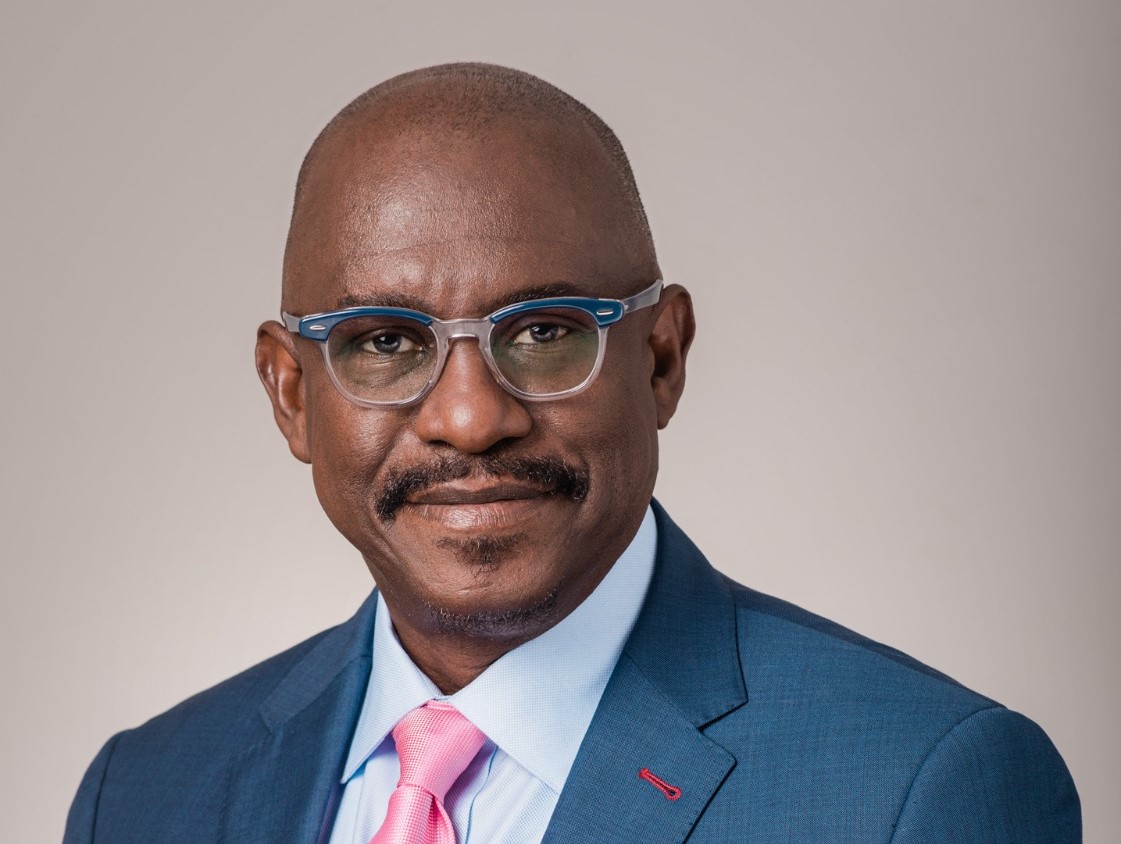
In an exclusive interview with Barbados TODAY, Dr. Patrick Antoine, Chief Executive Officer of the CARICOM Private Sector Organisation (CPSO) – an umbrella body representing private sector interests across the bloc – laid out the full scale of the challenges that have stalled the ambitious project. Speaking from Trinidad, Antoine warned that the region already missed one opportunity to acquire a purpose-identified vessel due to delayed government action, and stands to lose a second suitable ship if the required regulatory and operational enabling environment is not put in place urgently.
Antoine framed the project as two interconnected undertakings: private investment to cover capital and operating costs, which will only move forward once governments deliver the policy framework required to de-risk the investment. “This is not a minor issue – it is a serious, make-or-break barrier,” he emphasized.
Over three decades of past attempts to launch regional ferry services have made one priority clear, Antoine explained: efficient processing for passenger movement. The CPSO has conducted interviews with nearly every stakeholder who launched or attempted a regional ferry service over the past 30 years, building a comprehensive evidence base for what is needed to succeed. Past operations have been sunk by multi-hour delays holding passengers on docked vessels, a poor customer experience that drives travelers away for good. “Even if the fare is low, no one will come back after a bad experience like that,” Antoine noted. “Delays also burn through extra fuel, eating up any thin profit margins operators are working with. This is a non-negotiable core requirement.”
A second critical unmet need is a harmonized regulatory framework that allows passengers and drivers to move their vehicles between islands on roll-on/roll-off ferries. This is a core feature that travelers and businesses now demand, Antoine pointed out, pointing to existing successful vehicle ferry routes between Guyana and Suriname, and across Trinidad and Tobago. For cargo operations, enabling loaded commercial lorries to drive directly on and off ferries eliminates the need for costly portside warehousing, cutting operating costs and streamlining regional trade dramatically, senior regional trade figures confirm.
Third, the project faces longstanding regional barriers of slow, inefficient customs bureaucracy that has derailed past cross-border transport initiatives. “Businesses and passengers cannot afford to wait two weeks to collect their cargo because a customs inspector is unavailable,” Antoine said. “We need clear protocols for goods movement, including mandatory pre-clearing, so shipments are already processed before vessels arrive and can move straight to market.”
Antoine stressed that the funding freeze is not a failure of private sector interest: two separate private companies had already secured preliminary financing for the project, contingent on government delivering the required regulatory conditions. One firm even identified a specific ferry for the route, but the required conditions were never finalized, leading to the opportunity being lost. “The private sector did not drop the ball on this project – the enabling environment, which is the responsibility of member state governments, was never put in place,” he said.
He added that Prime Minister Mia Mottley of Barbados has now stepped in to lead the process of finalizing these arrangements, after the process was delayed when it was previously led by foreign affairs and foreign trade ministers across the bloc.
Beyond uncompleted regulatory work, the project has also faced broader commercial headwinds, multiple sources familiar with internal discussions confirmed. These challenges include difficulty sourcing suitable vessels, shifting global market conditions, and outdated commercial assessments that have not been updated to reflect rising costs and changing operating requirements. Over the past two years, a series of announced launch timelines – including promises of cargo operations by late 2024 and passenger service by early 2025 – were set ahead of progress on vessel acquisition and regulatory paperwork. This mismatch eroded confidence among lending institutions, which now insist on updated, independently validated business cases before committing new capital.
On the proposed government-led proof-of-concept trial using a Trinidadian vessel planned for September, Antoine said the CPSO is supportive of the effort but remains cautious, as critical details about the vessel remain undisclosed to private sector stakeholders. “Right now, the private sector has no clarity on two key points: whether this vessel is actually suited to meet the route’s operational requirements, and whether it is in sufficient condition to be brought into service quickly,” he explained. “We are not saying it cannot work – we simply do not have the information to confirm at this stage. The last vessel that was identified for the project ended up being tied up in dry dock, so there is a history of unmet expectations on vessel availability.”
Antoine added that the CPSO will wait for governments to share full details before moving forward, but stressed that a successful September trial would deliver major benefits for the long-term project. If the vessel can be deployed rapidly, it will force governments to move quickly to implement the required passenger and customs protocols Antoine highlighted, creating a working demonstration that the concept is viable. That proof of concept would in turn rebuild confidence among international and regional financiers, who have been waiting for tangible progress before committing capital. “If the vessel can be brought into service while we finalize the protocols quickly, it will prove the model works,” he said. “That is exactly what we need to unlock the long-term investment that is waiting on the sidelines.”
The CPSO has already submitted updated private sector financing proposals to CARICOM heads of government, Antoine confirmed, with two credible private operators updating their plans to reflect dramatically changed market conditions. Global fuel price increases and widespread vessel shortages have pushed up leasing and purchase costs, but the project still has strong private sector backing: one of the lead operators is already partnered with a major Mediterranean ferry operator with extensive global experience, proving the project’s commercial credibility. Both original operators that secured preliminary financing are now actively searching for suitable existing vessels on the open market, as building a new ferry would take three to five years – far too long to wait to launch the service. The teams are working with global vessel scouts to source appropriate ships that fit the route’s unique requirements.
Regional leaders have formally set a September deadline to finalize the full regulatory framework required to enable private sector operation of the ferry service. Key priorities include harmonized mutual recognition of vehicle insurance, operator licenses, and road taxes across member states. Prime Minister Mottley confirmed she has taken personal responsibility for leading negotiations with regional colleagues to finalize the required treaty arrangements for this mutual recognition, which would allow vehicles and cargo to move seamlessly between ports without additional red tape. Mottley noted that legal and insurance harmonization is the cornerstone of enabling free movement of people and goods across the bloc’s islands, and the proof-of-concept trial will initially focus on ports in the southern and eastern Caribbean to test the new framework. She also stressed that the initiative will require assessments of existing port infrastructure and loading ramp capacity to ensure facilities can accommodate efficient vehicle loading and unloading. CARICOM leaders are also set to review draft legislation for a unified regional maritime regulatory body, which is designed to cut through fragmented national rules and make the long-term operation of the ferry service commercially viable.