As the 2027 Belizean municipal elections draw near, less than eight months from July 2026, a heated dispute over voter registration on Iguana Street in the Mesopotamia Division has thrown longstanding concerns about electoral manipulation and improper voter transfers into the spotlight.
The annual July-August transfer window, which allows eligible voters to reassign their registration to a new constituency or municipality ahead of upcoming votes, is the designated period for these changes – but critics warn the process is frequently exploited for partisan political gain. The Iguana Street controversy began when local elector Brian “Yellowman” Audinette filed a formal challenge against two attempted registrations at an address he insists the applicants do not actually occupy.
In comments recorded during a local television newscast, rendered in Kriol orthography, Audinette argued that neither Eric Lewis nor Shary Bent reside at the Iguana Street address linked to their registration applications. “None of them two people ya live ya. Soh how she wa come? He call she and she come and she the sign,” Audinette stated, asserting that the registrations constitute an illegal attempt to pad voter rolls ahead of the upcoming contest.
Chief Elections Officer Josephine Tamai has outlined the official process for addressing such claims, noting that existing safeguards are in place to root out fraudulent registrations – but citizen engagement is critical to their success. Tamai explained that any registered elector in a constituency has the right to formally object to new inclusions once the preliminary voter list is published, as long as the objector provides tangible evidence to support their claim of irregularity.
She added that a common gap in the process stems from low citizen engagement outside of election season: complaints of improper registration only surface in the lead-up to voting, when public attention turns to electoral processes, rather than being addressed earlier when inaccuracies could be corrected more smoothly. In response to the Iguana Street dispute, Tamai confirmed that registering officers are required to conduct in-person site visits to verify the residential claims of all applicants facing objections. Following this on-the-ground investigation, the registering officer makes a final determination on whether the applicant will remain on the voter roll or have their registration struck.
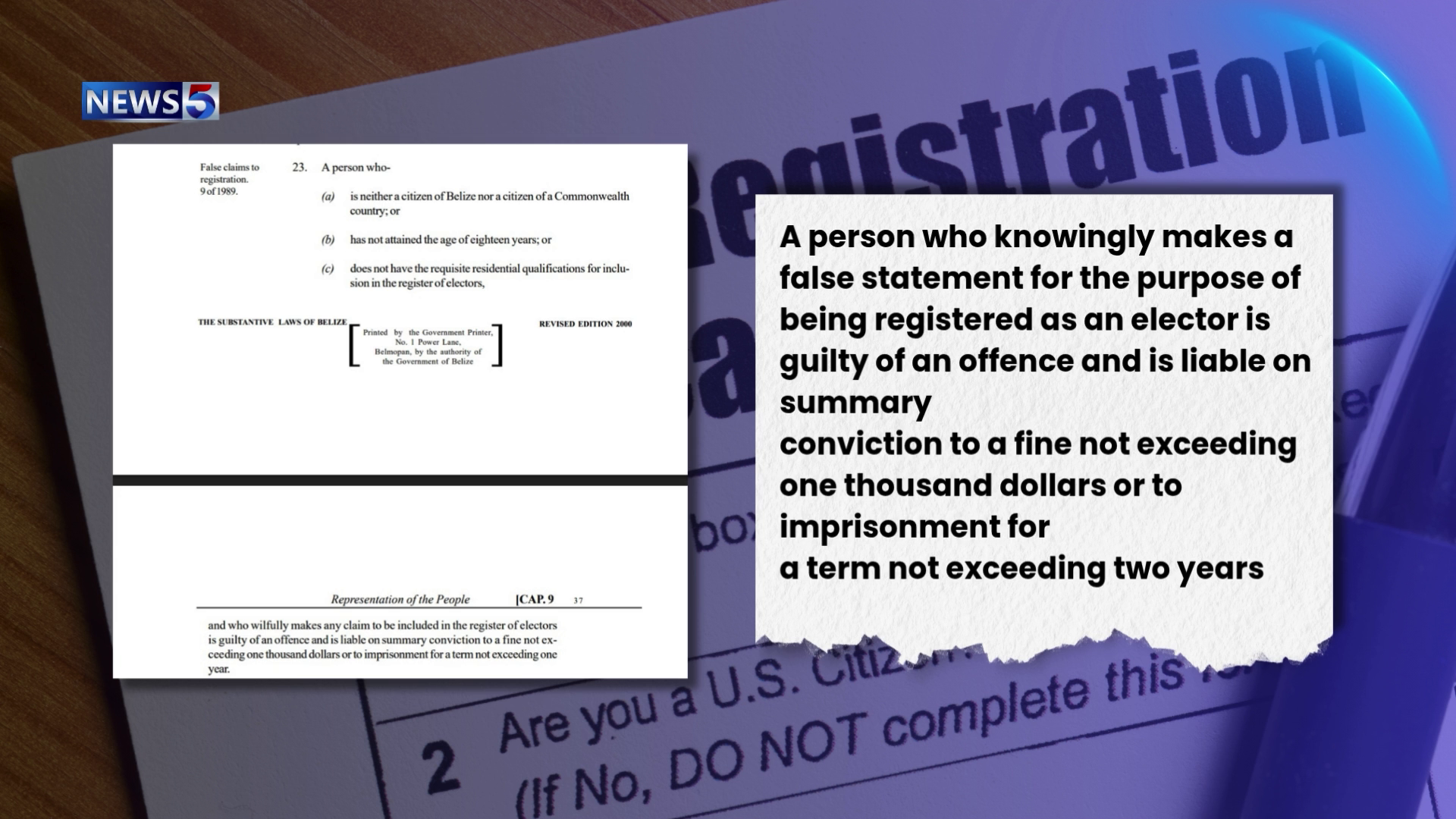
Tamai also reminded the public that false, bad-faith objections to legitimate registration applications are a criminal offense, carrying penalties of up to a $500 fine or one year of imprisonment for anyone convicted of knowingly filing a misleading challenge. The incident comes as election officials prepare for the March 3, 2027 municipal vote, with attention turning to cleaning up voter rolls and addressing longstanding concerns about electoral integrity ahead of polling day.