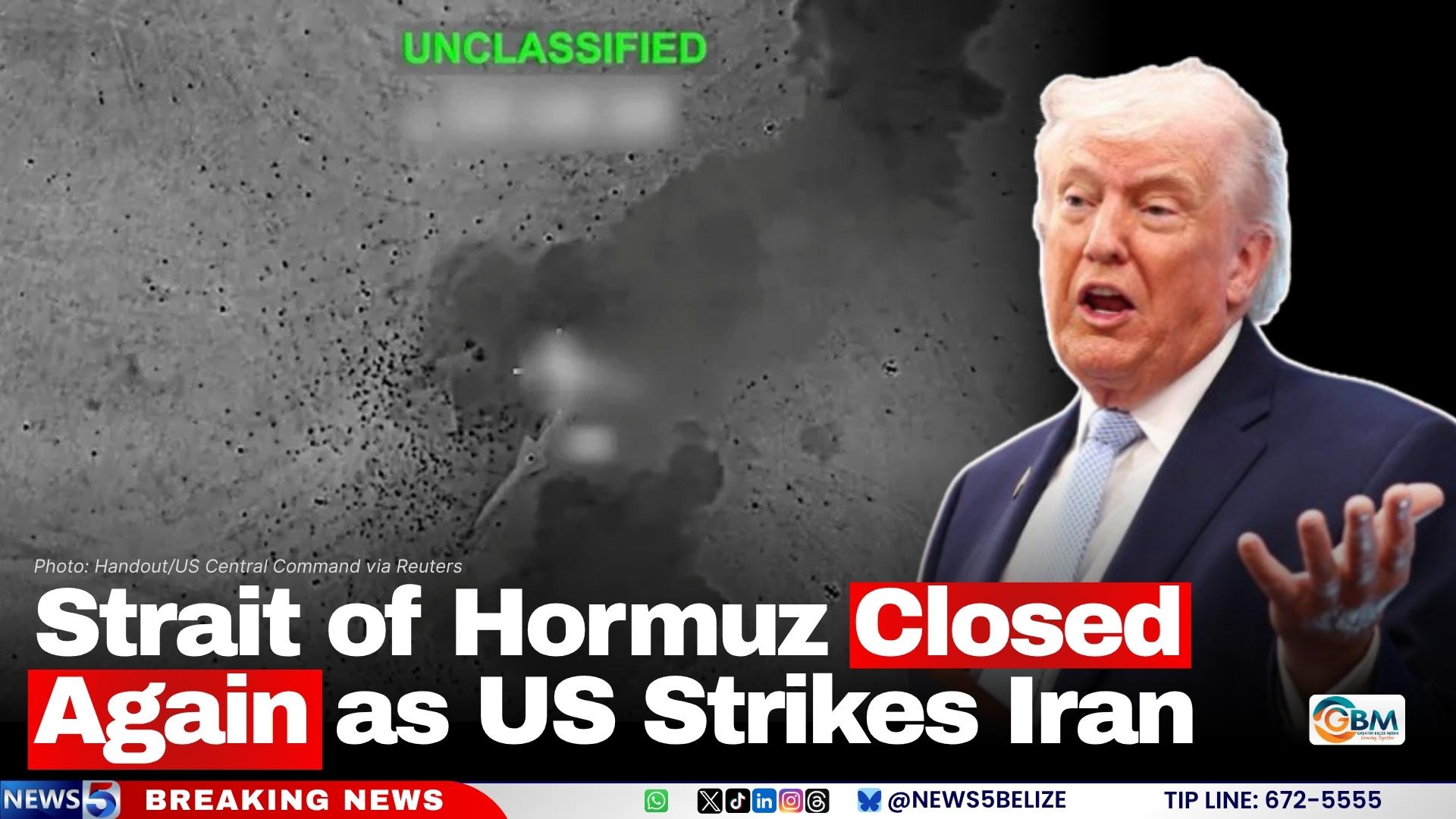
July 12, 2026 — Tensions between the United States and Iran have surged to alarming new levels this week, shattering a fragile month-old ceasefire and raising urgent global fears of a full-scale regional conflict. The latest cycle of escalation began after U.S. military forces launched targeted strikes against Iranian missile installations, air defense systems, and fast attack craft operated by the Islamic Revolutionary Guard Corps (IRGC) in waters and areas surrounding the Strait of Hormuz, multiple international outlets have confirmed, citing reporting from Axos and a senior anonymous U.S. administration official.
The U.S. action capped off four days of growing air and naval bombardment across Iran, with strikes documented in no fewer than 10 of the country’s provinces. According to reporting from Al Jazeera, U.S. fighter jets and naval warships have hit hundreds of designated military sites across the country, alongside multiple civilian locations. Iranian government officials have confirmed that the attacks have left both military service members and civilian bystanders dead, while inflicting heavy damage on key public and industrial infrastructure.
In a direct retaliatory response, Tehran has announced the full closure of the Strait of Hormuz, one of the world’s most critical strategic chokepoints for global oil and maritime trade. Iranian officials have explicitly accused the U.S. of violating the terms of the ceasefire memorandum both sides agreed to just one month prior. The IRGC confirmed it had targeted two commercial transiting vessels operating along a Western-supported alternate shipping route, and Tehran also claimed responsibility for coordinated strikes against U.S. diplomatic and military interests across five regional partners: Bahrain, Kuwait, Jordan, Qatar, and Oman.
The escalation has hit critical energy infrastructure particularly hard: attacks on Iran’s national power grid have taken a large share of the country’s total electricity generation capacity offline, leaving communities across multiple regions facing widespread blackouts. The unrest has also unfolded against a charged domestic backdrop: the U.S. strikes disrupted the funeral procession of former Supreme Leader Ali Khamenei, and his successor, Mojtaba Khamenei, has publicly called for widespread revenge against the U.S. for the disruption and the ongoing military campaign.
For ordinary residents living in Iran’s capital Tehran, the rapidly unfolding events have stoked growing anxiety. Multiple residents interviewed by Al Jazeera expressed rising fear that the region is now on the cusp of a new, prolonged full-scale conflict that would have devastating consequences for civilians across the country and the broader Middle East.