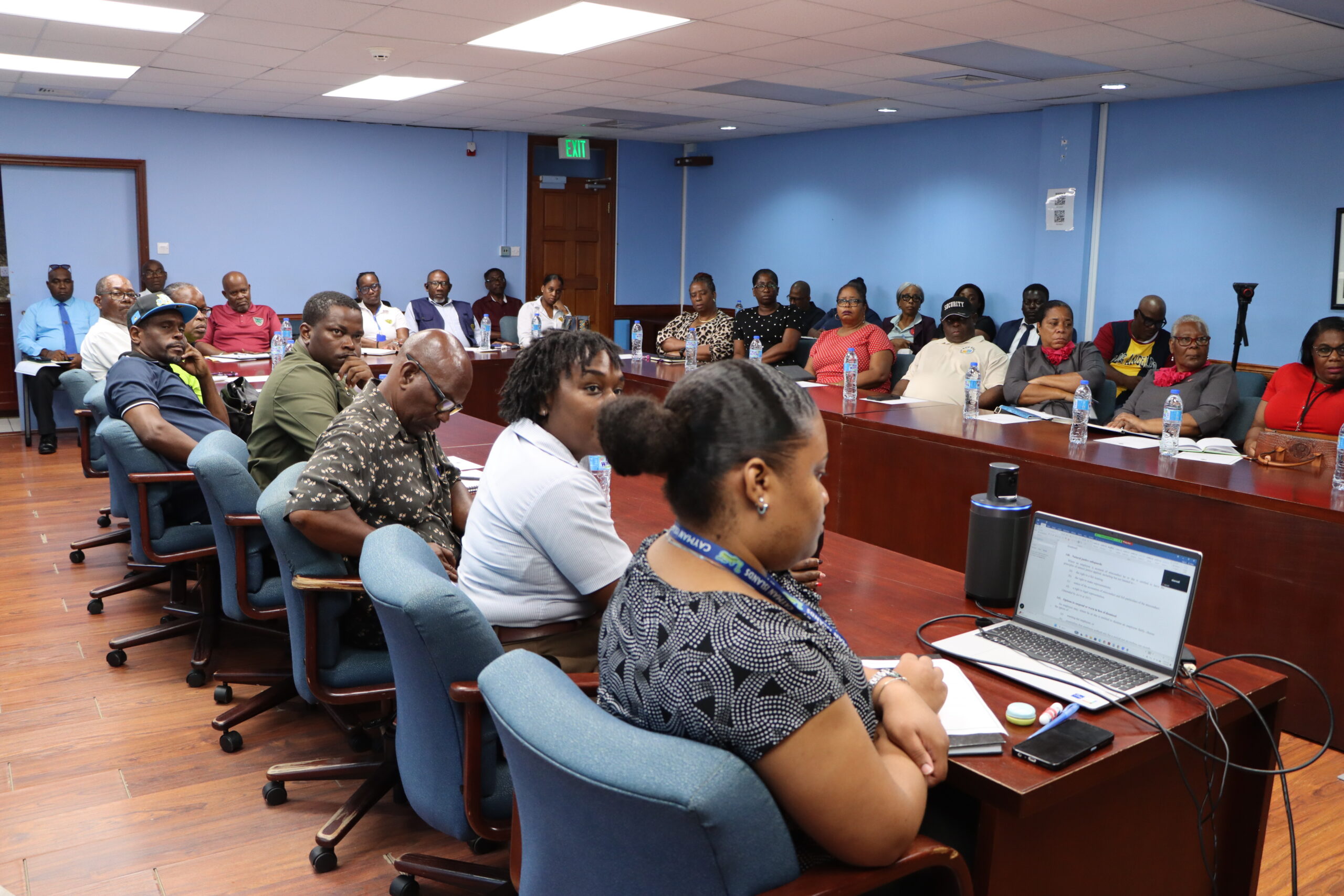
In a groundbreaking move to tackle widespread labor disputes, the Saint Lucia Department of Labour has launched an unprecedented targeted engagement initiative with private security service providers, a sector that has consistently accounted for a disproportionate share of worker complaints related to unfair wages, substandard working conditions and unlawful employment termination.
The first gathering of this initiative, held on July 8, brought together key operators and senior leadership from across the private security industry. The meeting centered on unpacking the most common recurring labor relations challenges, walking stakeholders through explicit employer obligations outlined in the national Labour Act, and rolling out evidence-based best practices for ethical and compliant human resource management.
Deputy Labour Commissioner Nicolai Lansiquot explained that the unprecedented collaborative approach was born from years of data showing the private security sector outpaces most other industries in labor complaints. “For years, our department has recorded that security firms make up a significant share of all grievances we receive, covering everything from unpaid wages to unfair dismissal,” Lansiquot noted in remarks at the meeting. “Through routine inspections, formal investigations and alternative dispute resolution conciliation processes, we’ve mapped out consistent, solvable gaps in compliance. This direct engagement lets us address these concerns head-on, boost industry-wide understanding of legal requirements, and encourage voluntary compliance before individual issues escalate into costly, formal legal disputes.”
Department investigations have outlined eight core recurring violations that plague the sector: employers failing to issue legally compliant pay slips to workers, incorrect calculations of overtime wages, refusal to pay mandatory premium rates for work on public holidays, violation of legally required rest break rules, inadequate and non-compliant employee record-keeping, improper and unlawful use of fixed-term employment contracts, and significant procedural flaws in disciplinary actions and employment termination processes.
While the Department of Labour remains fully committed to rigorous enforcement of the Labour Act to protect worker rights, Lansiquant emphasized that the new strategy prioritizes proactive education, dispute prevention and public-private partnership over reactive enforcement alone. The agency recognizes that private security firms operate under unique operational constraints: the nature of the work requires nonstop around-the-clock coverage, irregular shift scheduling, extended work periods and mandatory staffing on public holidays. Even with these unique operating conditions, the department stressed that all employers are legally obligated to meet the minimum labor standards set out in the national legislation.
Speaking directly to industry stakeholders at the July 8 meeting, Labour Minister Emma Hippolyte acknowledged the outsized positive contribution the private security sector makes to both national economic activity and public safety. “Our government recognizes the critical work done by private security officers and the companies that employ them,” Hippolyte said. “This sector delivers essential services across every corner of our national economy, and it plays a huge role in upholding public safety and keeping businesses operating smoothly. That said, compliance with the Labour Act is non-negotiable: it is the foundation of fair, stable and productive workplaces that benefit both employers and employees.”
Hippolyte reaffirmed the government’s dual commitment to supporting sustainable private sector growth while upholding fundamental worker rights and fostering healthy, collaborative industrial relations. “Strong, positive industrial relations deliver benefits for every group: employers, workers, and the entire national community,” she added. “Our core goal is to partner with industry stakeholders to strengthen employment practices, boost overall compliance, and make sure every workplace in the sector remains fair, respectful and productive for all.”
Moving forward, the Department of Labour plans to hold regular ongoing engagement sessions with private security industry stakeholders as part of its long-term efforts to cut down on preventable workplace disputes, lift overall compliance with labor laws, and build stronger, more collaborative labor relations across the entire sector.