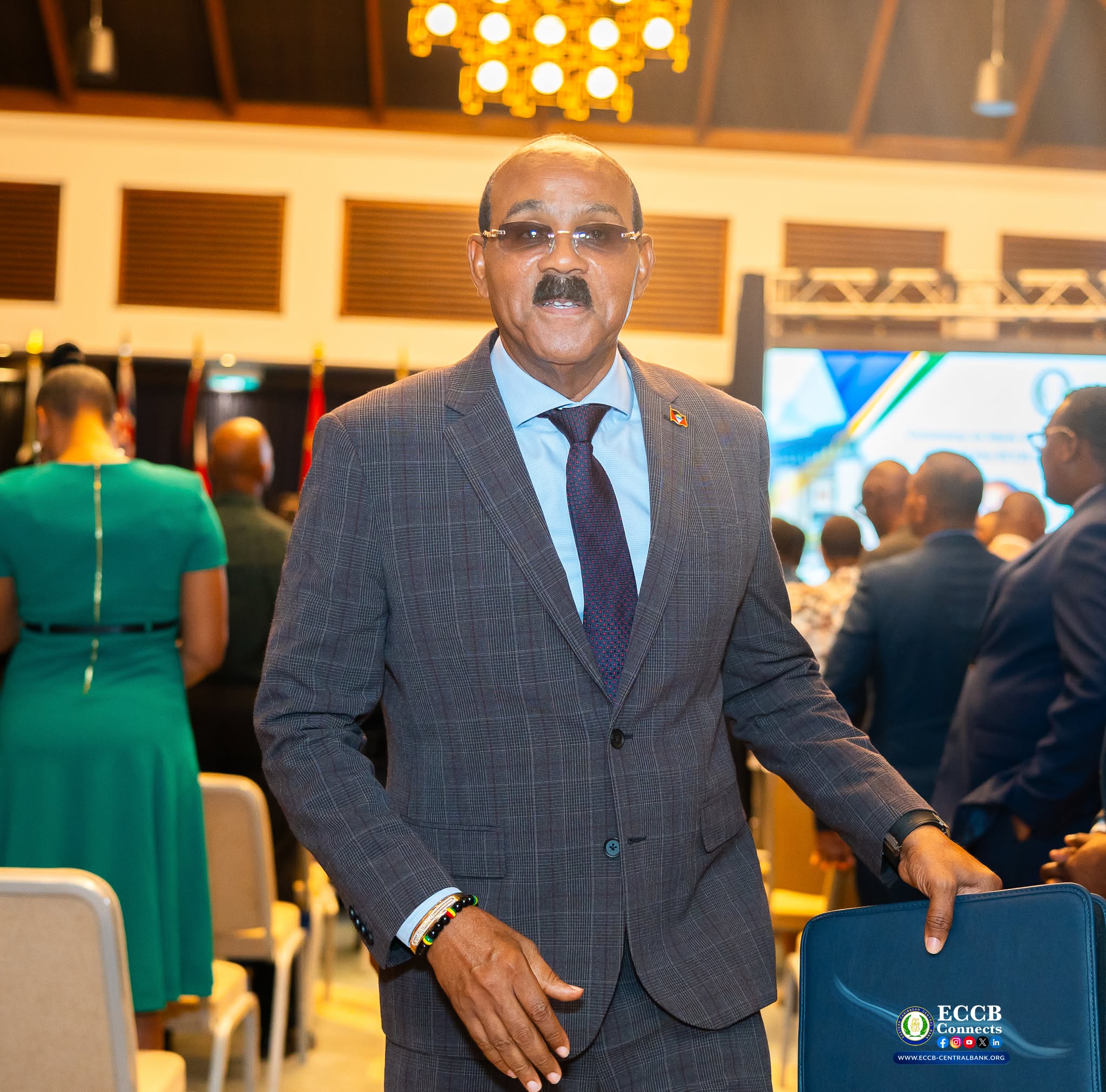
In a high-level gathering held in Roseau, the capital of the Commonwealth of Dominica on July 10, 2026, the heads of government from seven Eastern Caribbean nations convened to coordinate a collective approach to their Citizenship by Investment (CBI) programmes amid evolving negotiations with the European Union. Chaired by Dominica Prime Minister Honourable Roosevelt Skerrit, the meeting brought together top leaders from Antigua and Barbuda, Grenada, Saint Kitts and Nevis, Saint Lucia, Saint Vincent and the Grenadines, all gathered to assess recent updates from the European Commission and map out a unified regional response to the EU’s revised visa suspension mechanism.
At the opening of discussions, participating leaders first reaffirmed the deep, long-standing collaborative partnership between their small island developing states (SIDS) and the European Union. Built on a foundation of shared democratic values, mutual respect, and a joint commitment to global cooperation and inclusive sustainable development, the leaders emphasized their openness to ongoing dialogue and their dedication to constructive engagement to resolve shared concerns.
Central to the meeting’s deliberations was the future of CBI programmes, a policy area that has drawn increased scrutiny from European regulators. Responding to global standards, Eastern Caribbean governments have invested heavily in systemic reforms of their CBI frameworks over recent years. These changes include strengthening due diligence protocols for all applicants, expanding cross-border information sharing, introducing new transparency requirements, and adopting strict regional operating standards that position the region’s programmes among the most rigorous in the world. A landmark step in this reform process has been the establishment of the Eastern Caribbean Citizenship by Investment Regulatory Authority, a regional body designed to harmonize rules, boost compliance, and align the region’s practices with evolving international best practices through collective governance.
Beyond regulatory issues, leaders underscored the outsized economic role CBI programmes play for the region’s SIDS, which face unique structural vulnerabilities including limited economic diversity, high exposure to climate disasters, and constrained access to development financing. For these nations, CBI revenues have become a core pillar of economic resilience and development investment, funding critical priorities ranging from climate adaptation infrastructure and post-hurricane disaster recovery to affordable housing, public healthcare, universal education, and long-term fiscal stability. During periods of unprecedented external shocks—including the COVID-19 pandemic and global energy price spikes—CBI revenues enabled these governments to fund emergency response without taking on unsustainable levels of sovereign debt, helping to preserve macroeconomic stability across the region.
Against this backdrop, leaders stressed that any future changes to the EU’s regulatory relationship with the region’s CBI programmes must fully account for the specific economic realities and development vulnerabilities of SIDS. Any policy shift that reduces or eliminates this critical source of development financing, they argued, must be paired with a comprehensive support framework that protects existing development gains, preserves current economic stability, and supports the development of equivalent sustainable alternative financing sources to meet the region’s long-term needs.
To advance their shared objectives, the regional leaders have agreed to launch a coordinated diplomatic engagement strategy with EU institutions and member state governments. A high-level delegation is scheduled to travel to Brussels at the earliest practical opportunity to hold direct talks with the President of the European Commission, President of the European Council, and the High Representative of the Union for Foreign Affairs and Security Policy. The core goals of these discussions will be to deepen European policymakers’ understanding of the unique challenges facing Eastern Caribbean SIDS, negotiate practical, mutually beneficial solutions to the concerns raised by the European Commission, and strengthen the decades-long partnership between the two blocs.
To ensure a unified regional voice, leaders have directed foreign ministers, CBI programme leads, ambassadors, and senior official teams to coordinate closely across all engagements with European stakeholders. A structured diplomatic outreach programme to key European national capitals has also been mandated to build support for the region’s position ahead of formal negotiations. The heads of government concluded their meeting by noting that balanced, durable solutions can only be developed through genuine collaborative partnership, one that honors both the EU’s legitimate regulatory objectives and the equally legitimate development needs of small island developing states. Rooted in the principles of proportionality, shared responsibility, partnership, and sustainable development, leaders reaffirmed their commitment to constructive dialogue and expressed confidence that mutually acceptable outcomes can be achieved through cooperation.