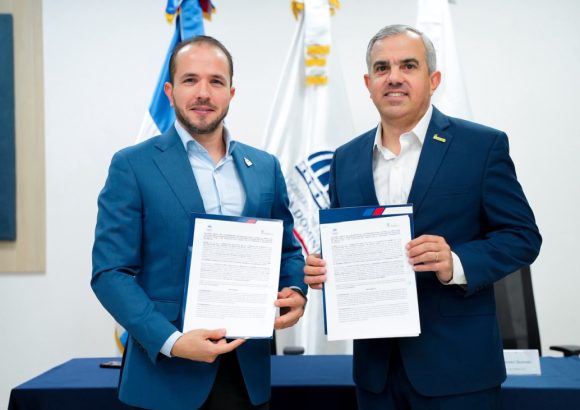
SANTO DOMINGO — Two leading Dominican agricultural institutions have announced a new collaborative agreement designed to transform the country’s iconic tobacco export sector through targeted upgrades to irrigation infrastructure and farmer capacity building. The National Irrigation Technology Directorate (TNR) and the Tobacco Institute of the Dominican Republic (Intabaco) formalized the partnership this week, with shared goals centered on boosting productivity, cutting environmental harm, and embedding long-term sustainability across one of the nation’s top agricultural export industries.
Under the terms of the agreement, TNR will take the lead on delivering specialized technical expertise and hands-on training for tobacco producers. This training will cover every stage of working with modern pressurized irrigation systems, from initial installation to ongoing operation and routine maintenance, to ensure farmers can leverage these tools effectively long-term. For its part, Intabaco will act as a liaison between independent producers, training opportunities, public and private financing options, and government subsidy programs designed to lower barriers to adopting new irrigation technology.
A core component of the partnership is the development of on-ground demonstration plots scattered across key tobacco-growing regions of the country. These plots will serve as living test cases, allowing local farmers to see firsthand the performance and benefits of upgraded irrigation systems. They will also give researchers and institutions the opportunity to collect rigorous data on how modern irrigation impacts both total tobacco yields and the overall quality of the harvested crop, providing actionable evidence to guide future sector improvements.
Dominican agricultural officials project the partnership will deliver far-reaching economic benefits beyond on-farm productivity gains. The Dominican tobacco sector already contributes more than US$1.3 billion to annual national exports, and institutional leaders expect the modernization push to strengthen the sector’s global competitiveness. Crucially, the partnership is also designed to drive widespread adoption of innovative, water-efficient farming practices that align with the country’s broader environmental sustainability goals, creating a balance between economic growth and responsible resource management.