Micro, small and medium enterprises (MSMEs) organized into collaborative value chain groups across three Eastern Caribbean nations have been granted extra time to apply for substantial grant funding through a landmark regional program focused on growing the sustainable blue economy.
The Organization of Eastern Caribbean States (OECS) Commission, which administers the Unleashing the Blue Economy of the Caribbean (UBEC) project, has announced an extension to the application deadline for the second call for proposals under the program’s Window 2 initiative. Eligible groups now have until Friday, July 24, 2026, to submit their polished applications, giving them additional time to refine proposals, gather required supporting documents, and solidify cross-sector partnerships. Funding is open exclusively to value chain groups based in Grenada, Saint Lucia, and Saint Vincent and the Grenadines.
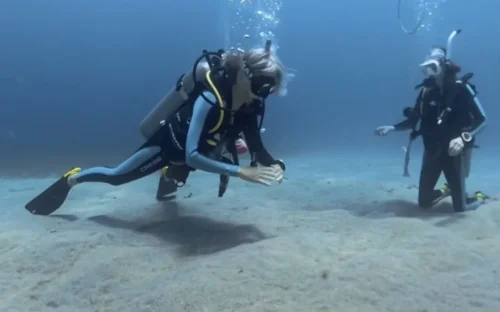
Unlike traditional grant programs that support individual businesses, Window 2 is designed to back coordinated value chain groups: networks of connected small businesses that work together to deliver products and services to regional and global markets. Illustrative examples of qualifying partnerships include a local fisher supplying fresh catch to a regional processor, which in turn provides finished seafood products to coastal restaurants and small boutique hotels; sea moss farmers teaming up with processing facilities and export firms to develop value-added wellness products for international consumers; dive and marine tour operators partnering with land-based tour companies and coastal accommodations to build seamless visitor experiences; and waste collection businesses working with recycling plants and manufacturers to upcycle marine plastic into new consumer goods.
These collaborative models do more than boost individual business profits: they strengthen overall regional competitiveness by streamlining supply chains, reducing operational gaps, and spreading resources and expertise across small businesses that might otherwise struggle to scale independently. In line with the program’s focus on inclusive economic growth, the OECS Commission has placed special emphasis on encouraging applications from women-led value chain groups. Women already hold critical leadership roles across core blue economy sectors including fisheries, marine tourism, and marine waste management, and the grant program is designed to remove barriers that have historically limited their ability to expand operations and build strategic partnerships.
Early outcomes from the program have already demonstrated the far-reaching benefits of investing in blue economy MSMEs. Past grant recipients spanning sustainable marine tourism, innovative circular waste management, fisheries, and aquaculture have shown that targeted resourcing for small collaborative enterprises leads to stronger, more resilient businesses, more vibrant coastal local economies, and more resilient communities equipped to adapt to economic and environmental change. This success confirms that when small business owners are given access to the capital and partnership support they need to grow, they deliver widespread shared benefits across the region.
The OECS Commission advises all eligible groups to avoid last-minute submissions and use the extended deadline to strengthen their proposals ahead of the July 2026 cutoff. Interested groups can apply online via the portal at https://bit.ly/4dh0ZX9, with additional information available through the OECS Commission directly.
The Regional MSME Matching Grants Programme is a core component of the broader UBEC project, which is implemented by the OECS Commission and funded by the World Bank through the PROBLUE multi-donor trust fund. The overarching goal of the initiative is to drive inclusive, sustainable economic development across the Eastern Caribbean by strengthening MSMEs, fostering a culture of innovation and cross-sector collaboration, and building long-term resilience in the region’s critical blue economy.