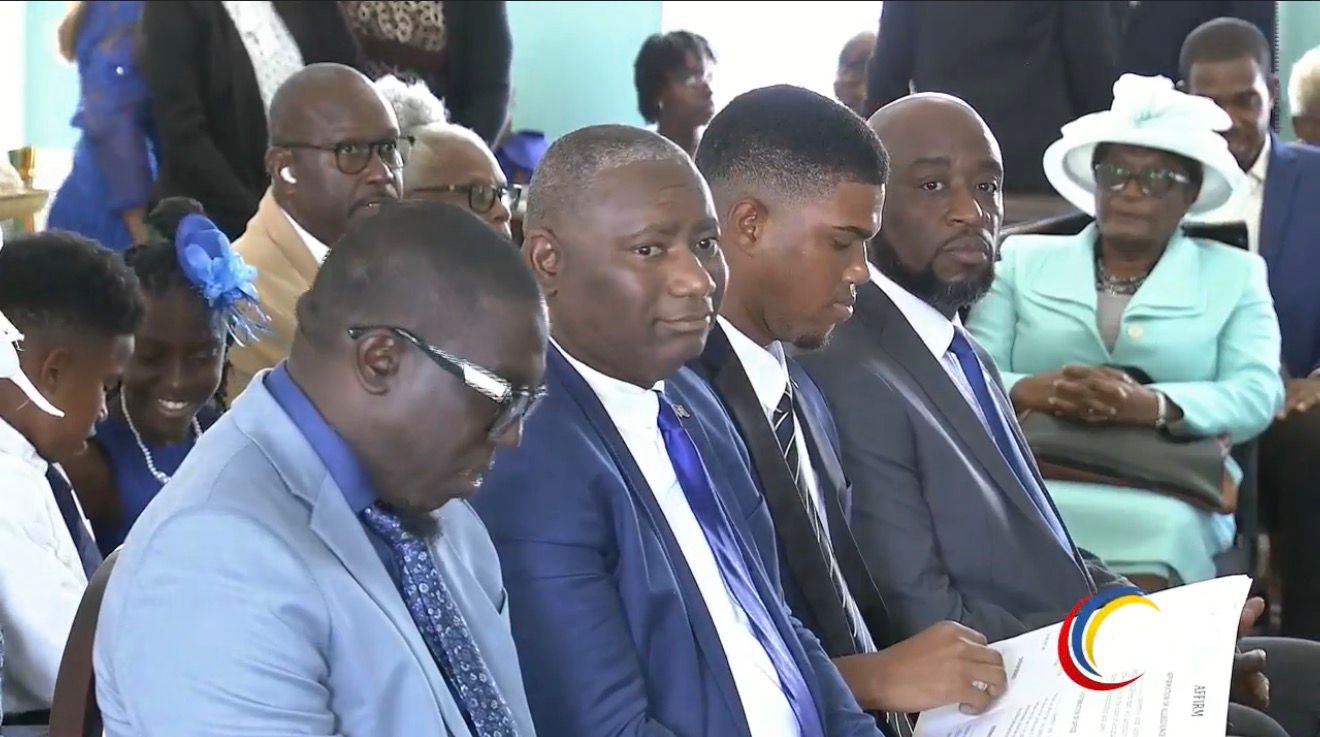
Ahead of a critical special parliamentary sitting scheduled for the week of July 13, Antigua and Barbuda’s main opposition United Progressive Party (UPP) has announced plans to host a nationwide series of public consultations to gather resident input on the government’s recently released White Paper detailing a proposed third-country deportee agreement with the United States.
Jamale Pringle, UPP’s political leader and the party’s only sitting Member of Parliament, emphasized that the community-centered consultations are designed to give ordinary constituents a formal platform to share their perspectives on the high-stakes policy before parliamentary representatives cast their votes or stake out formal positions. While the consultations are confirmed to take place before the July parliamentary debate, the party has not yet released concrete details on meeting dates or locations, with a promise of further announcements in the coming days.
Pringle framed the outreach as a core duty of elected office in a representative democratic system, noting that lawmakers are bound to reflect the will of the voters who put them in power. “We operate within a representative democracy, and representatives should reflect the wishes of the people who elected them,” Pringle stated, arguing that no decision on a matter of national significance should be made without first soliciting public input from affected communities.
Beyond gathering public opinion, the UPP plans to use the upcoming parliamentary debate to flag critical gaps it has identified in the government’s White Paper. The opposition’s top criticism centers on the complete lack of supporting official documentation that would outline the full terms of the proposed arrangement with Washington, with the party stressing that it is deeply concerning that key documents related to the policy proposal have not been made accessible to the general public.
The policy discussion was triggered last week when the Antigua and Barbuda government published the White Paper, which lays out U.S. proposals for the small island nation to accept certain third-country nationals who have been deported from U.S. territory. According to the government’s official document, the White Paper provides full context for the ongoing bilateral discussions, enumerates the core risks and opportunities for Antigua and Barbuda, outlines the government’s official assessment of the proposal, and details the core principles and conditions under which any form of cooperation with the U.S. on this initiative could be considered.
The White Paper explicitly acknowledges that the agreement would raise profound questions across multiple critical policy areas, including national sovereignty, domestic legal responsibility, public expenditure, national security, domestic social stability, and the country’s standing international obligations. It also stresses a hard reality for the small Caribbean nation: as a state with limited institutional, financial, and infrastructural resources, Antigua and Barbuda cannot reasonably take on open-ended commitments related to non-citizens whose deportation is being sought by a foreign government.
Moving forward, both the government and opposition are aligning on the timeline: the White Paper will formally be tabled before parliament during the special session expected the week of July 13, with the UPP expected to bring the feedback collected from its public consultations into the debate.